9 October 2026, 06:22
Loading...
Gas price rise reopens debate over pace of Germany's coal exit

David Vobořil
6 April 2026, 06:23
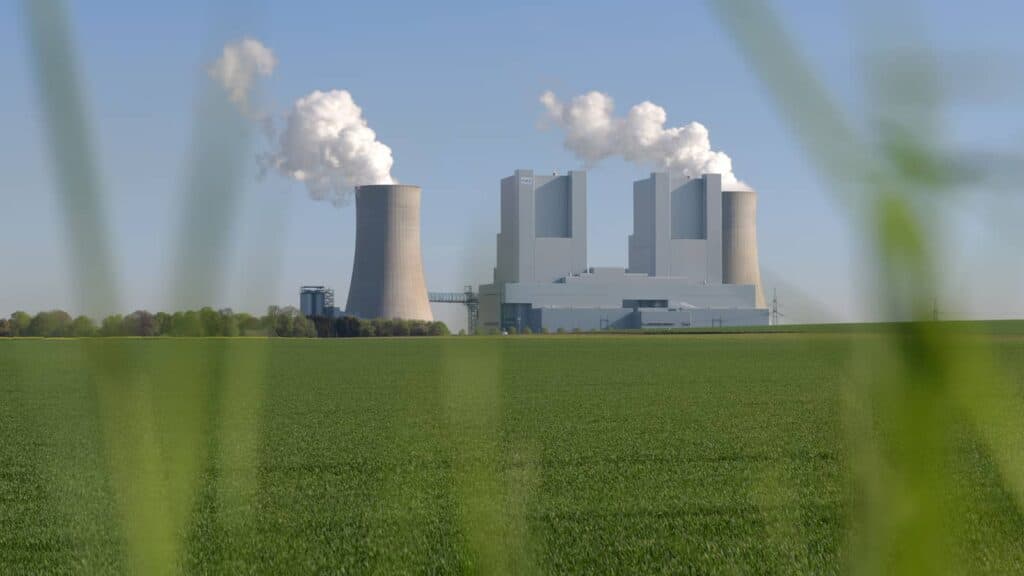
Rising gas prices driven by geopolitical tensions in the Middle East have reignited debate over the timetable for Germany's phase-out of coal-fired power generation. Industry and energy representatives are calling for coal-fired power plants to stay open longer and for some plants held in reserve to be temporarily returned to the market. The government is holding back for now, however, citing legal and economic obstacles.
Rising energy commodity prices, particularly for oil and gas, linked to the conflict involving Iran are increasing pressure to reconsider Germany's strategy for phasing out coal-fired power generation. Industry representatives say that in the current situation the country should make greater use of its domestic generating capacity, especially coal-fired power plants that are currently held only in reserve and cannot be used on the market under normal circumstances.
Steag Iqony chief executive Andreas Reichel said that power plants held in reserve should be temporarily returned to the market to help curb rising electricity prices. In his view, such a move could mitigate the impact of expensive natural gas, which is currently the main driver of electricity price increases in European markets.
The energy-intensive industries association VIK expressed a similar view. Its representatives point out that with gas prices high and stocks relatively low, using gas to generate electricity is becoming less and less economically viable when alternatives are available. They say temporarily bringing coal-fired plants back online could at least partly curb price fluctuations.
Chancellor Friedrich Merz acknowledged that some coal-fired power plants could remain in operation longer than originally planned. He said Germany must urgently start building new gas-fired power plants, but if the energy crisis continues and a power shortage threatens, some coal units may have to remain in operation beyond their scheduled closure dates. Merz also stressed that he does not want to put the country's industrial base at risk because of “unrealistic” coal phase-out plans.
According to the Ministry for Economic Affairs, returning some coal-fired power plants to the market would require a detailed assessment of the economic impact and compliance with European rules.
Contested return of coal-fired power plants
Views on bringing coal-fired power plants back are not unanimous, however. Uniper chief executive Michael Lewis warned that such a move could weaken market signals and undermine investment certainty for new power sources.
Germany currently has around 10 GW of coal-fired power plants in the so-called capacity reserve, which is designed to ensure security of electricity supply. The capacity reserve enables available capacity to be increased if supply on German electricity markets cannot fully meet demand. These plants are not normally used on the market, but can be activated in an emergency.
The government's plan is to replace some coal-fired power plants with new gas-fired units that could burn hydrogen in the future. However, these projects are facing delays, primarily because of postponed auctions and uncertainty over the design of the support mechanism. According to current estimates, the new plants will therefore not be available before the start of the next decade.
Threat to Germany's coal phase-out
Germany's 2020 Coal Phase-out Act sets a deadline for ending coal-fired power generation by 2038 at the latest. In the western part of the country, an earlier deadline, around 2030, had been envisaged. A lack of backup capacity and the slow development of gas-fired power plants are making this plan increasingly unrealistic.
Friedrich Merz is not currently questioning the final 2038 deadline, but acknowledges that the pace of individual plant closures could slow if there is no adequate replacement in the form of new dispatchable power sources.
The German network regulator, Bundesnetzagentur, decides when individual units are finally shut down. If necessary, it can order plants to remain in operation or be transferred to the capacity reserve to ensure security of supply, or to the grid reserve to ensure grid stability.
The future direction of Germany's coal policy should become clearer in the regular monitoring report on progress with the coal phase-out, which the government is due to publish by mid-August 2026. It will assess not only the impact on security of supply but also on electricity price trends.
Translation disclaimer
This article is a machine translation of the Czech original and has not yet been fully reviewed. In case of any doubt, please refer to the Czech version.
Sdílejte článek prostřednictvím:
You might also like
8 October 2026, 10:05