11 October 2026, 08:24
Loading...
Germany approves support for new gas-fired power plants; maximum support increased

David Vobořil
13 July 2026, 14:18
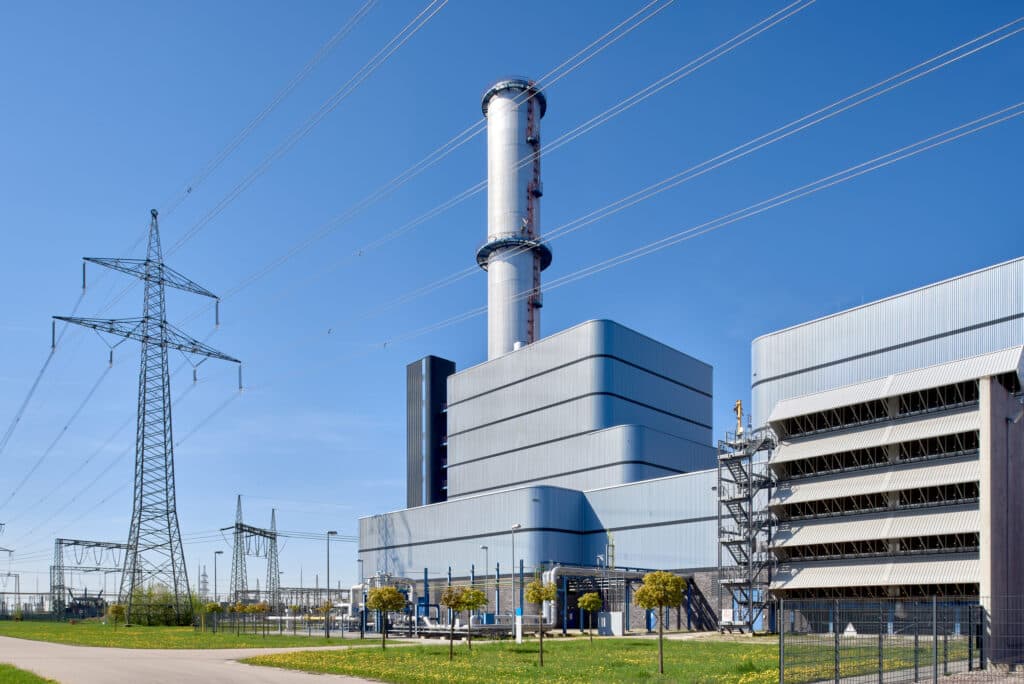
The German Bundestag has approved a law aimed at accelerating the construction of new gas-fired power plants as backup sources to ensure the stability of electricity supplies. The new legislation adjusts the terms of auctions to make them more attractive to investors, including by raising the maximum permitted bid price. The government says the measure is needed to ensure security of supply as coal-fired power plants are phased out, while critics warn of rising costs and a long-term dependence on natural gas.
The German Bundestag, which is effectively the lower house of parliament, has approved an amendment to the law establishing the legal framework for state support for the construction of new gas-fired power plants through auctions. The plants are intended to provide dispatchable capacity during periods of low renewable energy generation. As coal-fired power plants are phased out, Germany needs backup plants to meet demand during periods when wind and solar power plants generate little electricity.
To participate in the auctions, plants must be ready to burn 100% hydrogen in the future and achieve climate neutrality by 2045 at the latest.
The EU agreed in principle in January to state support for these gas-fired power plants. However, the law itself is now subject to approval by the European Commission under state aid rules.
First auction in September, maximum support increased
The first auction is scheduled for 8 September this year, with the next round to take place in December. A total of 11 GW of installed capacity will be put up for auction in the initial phase. Of this, 9 GW will be allocated to plants capable of supplying electricity continuously for extended periods, which are expected to consist primarily of gas-fired power plants.
A further auction for 2 GW of capacity will no longer require long-term capacity delivery, opening the door to battery storage as well. In the coming years, the government plans to continue holding further auction rounds, which will also be open to existing power plants and providers of demand-side flexibility.
At the same time, the amendment responds to rising investment costs. The maximum permitted bid price in the auctions will rise from 173,000 to 244,000 euros per MW of installed capacity, which the government and energy companies say will make projects more economically attractive. According to the German Association of Energy and Water Industries (BDEW), the previous price cap no longer reflected the current costs of building new power plants.
The German government estimates that once all the supported power plants are operational, the program’s total costs will reach approximately 3 billion euros per year in 2031. In the following years, through 2045, annual support is expected to amount to up to 2.3 billion euros. From 2031, funding will come from a special levy, the introduction of which is consistent with European Union rules on state aid.
Backup power plants as a cornerstone of energy sector decarbonisation
Building new gas-fired power plants is one of the pillars of Germany’s transformation of its power sector. The country plans to gradually phase out coal-fired electricity generation while also expecting rapid further growth in wind and solar power generation. Flexible gas-fired plants are intended to bridge periods when renewables do not generate enough electricity, until long-term energy storage or hydrogen technologies become available on a larger scale.
The energy sector largely welcomed the adoption of the law. The Association of Local Utilities (VKU) argued that it lays the groundwork for the urgently needed expansion of dispatchable power plant capacity, which will help secure supplies.
However, the legislation has also drawn criticism. The opposition Greens warn that increased support will lead to further growth in public spending related to electricity generation. Some experts also point out that, alongside new gas-fired power plants, long-term security of supply should be ensured by battery storage, flexible demand management, and further expansion of transmission and distribution networks.
Translation disclaimer
This article is a machine translation of the Czech original and has not yet been fully reviewed. In case of any doubt, please refer to the Czech version.
Sdílejte článek prostřednictvím:
You might also like

10 October 2026, 13:19

10 October 2026, 07:37

10 October 2026, 07:02