
23 October 2026, 14:38
Loading...
Global electricity demand set to keep rising despite uncertain economic outlook
Daniel Grecman
4 August 2025, 12:23
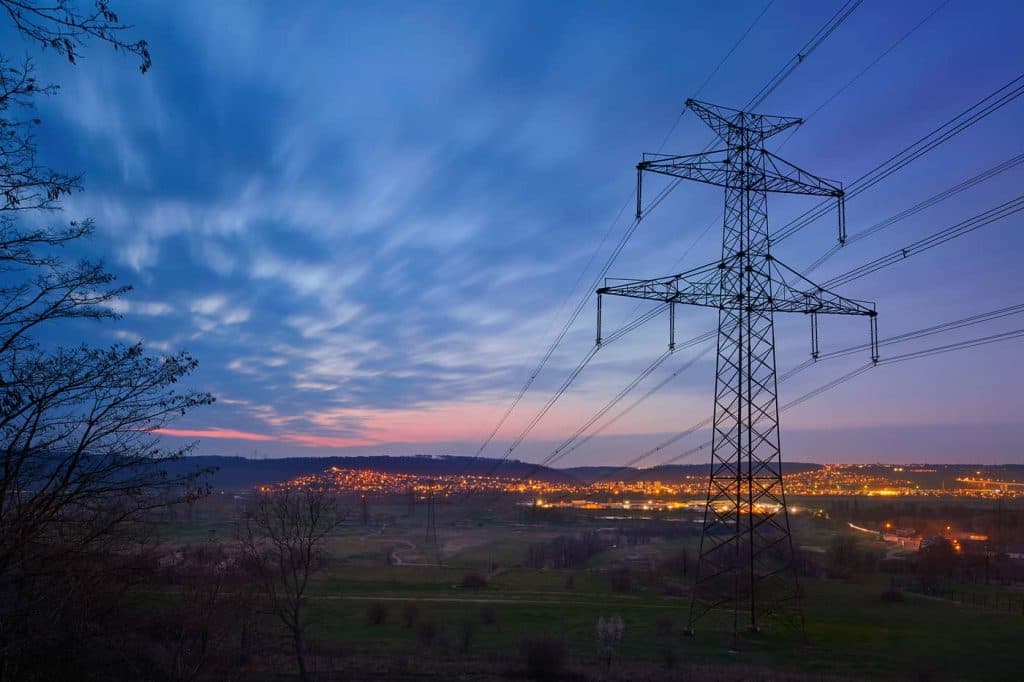
Global electricity demand will continue to grow strongly in the coming years, according to a report by the International Energy Agency (IEA), despite uncertain economic prospects affecting demand. According to the IEA’s new report, demand growth is expected to be met by generation from low-emission sources or gas, while coal’s role in energy mixes will gradually decline.
In 2023, global electricity demand rose by 2.2 %, with growth dampened by an economic slowdown in advanced economies linked to the energy crisis triggered by Russia’s aggression against Ukraine. However, the IEA expects the growth rate to reach 3.3 % this year and 3.7 % in 2026.
As much as 85 % of the increase in electricity consumption is expected to come from emerging economies, with China, India and Southeast Asian countries playing a key role. Together, these regions have accounted for around three quarters of the global increase in consumption over the past decade.
In advanced economies, demand will be driven by industrial electrification, rising demand for air conditioning, and the expansion of data centres and electric mobility.
Transition to cleaner electricity
The projected growth in demand through 2026 is expected to be met mainly by generation from low-emission sources, specifically solar, wind, hydro and nuclear power plants. Global nuclear electricity generation is currently at record levels, thanks to the restart of several reactors in Japan, strong output in the US and France, and new plants mainly in Asia. As a result, the share of electricity generated from low-emission sources should rise from 39 % in 2023 to 50 % in 2026.
“Global electricity demand growth is expected to remain robust through 2026 despite an uncertain economic environment,” said Keisuke Sadamori, IEA Director of Energy Markets and Security.“The strong expansion of renewable energy sources and nuclear power plants is gradually reshaping electricity markets in many regions. However, this development must be accompanied by greater investment in grids, storage and other flexibility resources to ensure that energy systems can reliably and affordably meet growing demand,” Sadamori added.
Electricity generation from gas-fired power plants is expected to continue growing, gradually replacing coal- or oil-fired sources in many regions. Gas-fired power plants are a suitable complement to renewable energy sources, particularly due to their ability to flexibly regulate output. However, as the share of renewables rises, their utilisation declines, reducing the economic return on these investments. This is one reason why the EU is, for example, introducing capacity mechanisms to support their operation.
Although the long-term trend in coal’s share of electricity generation is declining, total coal consumption in absolute terms remains stagnant near record highs also due to its industrial use.
Translation disclaimer
This article is a machine translation of the Czech original and has not yet been fully reviewed. In case of any doubt, please refer to the Czech version.
Sdílejte článek prostřednictvím:
You might also like


23 October 2026, 11:01

23 October 2026, 06:34