
23 October 2026, 14:38
Loading...
Power grids face massive investment, with operators also investing in new technologies

Lukáš Lepič
26 November 2024, 09:26
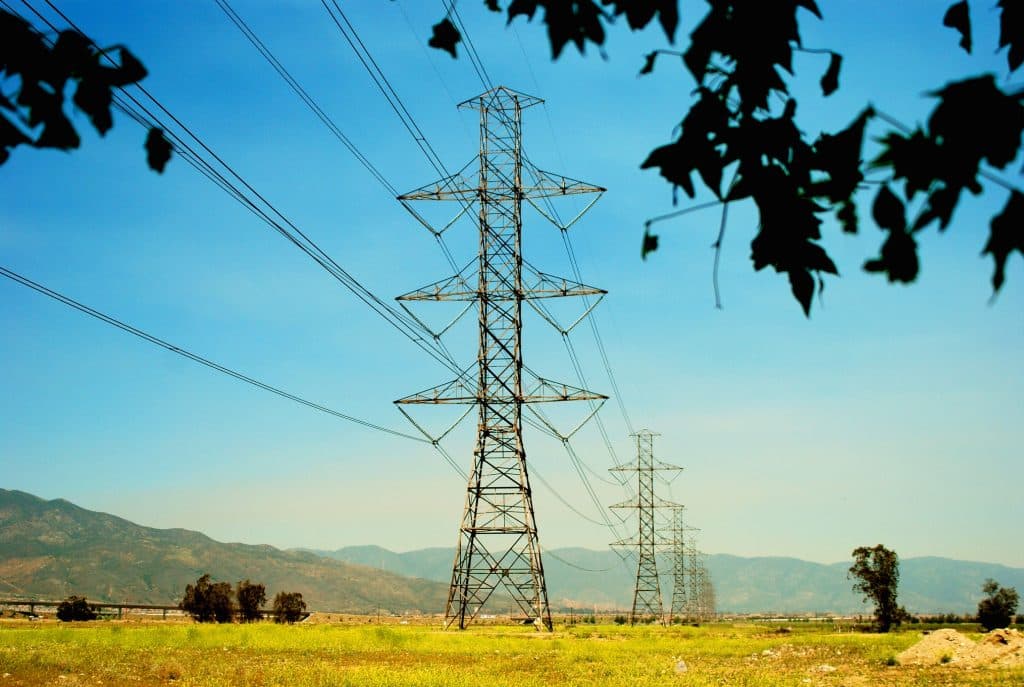
The need to build new power lines and invest billions in distribution and transmission grids is being heard more and more often. These are key investments for the further development of renewable energy sources and electromobility. But building new power lines is expensive and time-consuming. That is why people are constantly looking for ways to modernise existing grids and increase their capacity efficiently. According to a November report by Eurelectric, significant potential lies, for example, in monitoring and control technologies and the use of more resilient conductors.
European energy is undergoing a far-reaching transformation that is placing ever greater demands on the reliability and efficiency of transmission and distribution capacity. Grid operators have therefore embarked on massive investment programmes. According to the European Union, the final figure will exceed 550 billion euros by 2030.
Building new power lines is also a significant cost. The construction process is demanding not only in terms of capital expenditure, but above all in terms of administration and time. Building a line from scratch can take up to 10 years because of lengthy permitting procedures. To optimise costs and capacity, companies are therefore looking for solutions to modernise existing infrastructure and manage it more efficiently.
According to a November report by Eurelectric (the European association representing organisations in the electricity industry), three factors can help address the situation more quickly: widespread implementation of monitoring technologies, the adoption of flexible management, and strengthening grids against extreme weather fluctuations.
“As we strengthen our grids, we must do so in a way that keeps system costs under control. Today, we are launching new tools to help policymakers control costs while increasing investment,”said Eurelectric Secretary General Kristian Ruby
Why is modernisation needed? More frequent disconnections and extreme weather
Looking at data on rising consumption, installed renewable capacity and the number of electric vehicle chargers, it is clear that investment in both construction and modernisation will be increasingly necessary. The impact of a lack of technology and more flexible management can be illustrated by market conditions in recent years. In 2023, ČEPS once again recorded instances when it had to disconnect generation sources from the grid.

Solar power plant. Source: Unsplash
At the same time, extreme weather conditions such as severe storms and heatwaves are becoming more frequent. In 2022, for example, Europe experienced more than 80 major weather-related power grid outages. That was 25% more than in 2021.
The impact of weather can be quite significant. During summer heatwaves, for example, line transmission capacity falls as conductors heat up, the electrical resistance of materials increases, and their ability to dissipate heat declines. Under normal conditions, capacity can fall by 5–15% when the ambient temperature rises by 10 °C above standard levels. In theory, this could lead to situations where solar power plants are running at full capacity on summer days while the amount of available transmission capacity is falling.
Measurement and data-driven management as the basis for efficiency
Monitoring and control technologies that, according to the report, can significantly improve grid utilisation include tap changers and dynamic line rating. Both technologies collect and evaluate data in real time, providing a picture of current loading and capacity. Just as road traffic can be managed more effectively with enough data, grid operations can also be managed better if there is sufficient information on where “traffic” is heavier at a given moment or which parts of the infrastructure are more or less efficient under weather conditions.
Tap changers can be described, in very simple terms, as a “smart thermostat” in an electrical transformer. They continuously check whether the grid voltage is correct and matches current conditions. According to estimates by Siemens, which is deploying this technology on a large scale in Europe, tap changers reduce outages and voltage fluctuations by more than 20%.
The second technology has the same goal: managing the grid using dynamic line rating. Special sensors are installed on power lines, where they monitor external conditions such as temperature, wind and loading in real time. Based on the data collected, the system then calculates how much power the line can safely transmit at that moment, rather than relying on fixed limits for its management.

Sensors on cables. Source: Lindsey-usa.com
Extreme weather fluctuations have a significant impact on how much electricity can be transmitted through power lines. The capacity of a power line, whether overhead or underground, changes according to current weather conditions such as temperature, solar radiation and wind.
For example, on a windy day, when a line is better cooled, the technology and a suitable approach can allow more power to be transmitted than would be possible on a hot, windless day. According to studies, this flexibility can increase line capacity by up to 40% compared with traditional methods. The maximum potential can be achieved by choosing more resilient materials for cables.
Electricity infrastructure at a glance
These technologies are already widely used in Europe, but…
Using these methods and management approaches is not science fiction. The technologies mentioned are already relatively widespread. Tap changers are standard in most modern distribution transformers in Europe, North America and other developed regions. In the United States, for example, more than 60% of major distribution transformers are equipped with this technology.
Dynamic line rating technologies are less common, but their popularity is growing. According to data from ENTSO-E (the European Network of Transmission System Operators for Electricity), more than 1,000 projects have now been implemented in Europe, with deployment growing by 15% a year. They are used particularly when modernising existing grids in densely populated areas or where more power needs to be transmitted without building additional lines.
Given the current situation, both technologies are expected to become more widespread. Besides high costs, however, other obstacles include the need for advanced digitalisation and a greater number of qualified workers. According to a 2023 report by the European Commission, the EU needs more than 100,000 new specialists to manage modern energy grids, underlining the urgent need for training programmes and improved professional skills in the sector.
Translation disclaimer
This article is a machine translation of the Czech original and has not yet been fully reviewed. In case of any doubt, please refer to the Czech version.
Sdílejte článek prostřednictvím:
You might also like


23 October 2026, 11:01


23 October 2026, 06:34