
23 October 2026, 14:38
Loading...
Volkswagen rewrites its electric car production plans

Zuzana Vrbová
28 August 2024, 11:53
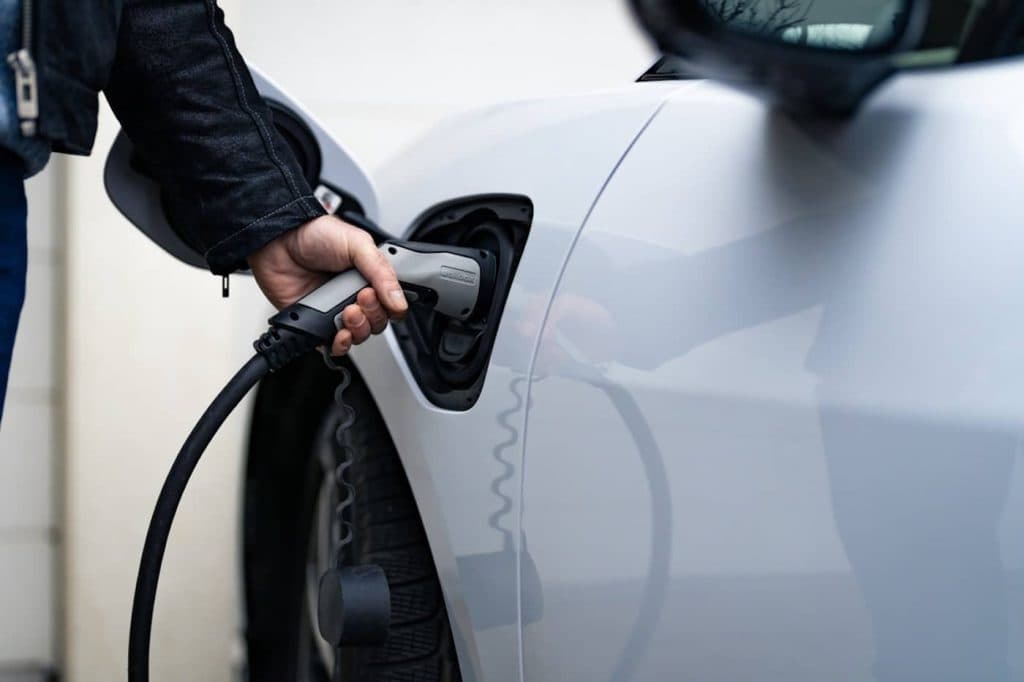
Automaker Volkswagen and other manufacturers in Europe face an “enormous effort” to meet their e-mobility targets. However, demand for vehicles is not as high as expected.
As reported by Clean Energy Wire, Volkswagen is facing problems caused by high costs and falling revenues in the e-mobility sector, CEO Oliver Blume said. The company, Europe’s largest carmaker, now plans to turn to cost-cutting measures to improve its balance sheet.
Some investors, however, lack confidence in their effectiveness, and Volkswagen’s share price has recently been falling. The company said its main VW brand was bearing the brunt of the problems. It cited high one-off costs for converting production lines to electric cars and batteries, as well as compensation payments to employees being laid off. Blume added that Volkswagen would therefore cut its investments in the upcoming planning period.
Interest in electric cars has waned in Germany this year
Demand for battery electric vehicles in Germany fell dramatically in the first half of 2024. According to the German Motor Trade Association (Zentralverband Deutsches Kraftfahrzeuggewerbe), which surveyed 348 car dealers, orders for electric cars from private customers fell by 47% in the first six months compared with the same period last year, while demand for diesel and petrol vehicles rose by 24%. Industry representatives called for new market incentives and improvements to charging infrastructure to support e-mobility.
The decline in demand is also affecting supply chains. For example, German automotive supplier ZF Friedrichshafen plans to cut up to 14,000 of its 54,000 jobs in Germany by the end of 2028. As with Volkswagen, the decision is a result of financial difficulties, as the company struggles with falling revenues. The company said that reduced orders from carmakers and a lack of interest in battery electric vehicles were weighing on its financial results.
Insufficient government incentives run counter to the federal government’s goal for electric vehicles. The government has set itself the goal of supporting the industry so that 15 million electric vehicles will be on the roads by 2030. That target is increasingly out of reach and, according to a recent analysis by the Agora Verkehrswende think tank, can be achieved only by stepping up cooperation with Chinese automakers. That, however, is itself facing problems.
Translation disclaimer
This article is a machine translation of the Czech original and has not yet been fully reviewed. In case of any doubt, please refer to the Czech version.
Sdílejte článek prostřednictvím:
You might also like


23 October 2026, 11:01


23 October 2026, 06:34