The energy trap in Czech rental housing: landlords don't take risks, renters pay
More than a third of households in developed economies rent their homes. And this group of people is systematically excluded from the benefits of modern energy technologies—heat pumps, photovoltaics and quality insulation. A new study by the IEEFA (Institute for Energy Economics and Financial Analysis) for Australia provides a comprehensive analysis of this problem and shows that solutions exist, but they require regulation, not just goodwill.
At the heart of the problem is what is known as the split incentive. The landlord must bear the cost of renovating the property, while the benefit in the form of lower energy bills goes entirely to the tenant. The landlord therefore has no direct financial reason to invest in modernisation—and in practice, that is exactly what happens. The study shows that even offering free renovations failed to persuade landlords to act. This confirms that the problem is a systemic market failure, not irrational behaviour by individuals, making a systemic solution an appropriate response.
What modernisation and renovations can deliver
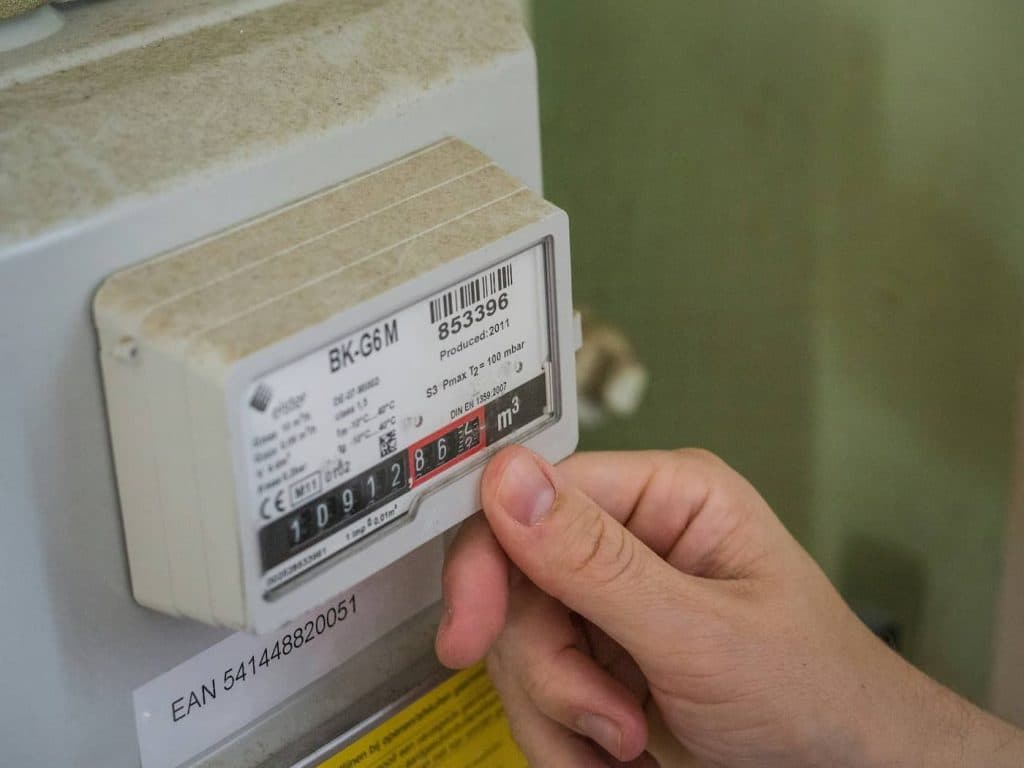
The analysis modelled the impact of combining four measures: thermal insulation, efficient electric appliances, rooftop photovoltaics and battery storage. The results are compelling: energy bills can be reduced by 50 % or more for the vast majority of rental properties. In total, such a programme would deliver cumulative savings of AUD 107 billion by 2050, with a net present value of more than AUD 24 billion.
A key finding of the analysis is that the tenant's overall financial balance remains positive from day one, even if the landlord passes the full cost of modernisation on to them. The condition is that the investment costs are spread over the instalments of a long-term loan (for example, with a 15-year term). The monthly savings on energy bills are so substantial that they reliably exceed the increase in rent represented by the loan instalment. As a result, the tenant saves money from the outset.
Incentives alone are not enough: the way forward through taxes and standards
The study shows that voluntary incentive programmes fail. Various government subsidy programmes have repeatedly fallen short of their planned numbers of energy renovations because they address the effects of the problem, not its cause. Binding minimum energy-efficiency standards for rental properties are a truly effective tool.
The study's conclusions and recommendations therefore stress the need to combine regulation with smart economic instruments. The state should first introduce a rule requiring the replacement of appliances at the end of their useful life. Once an old, inefficient appliance reaches the end of its life, landlords should be legally required to provide a more energy-efficient replacement. This would prevent energy costs from remaining high over the long term. The authors also propose accelerated tax depreciation for energy investments and linking tax relief for property owners to a requirement that their properties demonstrate compliance with minimum energy standards.
The Czech context
The situation in the Czech Republic shows similar features. The share of rental housing is around 22 %, while the rental housing stock is among the least energy-efficient. While government programmes such as New Green Savings are aimed primarily at property owners, tenants remain on the sidelines.
Czech legislation does not yet set any minimum energy standards for rental apartments, and there is practically no debate about introducing them. Yet this group of households is the most affected by energy poverty and the least able to arrange modernisation themselves.
The findings of the IEEFA study are therefore applicable far beyond the area originally examined—Australia. Without binding regulation, accelerated depreciation and systemic pressure to replace inefficient technologies, modernising the rental housing stock will remain a pipe dream, and tenants will continue to bear the cost of inefficiency they cannot change themselves.
Translation disclaimer
This article is a machine translation of the Czech original and has not yet been fully reviewed. In case of any doubt, please refer to the Czech version.