25 October 2026, 08:20
Loading...
Top 10 Czech energy stories from last week
oEnergetice.cz
24 November 2024, 21:46
This week, we once again bring you a carefully selected list of the ten most important articles published on oEnergetice.cz. If you missed any of them, here is a selection of the articles that caught our readers’ attention the most. Good luck in the week ahead!
1. In-depth overview: Which supplier is offering the cheapest electricity?

Electricity suppliers have been competing in recent weeks to offer the most attractive prices. But which one is actually the cheapest, and is now the right time to lock in your electricity price for a longer period? Wholesale electricity prices are rising again, primarily due to uncertainty over natural gas supplies to Europe. Below, we provide a comprehensive overview of current market offers from the biggest suppliers, covering contracts without a fixed price, as well as one-, two- and three-year fixed-price contracts.
There has been increasing discussion lately about electricity prices for households, particularly because the largest suppliers have been cutting prices frequently. In recent weeks, announcements of lower prices from one supplier or another have practically become the norm.
Read the full article HERE.
2. Other member states buy Russian gas originally intended for Austria
Russian gas originally intended for Austria will ultimately be taken by other European countries. Following the recent suspension of Russian gas flows to OMV, neighbouring countries are reselling the same volume of natural gas, the Reuters news agency reported. The interruption followed OMV’s successful arbitration case, with the award set off against the company’s claims for payments owed to Gazprom for gas. Other European gas traders, probably from Slovakia and Hungary, were quick to seize the opportunity.
Before the war in Ukraine, Russia was one of Europe’s largest gas suppliers. It has lost most of its customers on the continent as the EU seeks to reduce its dependence on energy commodities supplied by Russia.
Read the full article HERE.
3. How often are there no wind or sunshine in Czechia?
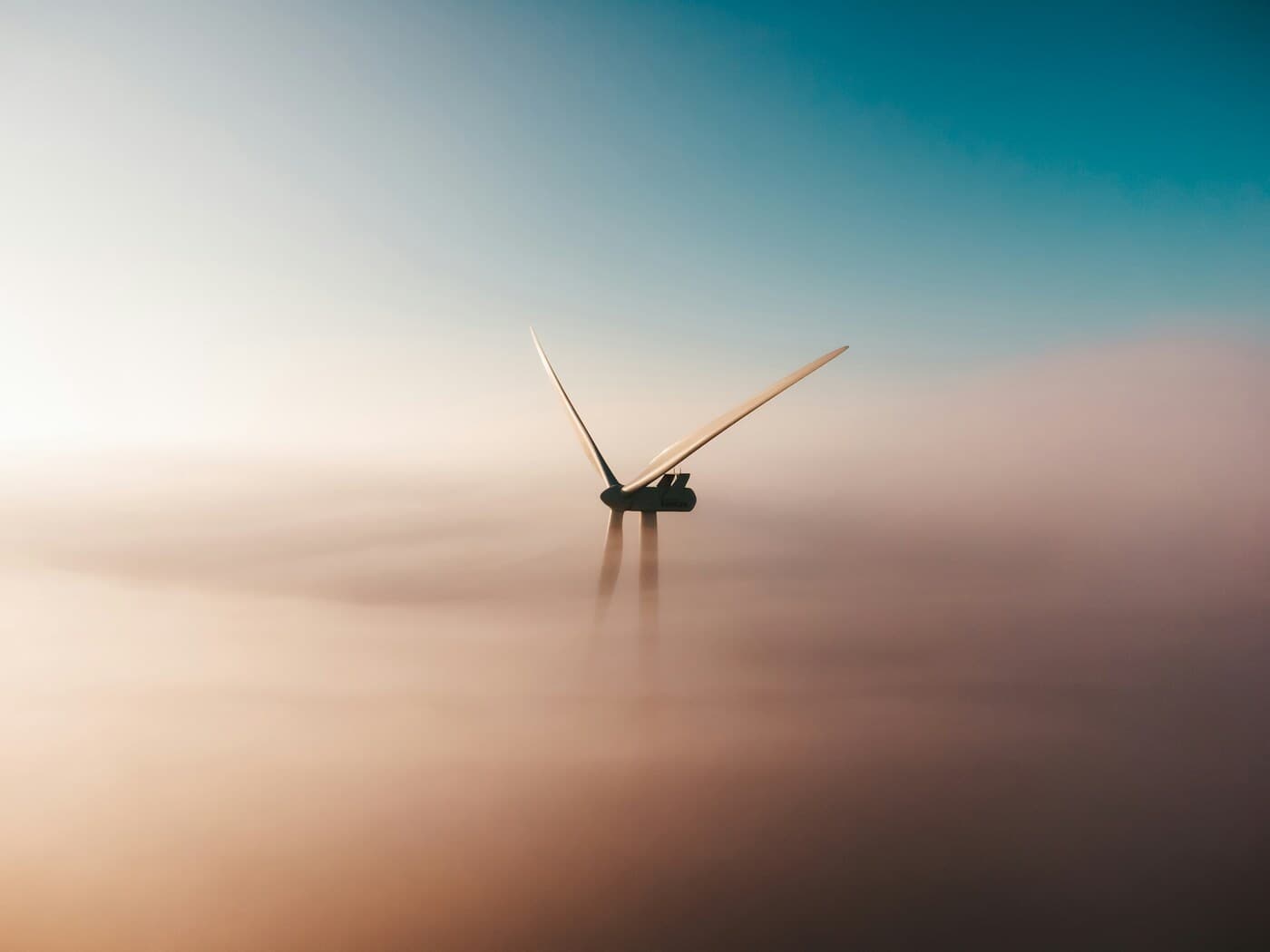
Europe, including Germany, experienced a so-called Dunkelflaute in early November, when renewable energy generation fell sharply. This highlighted the need for dispatchable sources, such as coal- or gas-fired power plants, to stabilise the grid. Such prolonged periods are rare in Czechia, but climate change or technological progress could affect how often they occur and their impact.
Germany and other parts of Europe experienced a so-called Dunkelflaute in early November—a period of reduced output from solar and wind power plants due to unfavourable weather. From 4 November to 16 November, German wind farms generated an average of just 6.7% of their maximum installed capacity, while solar power plants generated only 2.2%. During such periods, other sources—often fossil-fuelled—are called upon to compensate for the drop in renewable generation. However, decarbonising the power sector while maintaining grid stability will require finding alternative sources to replace fossil-fuelled power plants in this role.
This phenomenon is often cited as a reason for public scepticism about deploying renewable energy sources. But how often do periods with little wind and sunshine occur in Czechia, and how long do they last?
Read the full article HERE.
4. State to support 37 modernised CHP plants, with EPH and ČEZ among the recipients
The state will support the operation of 37 modernised combined heat and power plants. The largest include, for example, district heating plants owned by Daniel Křetínský’s EPH group in Opatovice and Komořany, a gas-fired power plant owned by the partly state-owned ČEZ in Mělník, and a new plant at Veolia Energie’s Ostrava-Třebovice heating plant. This is according to a report by the Ministry of Industry and Trade (MPO), highlighted today by Ekonomický deník. This was the first funding round, with further rounds expected next year. The money will go primarily towards modernising Czech district heating plants.
The MPO launched its first auctions for operating support for generation from new or modernised combined heat and power (CHP) plants in early July this year. The programme aims to support power generation facilities with a total installed capacity of 3090 megawatts (MW). According to the ministry, the new plants should help replace coal-fired sources.
Read the full article HERE.
5. Gas prices rise after Gazprom halts supplies to Austria
Austrian company OMV suspended payments to Russia’s Gazprom after an arbitration court awarded it compensation of 230 million EUR. In response, Gazprom announced that it would stop supplying natural gas to Austria from 6:00 CET on Saturday. The news caused a stir in the markets, with the gas price at the TTF trading hub reaching its highest level this year, Montel News reports.
Austrian company OMV announced on Thursday, 14 November, that it had won an arbitration case against Gazprom. The proceedings began in January 2023 and concluded with a ruling dated 13 November 2024 under ICC rules. The arbitration court awarded OMV 230 million EUR in compensation for irregular gas supplies and the complete halt to supplies to Germany in August 2022.
Read the full article HERE.
6. Slovakia plans to tender for a new nuclear power plant next year

Bratislava, 20 November (ČTK) – Slovakia plans to launch a tender for a technology supplier for a planned nuclear power plant in the middle of next year. It estimates the construction cost at ten billion euros (253 billion Kč). Economy Minister Denisa Saková told reporters this after today’s cabinet meeting. The government approved a document on the steps to prepare a new nuclear power plant with a capacity of around 1200 megawatts. Under a separate government decision and an agreement with the country’s largest electricity producer, Slovenské elektrárne (SE), electricity prices for households in Slovakia will not rise next year.
The government plans to sign a contract with the winner of the tender for the new nuclear power plant at Jaslovské Bohunice, where SE already operates its own nuclear plant, in spring 2027. Construction is due to begin five years later, with the state-owned plant scheduled to enter operation in 2038.
Read the full article HERE.
7. vPPAs will enable us to supply 460 GWh of green electricity a year. We have a problem in Czechia, says Rezolv Energy’s Matej Krušpán
Power purchase agreements (PPAs) for the direct sale of electricity from renewable sources are still a relatively new phenomenon in the Czech Republic. In other European countries, however, they are a common way to secure financing for the construction of renewable power plants.
One example is Czech company Rezolv Energy. It is primarily active in Central and Eastern Europe, where it is currently building projects with hundreds of MW of installed capacity, including both wind farms and solar plants. In the Czech Republic, however, the PPA market is only just getting started, partly because renewable energy accounts for just under 15% of the Czech energy mix—the lowest share in the EU. “Available renewable capacity is essential for a healthy PPA market, so it is crucial that rapid progress is made in this area,” says Matej Krušpán, Chief Commercial Officer at Rezolv Energy.
Read the full article HERE.
8. Framatome successfully validates accident-tolerant nuclear fuel
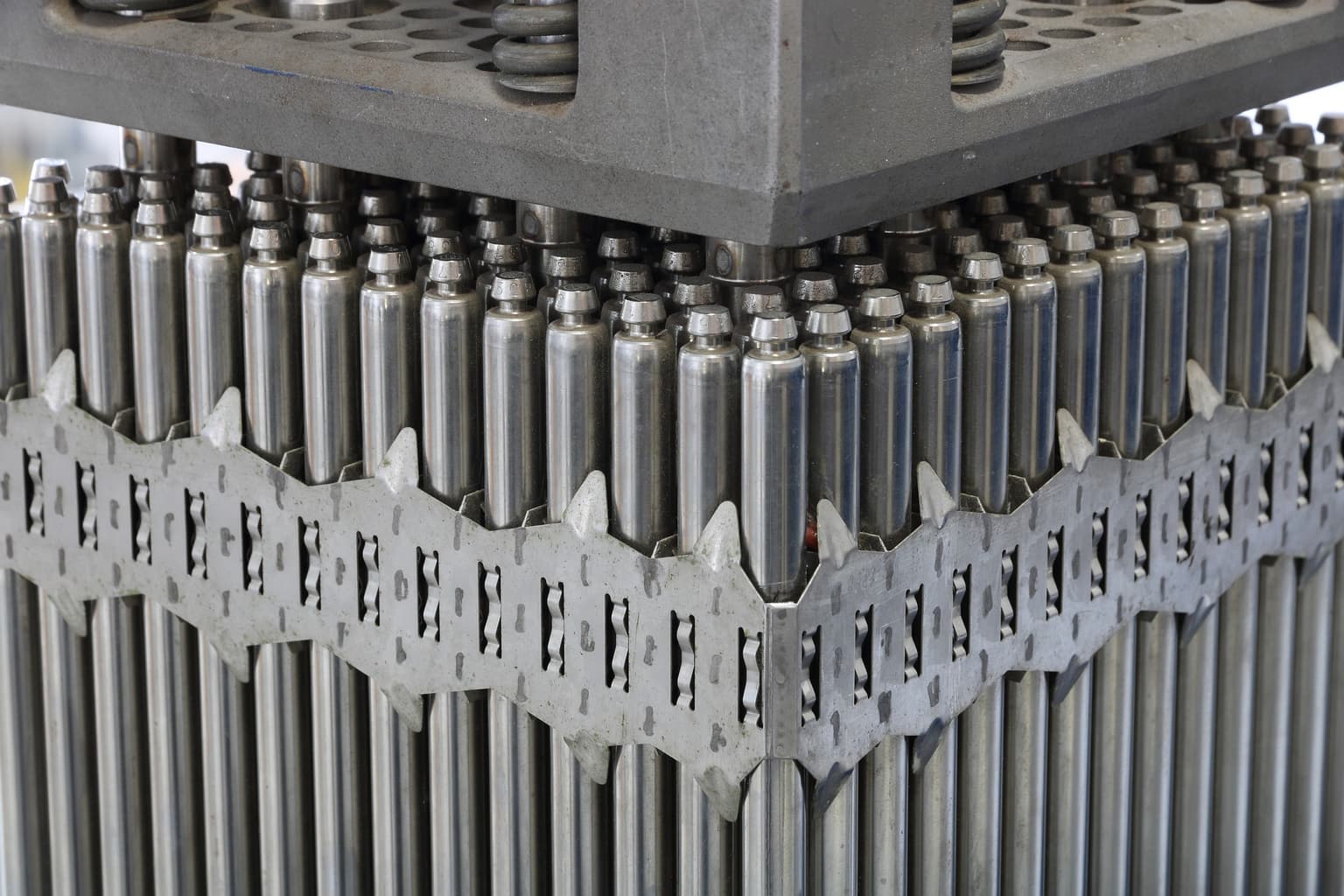
Fuel assemblies using Framatome’s PROtect Enhanced Accident Tolerant Fuel (E-ATF) technology have successfully completed four 12-month fuel cycles at Switzerland’s Gösgen nuclear power plant. This accident-tolerant fuel is the first of its kind in the world to achieve successful operation with full-length fuel rods at a burnup of 60 GWd/tU.
E-ATF technology features chromium-coated M5Framatome fuel rods. The chromium layer on the cladding significantly improves oxidation resistance, enhances mechanical properties at high temperatures and minimises hydrogen production in the event of a loss of cooling. These improvements represent a major advance in the safety and resilience of fuel assemblies during accident conditions.
Read the full article HERE.
9. Fresh fuel will allow Temelín’s second unit to generate power longer without an outage
The second unit at the Temelín nuclear power plant will be able to generate electricity for two months longer without an outage. This will be made possible by the additional fresh fuel loaded into the unit by technicians. The operating cycle will be extended to 16 months, followed by a planned two-month outage. Marek Sviták, spokesperson for the Temelín plant, informed ČTK.
“The extension of the operating cycle was preceded by a careful verification of all safety parameters and the preservation of all safety margins. The transition itself was also carried out with the utmost emphasis on safety,” said Jan Kruml, director of the Temelín plant.
Read the full article HERE.
10. Study: Developing and modernising electricity grids will require massive investment
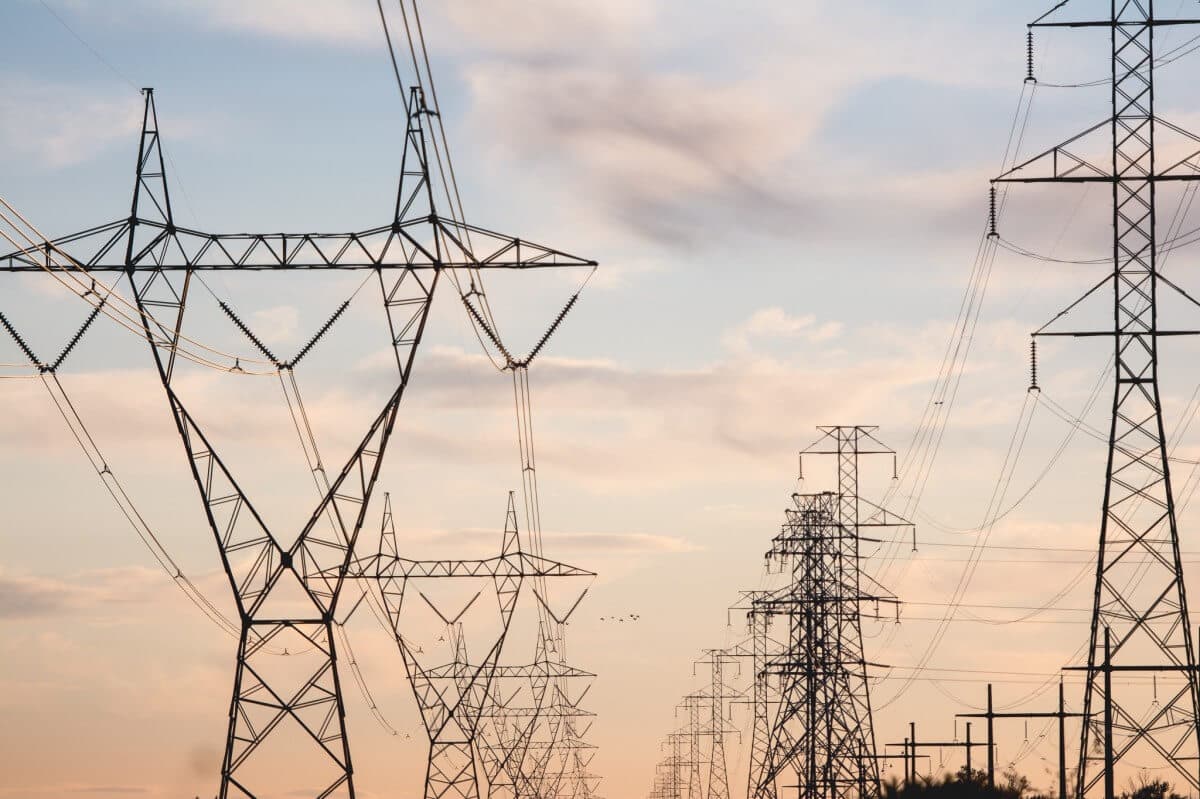
As the shift to renewable energy continues and ambitious plans are pursued to electrify transport, industry and other sectors, electricity demand is expected to rise significantly in the future. As consumption and therefore generation grow, and the nature of generation changes, so too will the need to transport greater volumes of electricity through the grids—that is, through transmission and distribution networks. Bloomberg New Energy Finance expects global investment in grids to rise to hundreds of billions of dollars a year by the end of the decade.
Robust transmission and distribution networks form the backbone of every reliable power system. But maintaining, modernising and further developing them does not come cheap.
Read the full article HERE.
Energostat: electricity generation in the Czech Republic
Data in this chart is also available in 15-minute resolution60min15min
Energostat: electricity generation in Germany
Data in this chart is also available in 15-minute resolution60min15min
Find more up-to-date charts and data on Energostat
Translation disclaimer
This article is a machine translation of the Czech original and has not yet been fully reviewed. In case of any doubt, please refer to the Czech version.
Sdílejte článek prostřednictvím:
Topics:Energy Weekly
You might also like


23 October 2026, 14:38