Top 10 energy stories from the past week
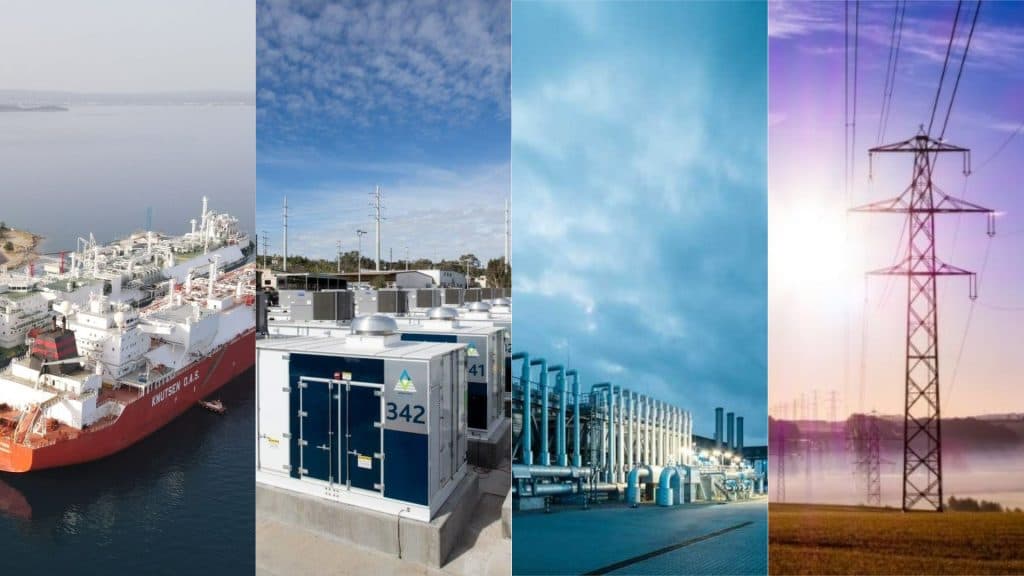
This week, we once again bring you a carefully selected list of the ten most important articles we published on oEnergetice.cz. If you missed any of them, here is a selection of the articles that attracted the most interest from our readers. Good luck in the week ahead!
1. German automakers call for ban on sales of new combustion-engine cars to be scrapped

Germany’s leading automotive association, VDA, is calling for the ban on sales of new combustion-engine cars from 2035 to be scrapped. The Social Democrats, who govern in coalition with Chancellor Friedrich Merz’s conservatives, rejected VDA’s proposal, saying it would reduce certainty for investment planning in the sector. Clean Energy Wire reported.
In an unpublished draft of a ten-point plan for achieving climate-neutral mobility, seen by the Table Media and Politico news outlets, the German automotive association VDA reportedly called for the requirement to cut emissions from newly sold cars to be eased from the original 100% by 2035 to 90%.
Read the full article HERE.
2. Costs of stabilizing the Spanish grid after blackout surge

The recent blackout that crippled the power systems in Spain and Portugal had an immediate impact on the operation of the Spanish grid. The Spanish transmission system operator has started curtailing solar power generation more often in favour of gas-fired plants. This also entails additional costs, which are several times higher than in previous years. The investigation into the causes of the blackout is ongoing, but is likely to take several months.
In recent weeks, Spanish transmission system operator REE has increased the volume of redispatching. In this case, REE curtails output from solar power plants that sell their electricity on the day-ahead market. By contrast, gas-fired plants are contributing more to generation, giving them greater scope to regulate their output. According to S&P Global, heightened concerns about the stability of the grid are likely to be the reason.
Read the full article HERE.
3. The ENERGY case in Ústí nad Labem: A harbinger of wider problems for district heating?

In recent weeks, Czech media have been reporting on the difficult situation facing ENERGY Ústí nad Labem, which operates a district heating plant on the left bank of the Elbe and supplies the Střekov district. The company’s operations are not the only focus of attention; in particular, it owes the state hundreds of millions of crowns for emissions allowances. The case could serve as a warning for the entire Czech district heating sector, which is facing growing economic pressure amid the energy transition.
ENERGY previously came under the influence of a business circle linked to entrepreneur Tomáš Pitr, and as early as 2023 the state took its first steps to secure its assets. According to available data, the company currently owes more than 270 million crowns for emissions allowances.
Read the full article HERE.
4. Six months of electricity sharing in Czechia: Developments, statistics and future directions

Electricity sharing among households, businesses and municipalities in Czechia has got off to a surprisingly fast start since the launch of the central EDC system in August 2024. In six months, nearly 23,000 participants joined the scheme, sharing more than 10 GWh of electricity. Although most are small groups, interest is also growing among municipalities and apartment buildings. Major suppliers such as E.ON are responding, too. What has the first six months of operation shown, and where is community energy in Czechia headed?
Until recently, electricity generated by one entity (for example, a household with a solar power plant) could not easily be shared with another consumer unless both were connected to the same consumption point or site. Historically, only consumers connected behind the same point of connection could use electricity together—typically within a single building or site with a shared connection. In other words, without the relevant legislation, sharing was limited to cases where the electricity producer and consumer were technically connected “behind one meter”.
Read the full article HERE.
5. Main buildings of ČEZ’s CZK 2 billion new heat plant taking shape in Dětmarovice

The main structures are taking shape in Dětmarovice in the Karviná region, where ČEZ is building a low-emission heat plant for CZK 2 billion: a biomass boiler house, two cogeneration units, and a backup and peak-load gas boiler house. Full heat deliveries from the new sources are scheduled to begin in the 2026–2027 heating season. In the next heating season, supplies will be provided by the new gas boiler house and older gas boilers. Coal-fired electricity generation at the plant has now definitively ended. Representatives of the ČEZ Group told journalists today.
“The shell construction work is complete. Installation of the biomass boiler’s steel structures is being finished. Work is also nearing completion on the prefabricated hall, the gas engine boiler house and the fuel storage area,” said Radim Seidler, technical and investment director of ČEZ Teplárenská.
The 8-megawatt biomass boiler house and two cogeneration units with a combined capacity of 22 megawatts will be the main sources at the new heat plant. The main long-term heat customers will remain the towns of Orlová and Bohumín, with which ČEZ has already signed long-term supply contracts running at least until 2040. The customers number around 15,000 households.
Read the full article HERE.
6. ČEZ scales back its renewable energy plans; similar trend expected across the Czech market
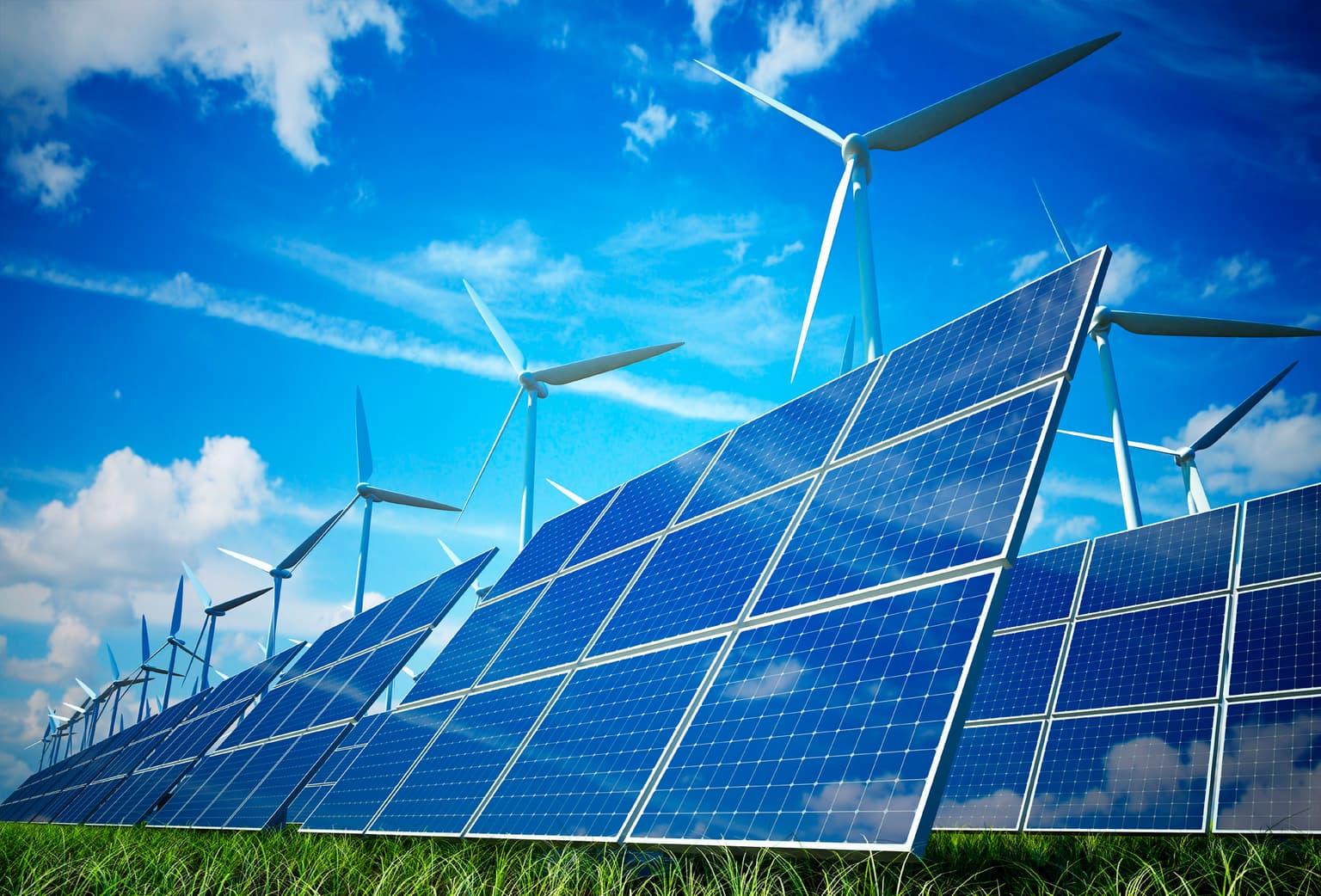
A look at ČEZ’s investor presentations from this year shows that the Czech energy giant is lowering its ambitions for renewable energy development by 2030. And this is more than a cosmetic change. Why? Czech legislative and regulatory conditions are not conducive to development. Could the money allocated from the Modernisation Fund for renewable energy development therefore go to waste?
In 2021, ČEZ presented its vision for investors through 2030, and the company continued to stand by its key targets as recently as November 2024. The plan was to increase installed solar and wind capacity by a total of 6 GW by 2030 compared with 2020. Given the length of permitting processes for wind farms, it was—and still is—reasonable to expect that most of the new capacity would come from solar. The baseline installed renewable capacity in 2020 was 2.2 GW (including 2 GW of hydropower).
Read the full article HERE.
7. US Palisades nuclear plant receives another approval for restart
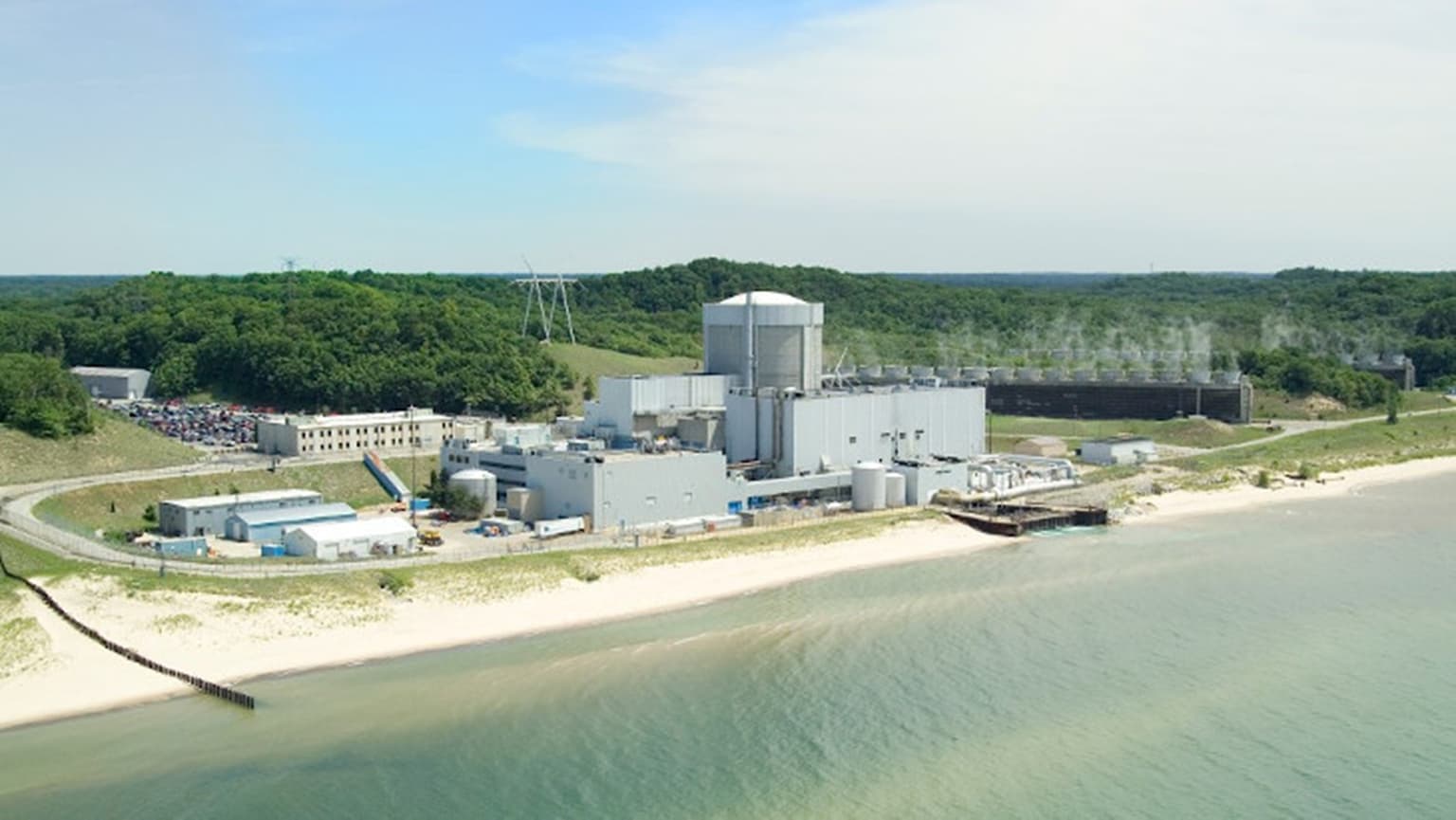
The shut-down US Palisades nuclear power plant has moved another step closer to restarting. It has received a favourable assessment from the US regulator regarding its impact on the surrounding area. The 800 MW unit, which its operator shut down in 2022, is expected to resume generation at the end of this year. The owner plans to build two more small modular reactors at the site.
The US Nuclear Regulatory Commission (NRC) has issued an important assessment for the restart project at the single-unit Palisades nuclear power plant in Michigan. Its review of the plant’s effects on its surroundings and the environment found that restarting it would have no significant adverse impact.
Read the full article HERE.
8. Russia extends the operating life of the Smolensk 2 RBMK-1000 reactor

Unit 2 at Russia’s Smolensk nuclear power plant has been granted a licence for another 5 years of operation. The RBMK-1000 unit, which began operating in 1985 with a planned lifetime of 30 years, will thus reach 45 years in service. The country does not expect to extend its life further and is building VVER reactors to replace the ageing Soviet-designed units.
Russia’s Federal Service for Environmental, Technological and Nuclear Supervision (Rostechnadzor) extended the operating licence of unit 2 at the Smolensk nuclear power plant by another 5 years. The RBMK-1000 unit, with an installed capacity of 925MWe (net), will exceed its original planned 30-year lifetime by 15 years.
Read the full article HERE.
9. EU member states press Brussels: Simplify the rules for gas imports
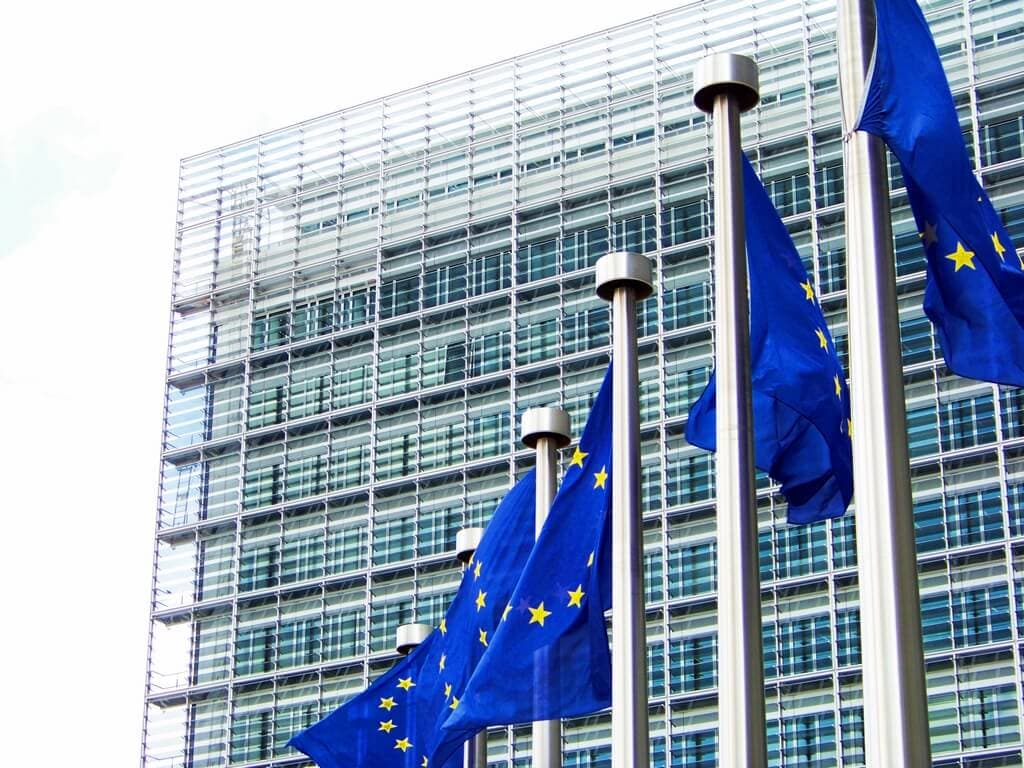
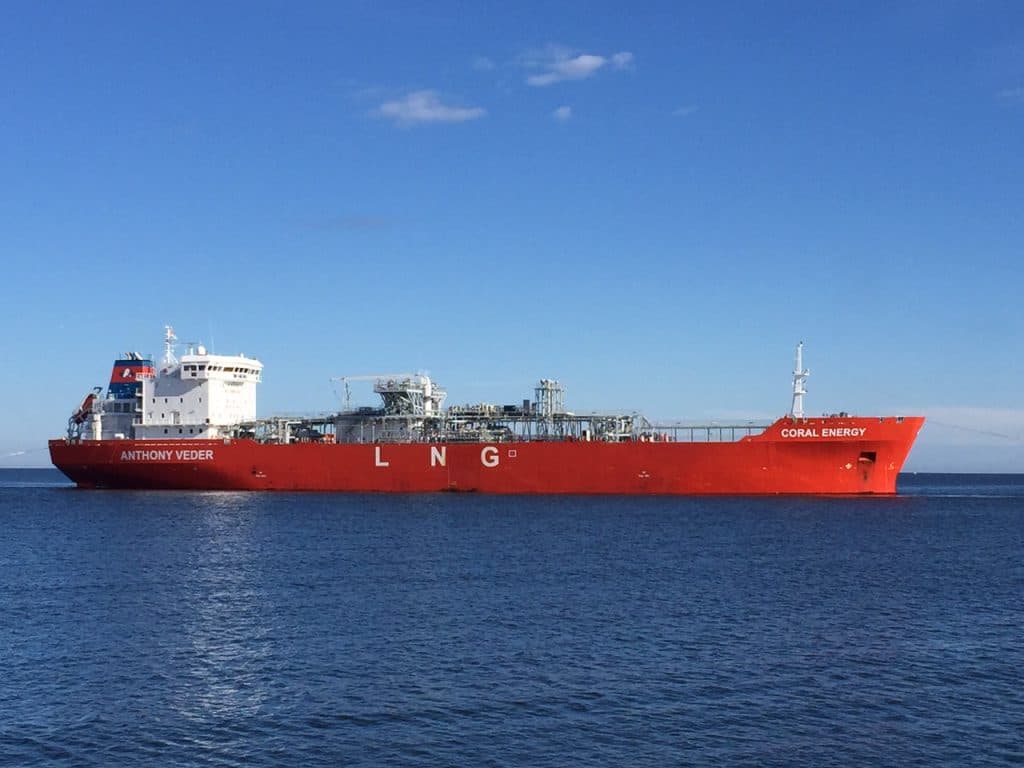
Reuters has seen an unpublished document stating that European Union countries plan to press Brussels to simplify the EU’s methane emissions regulation. The regulation has raised concerns among European companies that imports of liquefied natural gas from the US could be suspended.
Since this year, the EU has required oil and natural gas importers to monitor and report methane emissions associated with imports as well. The aim is to identify leaks caused by transporting these energy commodities through existing infrastructure.
The outcome of Monday’s meeting of EU energy ministers was that governments are preparing to ask the European Commission to include the methane emissions regulation in its “simplification” drive, which aims to reduce bureaucracy for businesses.
Read the full article HERE.
10. UK selects Rolls-Royce SMR as supplier of small modular reactors
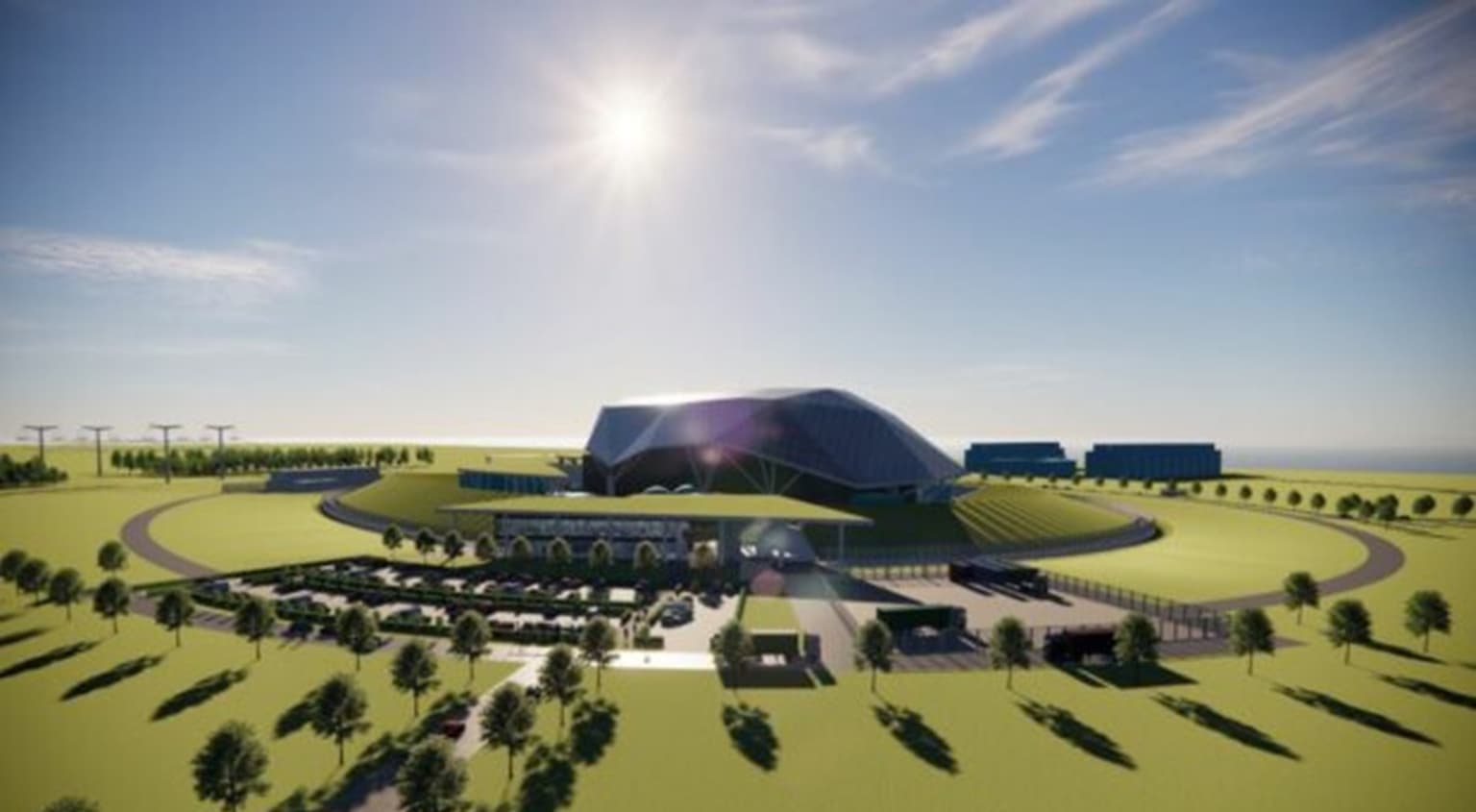
The UK has selected British company Rolls-Royce SMR as the supplier of small modular reactors, whose construction it plans to invest 2.5 billion pounds (roughly CZK 73 billion) in over the next four years. The British government announced the decision today. Czech company ČEZ is working with Rolls-Royce SMR on the development of the modular reactors. It became a shareholder in the British company this year and is expected to gradually acquire a stake of around one fifth.
ČEZ plans to build modular reactors with a combined capacity of three gigawatts in the Czech Republic by 2050 in cooperation with Rolls-Royce SMR. Representatives of the two companies signed a strategic cooperation agreement last October.
Read the full article HERE.
Energostat: electricity generation in the Czech Republic
Energostat: electricity generation in Germany
More up-to-date charts and data are available on Energostat
Translation disclaimer
This article is a machine translation of the Czech original and has not yet been fully reviewed. In case of any doubt, please refer to the Czech version.