10 October 2026, 07:37
Loading...
Top 10 energy stories from the past week
oEnergetice.cz
4 January 2026, 21:49
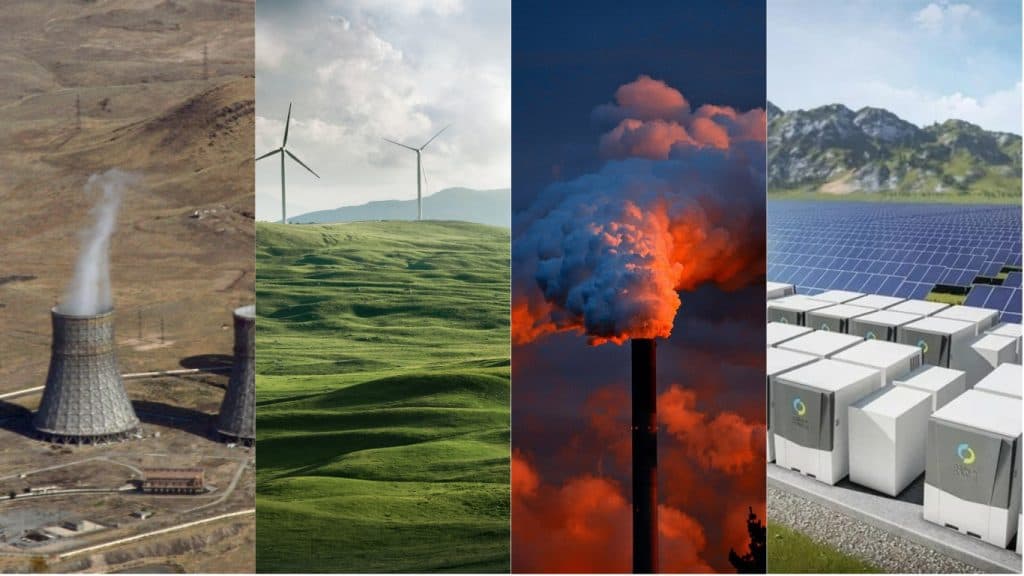
This week, we once again bring you a carefully selected list of the ten most important articles we published on oEnergetice.cz. If you missed any of them, here is a selection of the articles that attracted the most reader interest. Best of luck in the new week!
1. Ukraine launches monthly auctions with the EU for electricity transmission: first tenders reveal huge market interest
Ukraine took another significant step towards integrating with the European electricity market in December 2025. Monthly auctions for cross-border transmission capacity were launched on its borders with Slovakia, Hungary and Romania. The first auctions, for deliveries in January 2026, have already shown enormous interest in importing electricity from the European Union, with demand several times higher than supply, Montel News reports.
The launch of monthly auctions on 15 December 2025 is the result of several years of cooperation between transmission system operators in Ukraine, Slovakia, Hungary and Romania, the European association ENTSO-E and the Joint Allocation Office (JAO). In 2024 and 2025, the long-term auction rules for the EU’s external borders were updated, and their approval by national regulators made it possible to launch this new type of auction. Poland, however, has not joined the monthly auction system. Polish transmission system operator PSE did not obtain the necessary approval from its national regulator.
The full article is available HERE.
2. EU launches carbon border tariff on 1 January
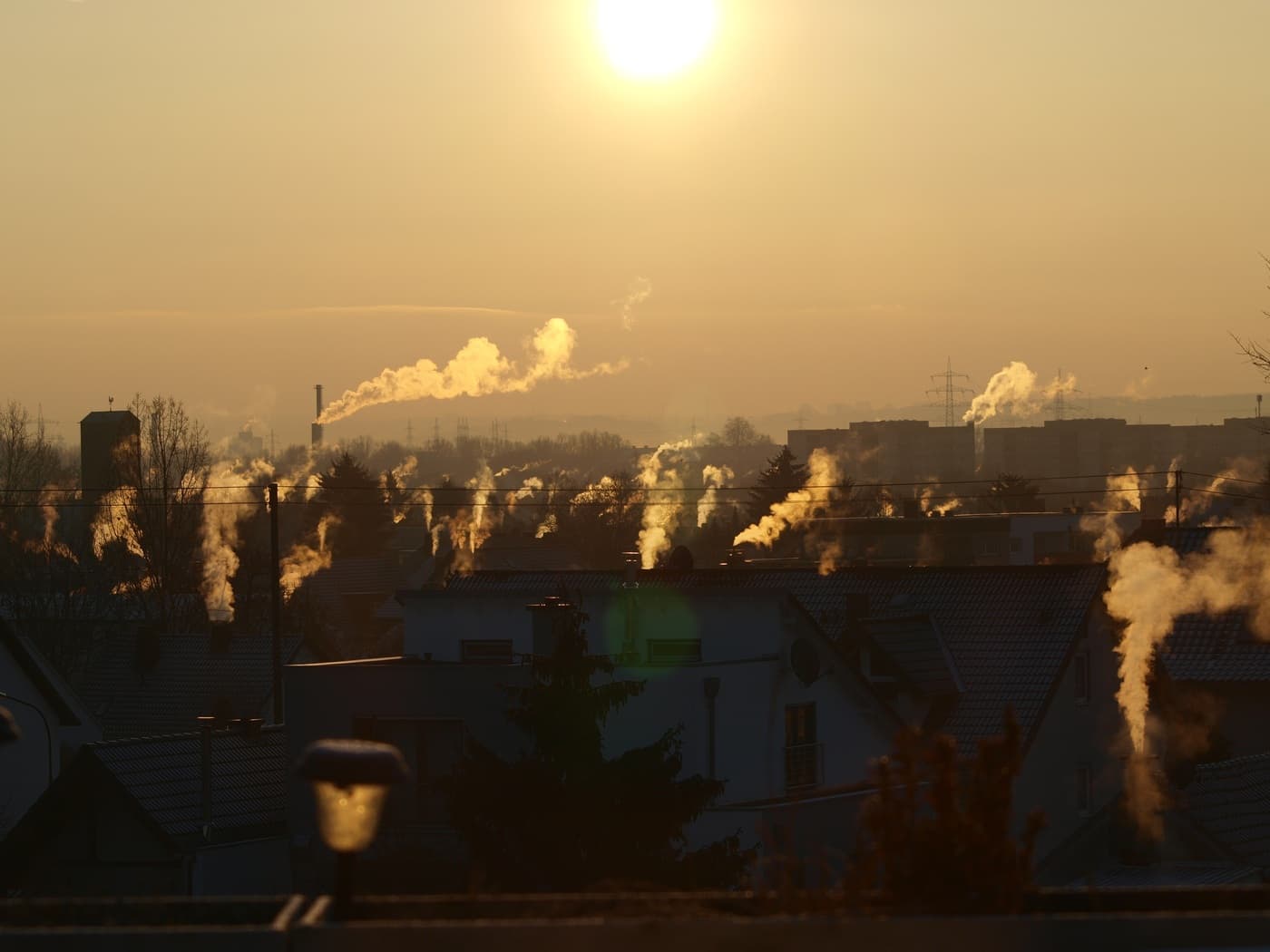
The European Union’s carbon border adjustment mechanism (CBAM) is a key element of the EU Green Deal and its Fit for 55 climate package. The system, introduced in 2021, is finally set to launch on 1 January 2026.
The European Commission announced the launch of the carbon border tariff system. The system has been operating in a transitional phase for some time and has been revised frequently. In practice, from the new year the system will apply to EU importers bringing in more than 50 tonnes of cement, iron and steel, aluminium or fertilisers, as well as to all electricity or hydrogen importers.
The full article is available HERE.
3. From airborne turbines to 35MW giants: how wind power advanced in 2025
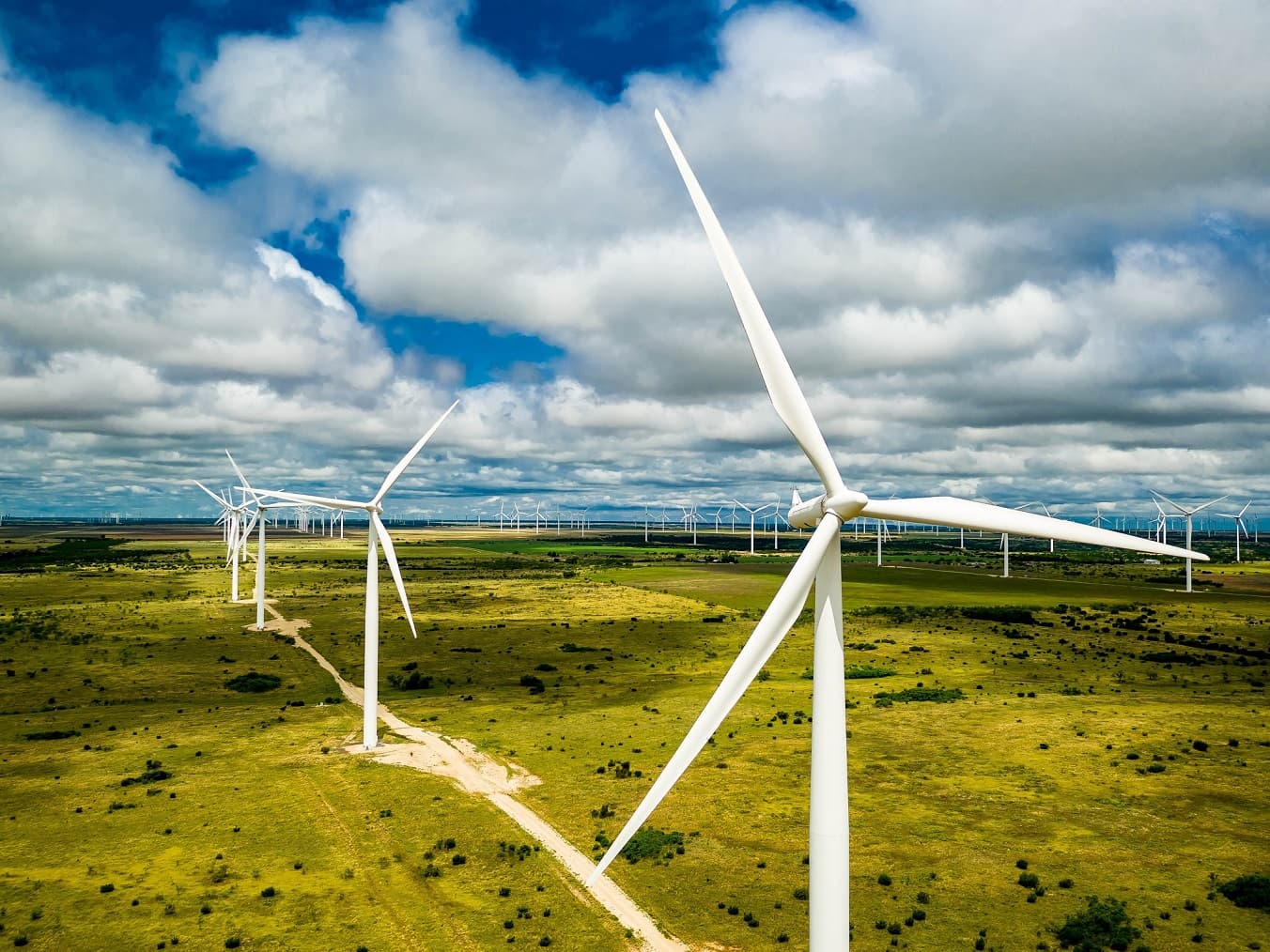
Like other energy sources, wind power is constantly evolving. Although the technology has boomed in recent years, installed capacity still falls significantly short of its theoretical potential. That potential is often defined by conditions that current technologies simply cannot handle, at least economically. This could change in the future. Interesting Engineering published an overview of 2025’s technological advances that could bring change.
In past decades, technological development in the sector focused primarily on turbine size and increasing capacity. Today, research and development are increasingly focused on overcoming technical limitations—from water depth and material constraints to precision control using data.
The full article is available HERE.
4. Spanish wind farms ready to help regulate voltage, a key service after the blackout
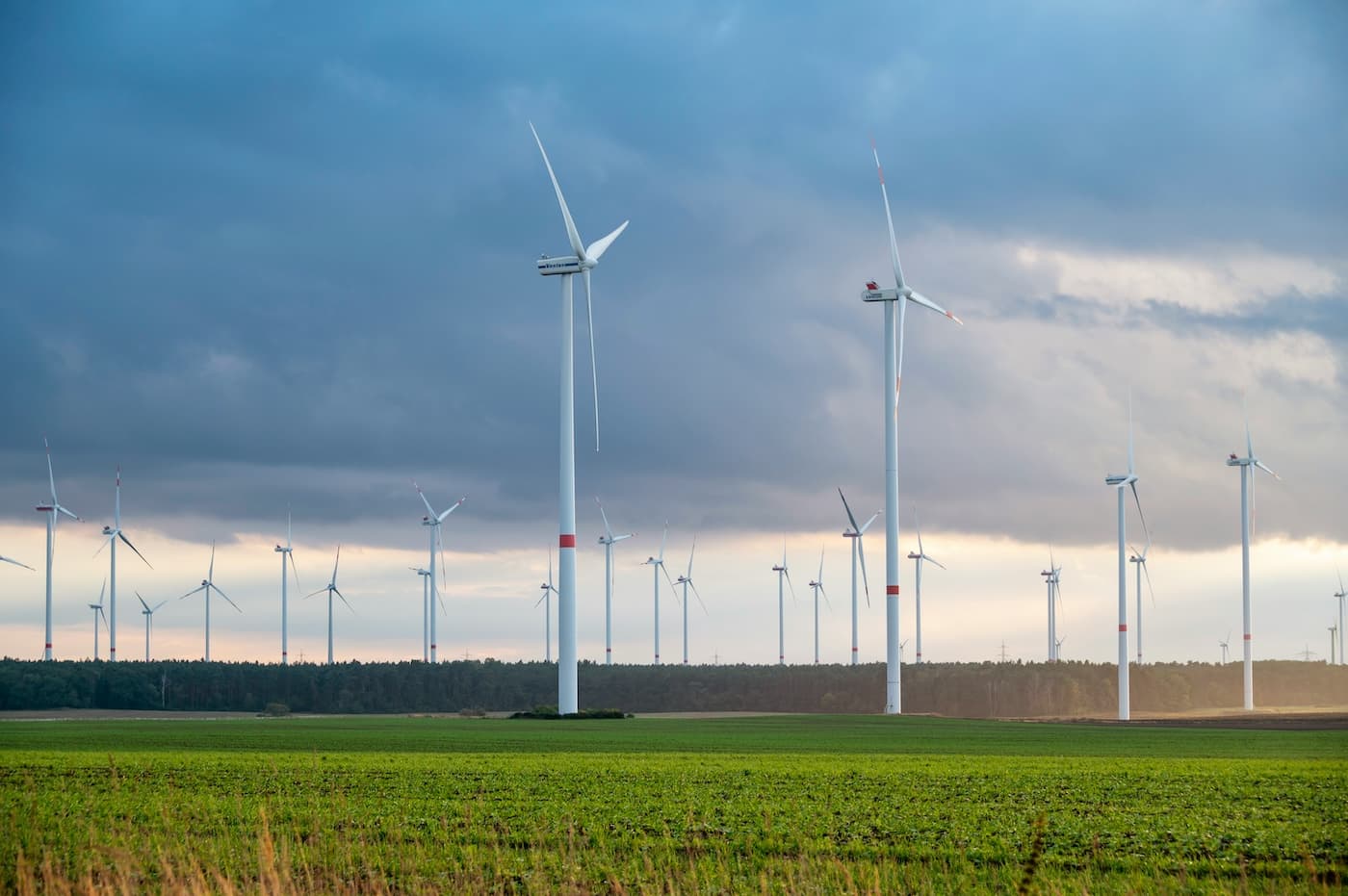
Spain’s wind power sector says it is ready to play an active role in voltage control in the power system. According to industry association AEE, renewables will have a key role in ensuring grid stability following the major blackout in April. New rules allowing wind and solar farms to provide voltage control services are expected to take effect next year.
Voltage control has come into focus for grid operators and power producers following the major power outage that hit Spain and Portugal at the end of April. The Spanish Wind Energy Association AEE (Asociación Empresarial Eólica) has now said that the sector is technically and operationally ready to provide voltage regulation services and help stabilise the power system.
The full article is available HERE.
5. Sweden begins a new era of nuclear power: first application for state support submitted
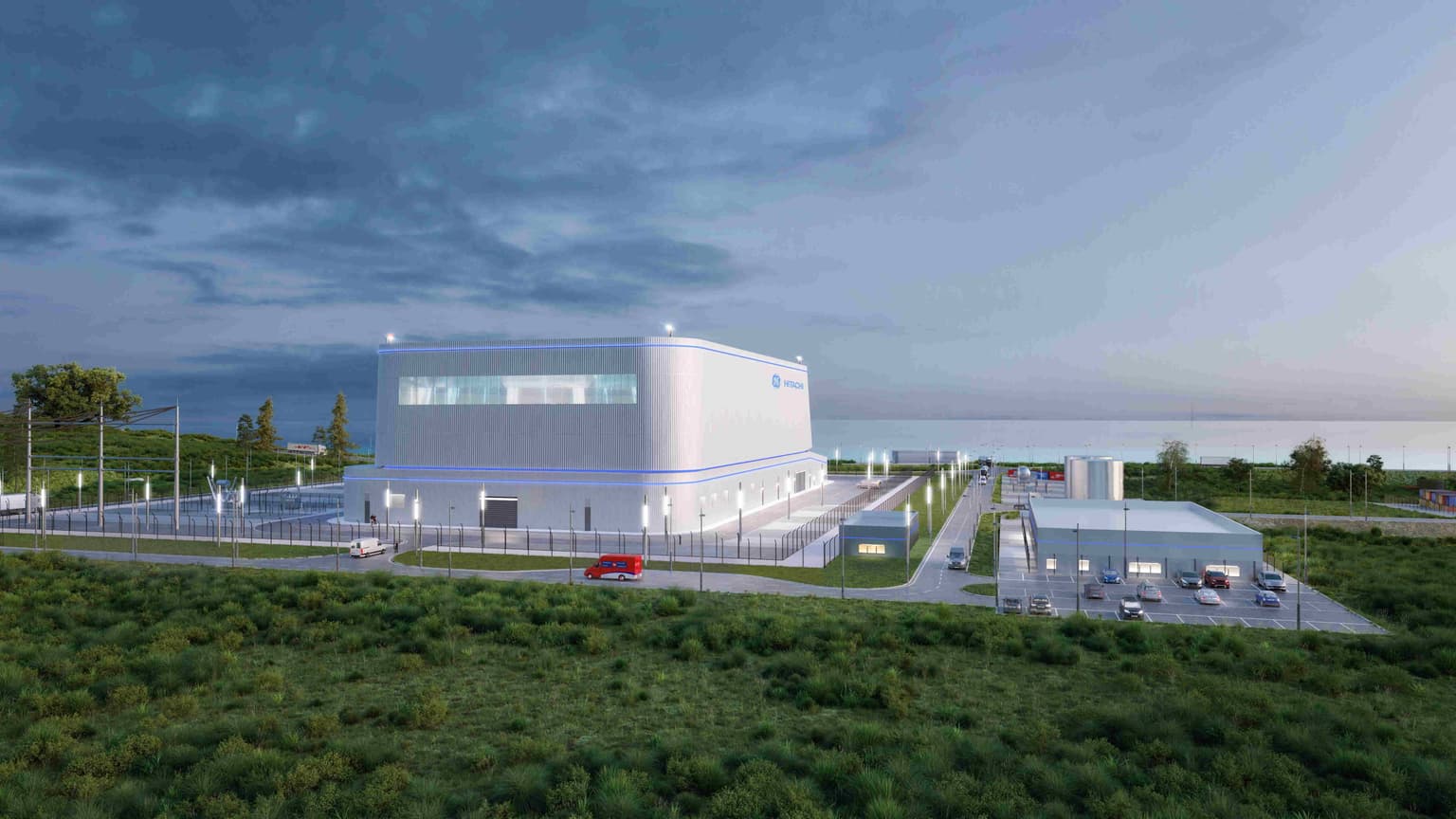
The Swedish government has received its first application for state support under legislation designed to encourage investment in new nuclear power. The application concerns a project to build new reactors at Ringhals on the Värö Peninsula, with total installed capacity of around 1 500 MW.
The application was submitted by Videberg Kraft AB. The project is considering two options for the supplier and configuration: five GE Vernova Hitachi BWRX-300 reactors or three SMRs from Rolls-Royce.
The full article is available HERE.
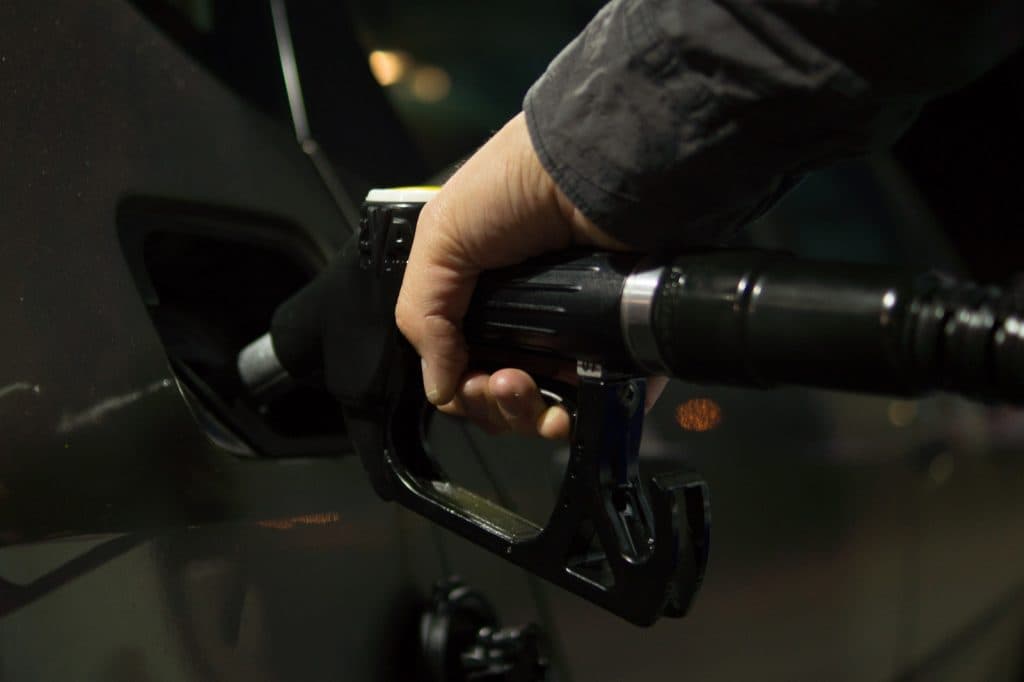
6. Oil prices fell in 2025, but what will happen in 2026?
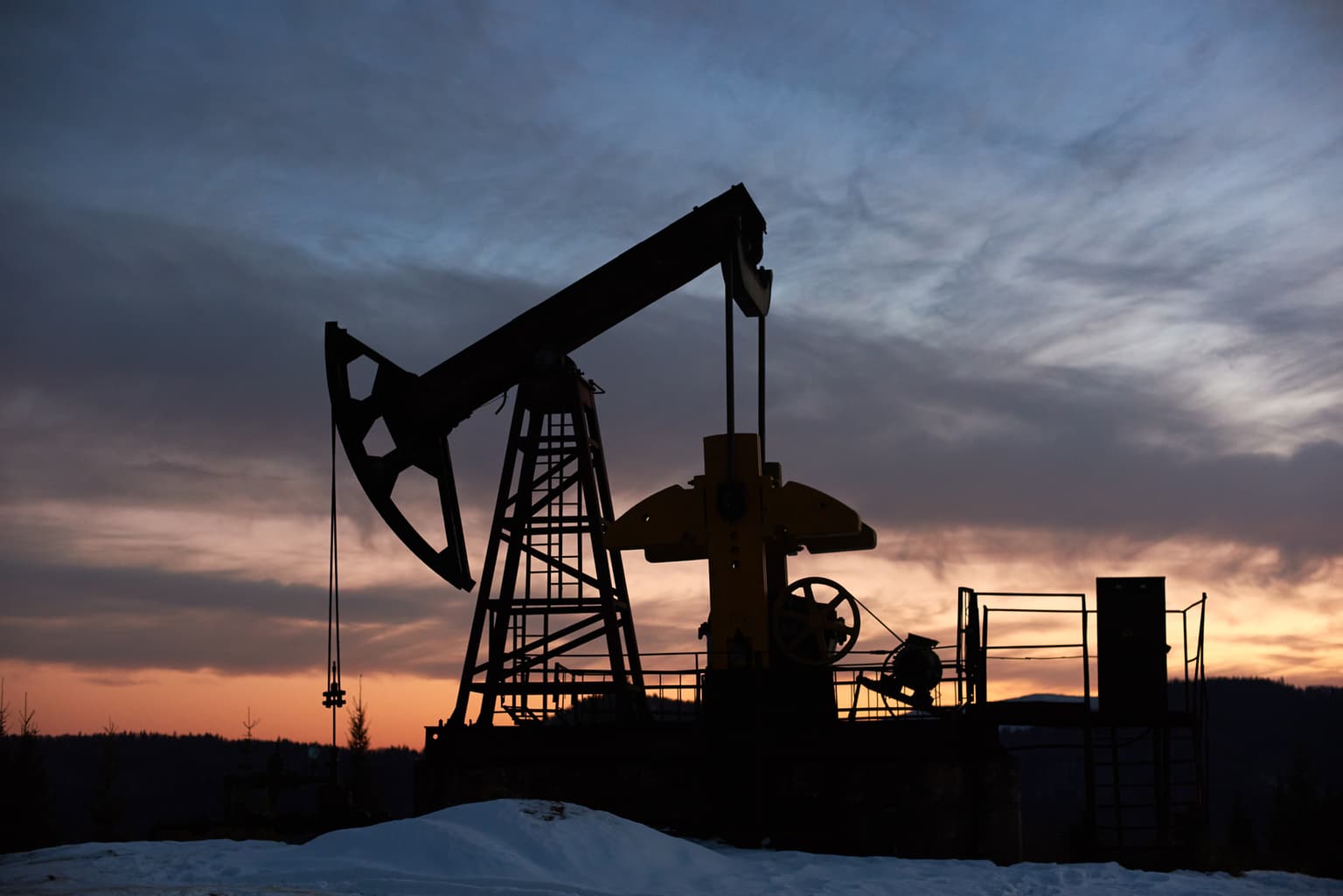
Despite a slight rise in recent days, oil prices generally trended downward over the past year. Since the start of 2025, prices have fallen by around 15%, mainly due to wars, rising tariffs, sanctions on oil producers and increased output by OPEC+ member countries.
According to analysts who spoke to Reuters, oil prices could fall as low as USD 55 per barrel. Demand and the market are then expected to stabilise, pushing oil prices to USD 60 per barrel. Shale oil producers are also expected to offer a much more consistent supply in 2026, less sensitive to price fluctuations.
The full article is available HERE.
7. Reuters: Russian gas exports to Europe fell sharply this year, LNG exports also down
Russian pipeline gas exports to Europe fell by 44 percent this year to 18 billion cubic metres, their lowest level since the mid-1970s. Reuters reported the figure today, citing its own calculations. The further decline is due to Ukraine’s decision to halt transit across its territory and the European Union’s continued efforts to reject Russian energy. The EU is also doing so as part of sanctions imposed after Russia launched its military invasion of Ukraine in 2022.
Russian gas now reaches the EU by pipeline only via TurkStream, through Turkey; otherwise, it is shipped as liquefied natural gas (LNG). Russia is now Europe’s second-largest LNG supplier, behind the United States. Reuters also reported today, citing preliminary data from LSEG, that Russia’s total LNG exports fell by 2.5 percent this year to 31.3 million tonnes, while exports to Europe declined much more sharply.
The full article is available HERE.
8. European gas prices edge up, but are down around 40 percent this year

Wholesale gas prices on the European market were almost unchanged on the last trading day of the year, but edged slightly higher. Strong wind power generation curbed demand from gas-fired power plants. Since the start of this year, however, prices have fallen by around 40 percent, Reuters reported.
Before 11:30 CET, the price of the benchmark front-month gas contract at the virtual Title Transfer Facility (TTF) trading hub in the Netherlands was up 0.3 euros at 28.12 euros (680 Kč) per megawatt-hour (MWh). On the last day of the previous year, it stood at 48.4 euros.
The full article is available HERE.
9. Global coal consumption appears to have peaked and is expected to decline by 2030
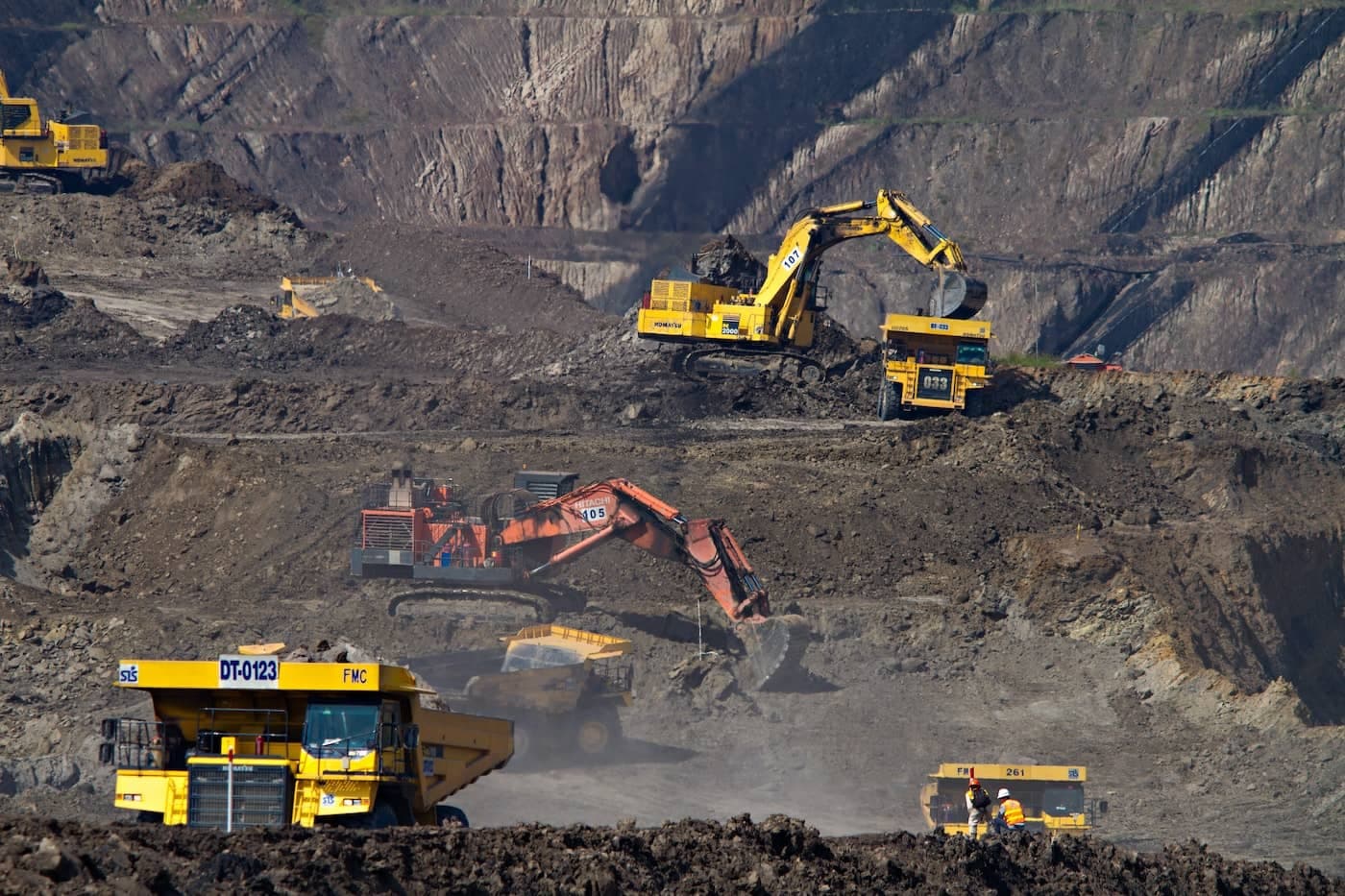
Global coal consumption rose 0.5% year on year in 2025 to a record 8.85 billion tonnes and, according to the International Energy Agency (IEA), has probably reached its peak. It is expected to begin gradually declining by 2030 as renewable energy and nuclear power expand and a new wave of liquefied natural gas (LNG) export capacity comes online.
In its annual report on the global coal market, the IEA said that developments in several major markets last year diverged from the trend established in previous years.
The full article is available HERE.
10. Worst year on record: UK oil sector sees no exploration and investment slumps
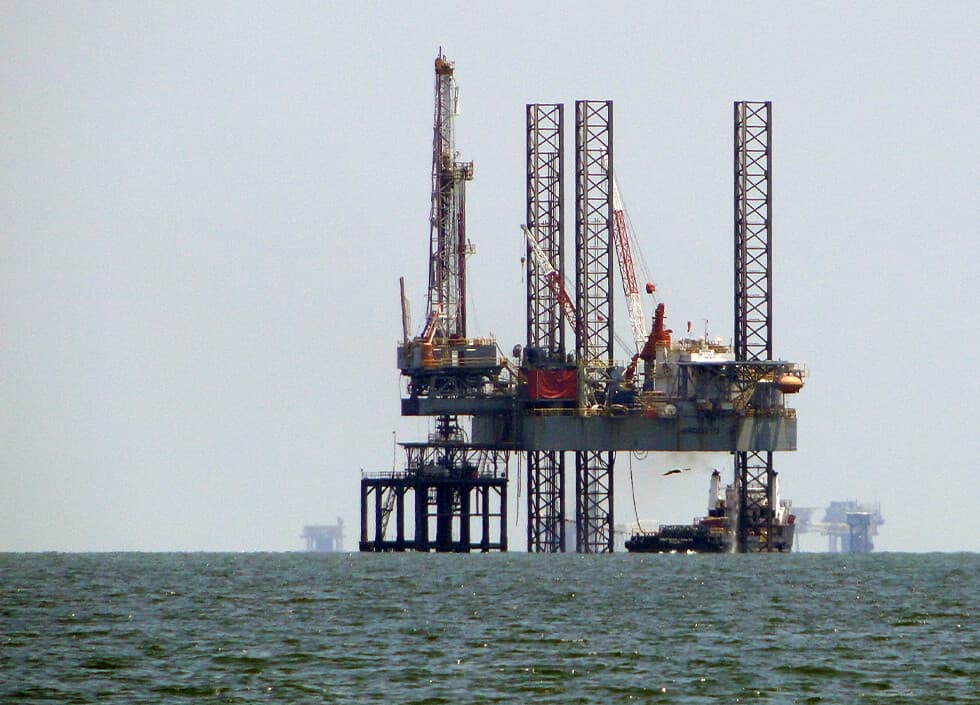
The UK oil and gas sector suffered an unprecedented downturn in 2025. For the first time since the 1960s, not a single exploration well was drilled in the North Sea, and investment in production is set to fall sharply further. Uncertain tax policies, a high fiscal burden and depleted fields are accelerating the decline of a traditional industry facing structural change and mounting pressure from the energy transition.
The year 2025 went down in the history of the UK fossil fuel industry as its worst ever for exploration for new fields. Consultancy Wood Mackenzie said that no exploration wells were drilled in UK territorial waters in 2025, the first time this has happened since oil and gas fields were discovered in the region in the 1960s.
The full article is available HERE.
Energostat: electricity generation in the Czech Republic
Data in this chart is also available in 15-minute resolution60min15min
Energostat: electricity generation in Germany
Data in this chart is also available in 15-minute resolution60min15min
Find more up-to-date charts and data on Energostat
Translation disclaimer
This article is a machine translation of the Czech original and has not yet been fully reviewed. In case of any doubt, please refer to the Czech version.
Sdílejte článek prostřednictvím:
Topics:Energy Weekly
You might also like

10 October 2026, 07:02
9 October 2026, 13:47