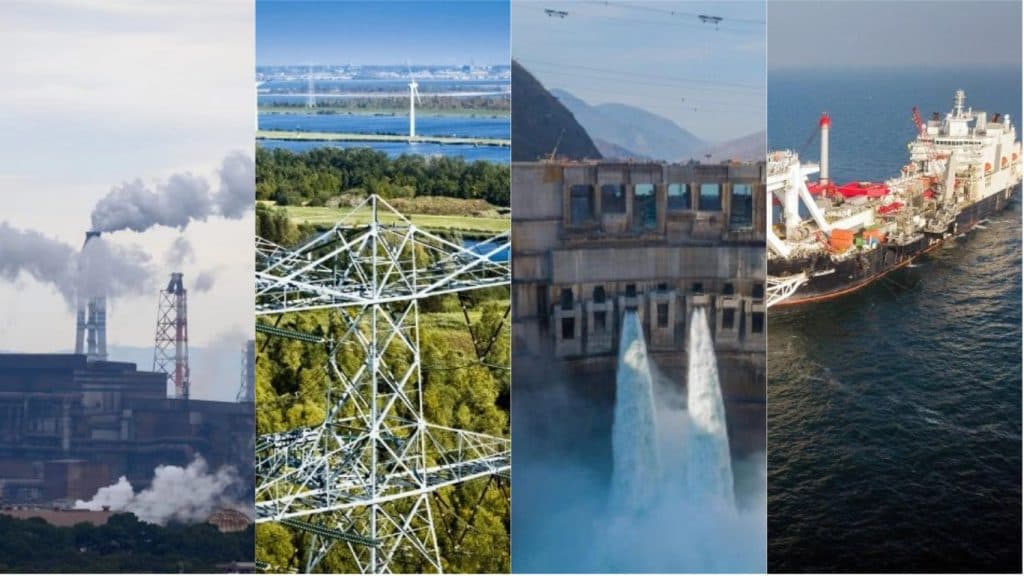

Two units at the Chvaletice coal-fired power plant must remain in operation for now. The reason is not that Czechia cannot manage without their electricity. Much more important is Chvaletice’s ability to regulate voltage and reactive power. This will most likely be needed especially during the summer months.
“ČEPS keeps the units on standby throughout the year. Their deployment at ČEPS’s request is expected mainly during periods of low electricity consumption, when voltage regulation problems occur most often. These situations usually arise at weekends, during holidays and on public holidays outside the winter period,” said ČEPS spokesperson Hana Klímová. It was the transmission system operator ČEPS that recently decided that two of Chvaletice’s four units would not be shut down for now.
Read the full article HERE.
2. Germany to scrap mandatory 65% renewable energy share for new heating systems
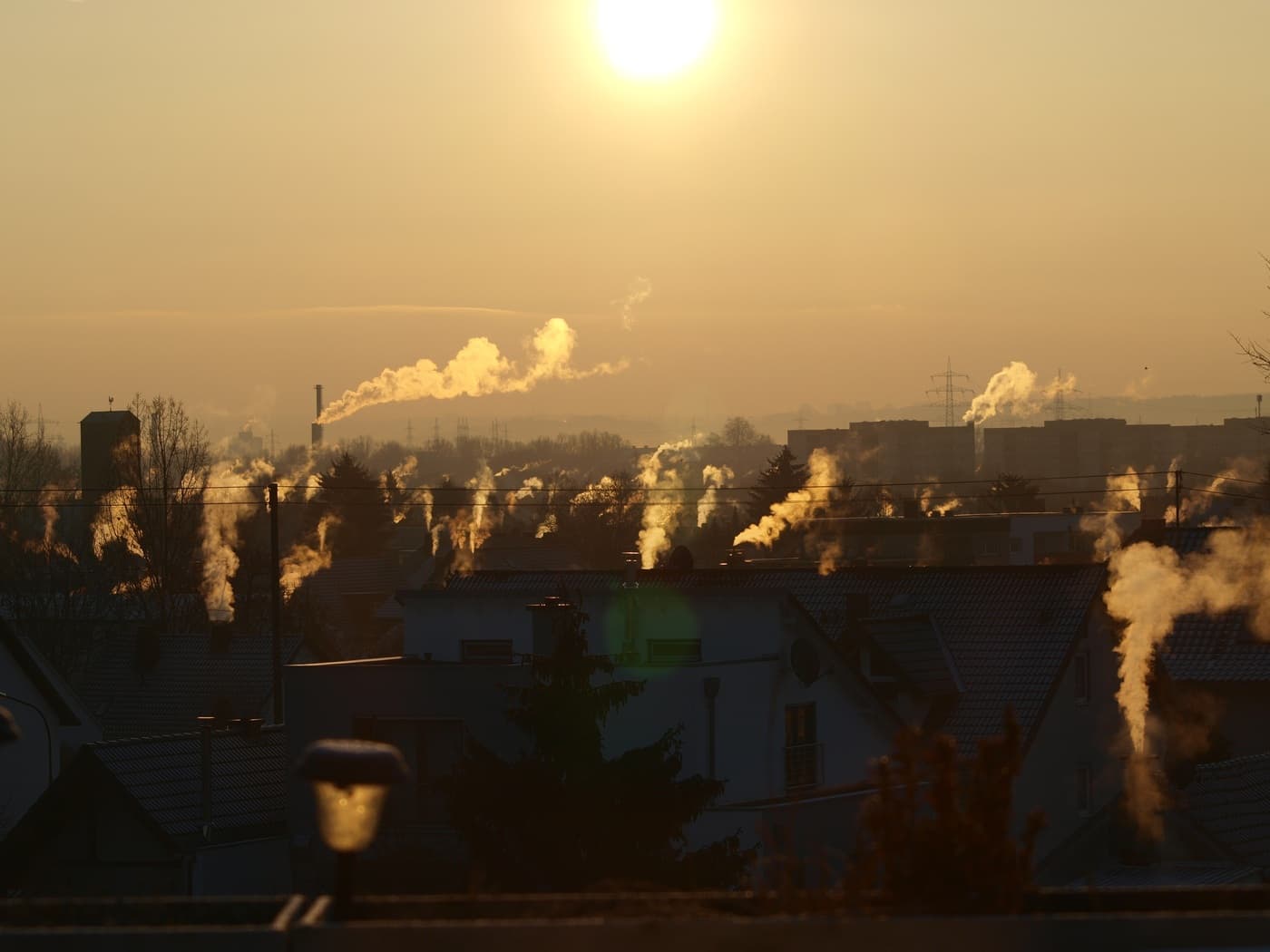
The mandatory 65% RES share for newly installed heating systems was introduced in 2023, after several months of debate, by the government of Olaf Scholz. The debate at the time also covered the possibility of a complete ban on installing new fossil-fuel heating systems from 2024, causing considerable uncertainty among consumers. Reform of the relevant law was therefore one of the key election issues for the new Chancellor Friedrich Merz.
Read the full article HERE.
3. Russian regulator issues license for another unit at Ukraine’s Zaporizhzhia nuclear power plant

The Zaporizhzhia nuclear power plant has been under Russian control for almost four years. It has long been a focus of attention for European governments, national nuclear regulators and international agencies, particularly because of its proximity to the front line. The plant has long faced problems with its electricity supply, with Russia and Ukraine repeatedly accusing each other of attacks on nearby energy infrastructure. All six nuclear units are shut down, so the plant has to rely on external supplies to ensure cooling.
Read the full article HERE.
4. Iran’s biggest oil buyer: China as a quiet player in the conflict around Iran
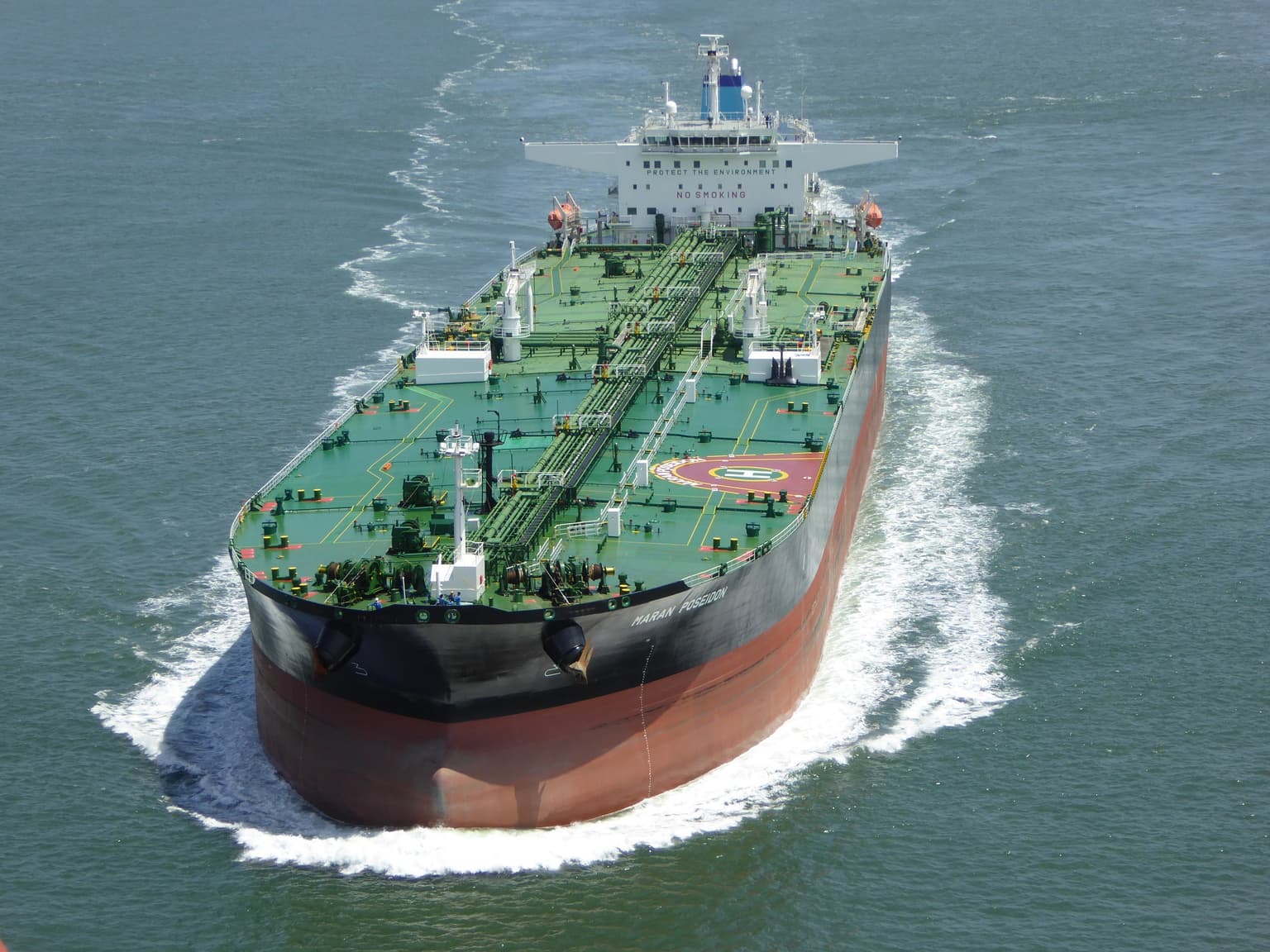
Escalating tensions between the US, Israel and Iran have once again roiled oil markets and raised questions about the security of the strategically important Strait of Hormuz. Any curbs on shipping would immediately affect the global energy sector, and China in particular, as it takes more than 80 percent of Iran’s oil exports. The conflict could therefore affect not only energy prices but also the fragile relationship between Washington and Beijing.
Markets are currently watching developments in the Middle East closely. Some analysts say oil prices could briefly jump by tens of dollars and approach $100 per barrel following an Israeli-US attack on Iran, particularly if traffic through the Strait of Hormuz were restricted. Around one-fifth of the world’s seaborne oil shipments pass through this narrow maritime corridor between the Persian Gulf and the Gulf of Oman. Any disruption would therefore affect not only the region but would immediately feed through to energy prices in Europe, Asia and the rest of the world.
Read the full article HERE.
5. Russian uranium as a geopolitical weapon: Europe must act or face long-term dependence
Almost four years after the start of the war in Ukraine, Europe is still sourcing a significant share of its enriched uranium from Russia. According to available data, Russian fuel accounts for roughly 23 percent of European demand, equivalent to approximately 2.5 million SWU. The low price of Russian supplies also remains a strong incentive for nuclear power plant operators.
Read the full article HERE.
6. Bill Gates’ TerraPower heads to the UK with its Natrium small nuclear reactor

TerraPower President and CEO Chris Levesque said the company welcomed the acceptance of its application and would bring a focus on technical precision and experience working with nuclear regulators to the assessment process. He also expressed his anticipation of working with the UK’s Department for Energy Security and Net Zero (DESNZ), the Office for Nuclear Regulation (ONR) and the Environment Agency in the coming months, with the aim of advancing efforts to bring the Natrium reactor to the UK.
Read the full article HERE.
7. Scandinavia does not want to change EU ETS 2: Will 2026 be a battle over the ETS?

Sweden, Finland, Denmark and Luxembourg issued a joint statement this week arguing against a delay to or further changes in the EU ETS 2 system. The statement came a day before a meeting of envoys who were due to discuss the system’s next steps. The countries cited the need for a stable investment environment as their main argument.
The four countries argue that the system, which the EU plans to launch in 2028, should remain unchanged so that businesses and households can decide what investments to make. Their statement opposes the position of 16 EU countries, including Czechia, which want to reform the system. These countries issued a similar document last year, before the agreement to postpone the system’s introduction by one year from its originally planned 2027 start. They proposed ways to adjust the system, ranging from increasing the number of allowances and holding the first auctions earlier to extending the operation of the Market Stability Reserve mechanism.
Read the full article HERE.
8. Wind energy development has virtually ground to a halt in Sweden

Sweden has recently been grappling with a slowdown in the construction of new power sources. The current generation mix of hydropower, nuclear and wind keeps electricity prices too low to make building new sources worthwhile without stronger guarantees. Although this situation benefits electricity consumers in the country, it could backfire in the long term.
Read the full article HERE.
9. EU delays “Made in Europe” plan due to internal disagreements
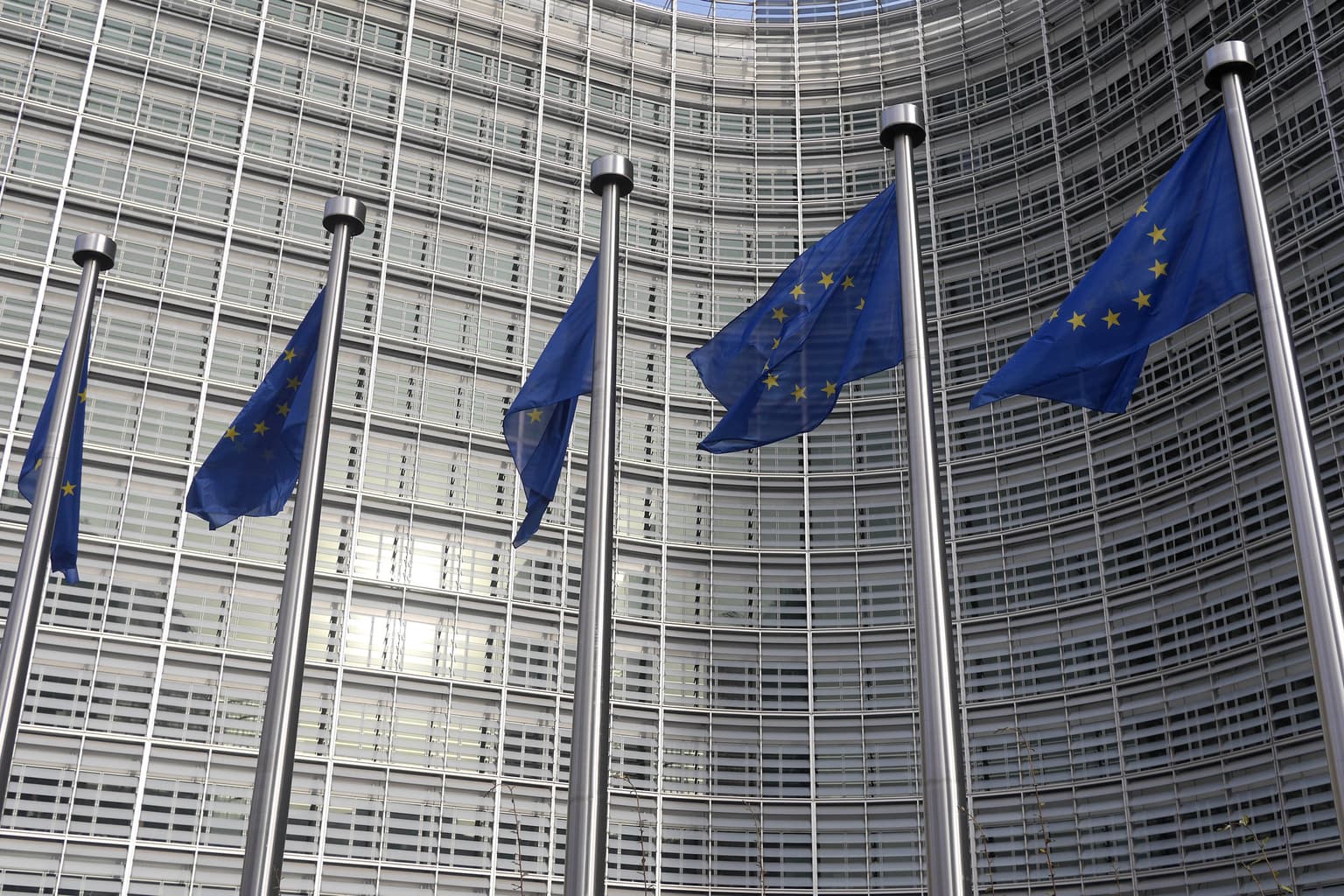
The proposal, now scheduled for publication on 4 March, aims to give priority to technologies and components made in Europe, particularly those produced as part of publicly funded projects. The initiative includes support for clean technology sectors, which are to supply the products receiving support.
Read the full article HERE.
10. Finland begins construction of a pilot facility for a small modular reactor concept
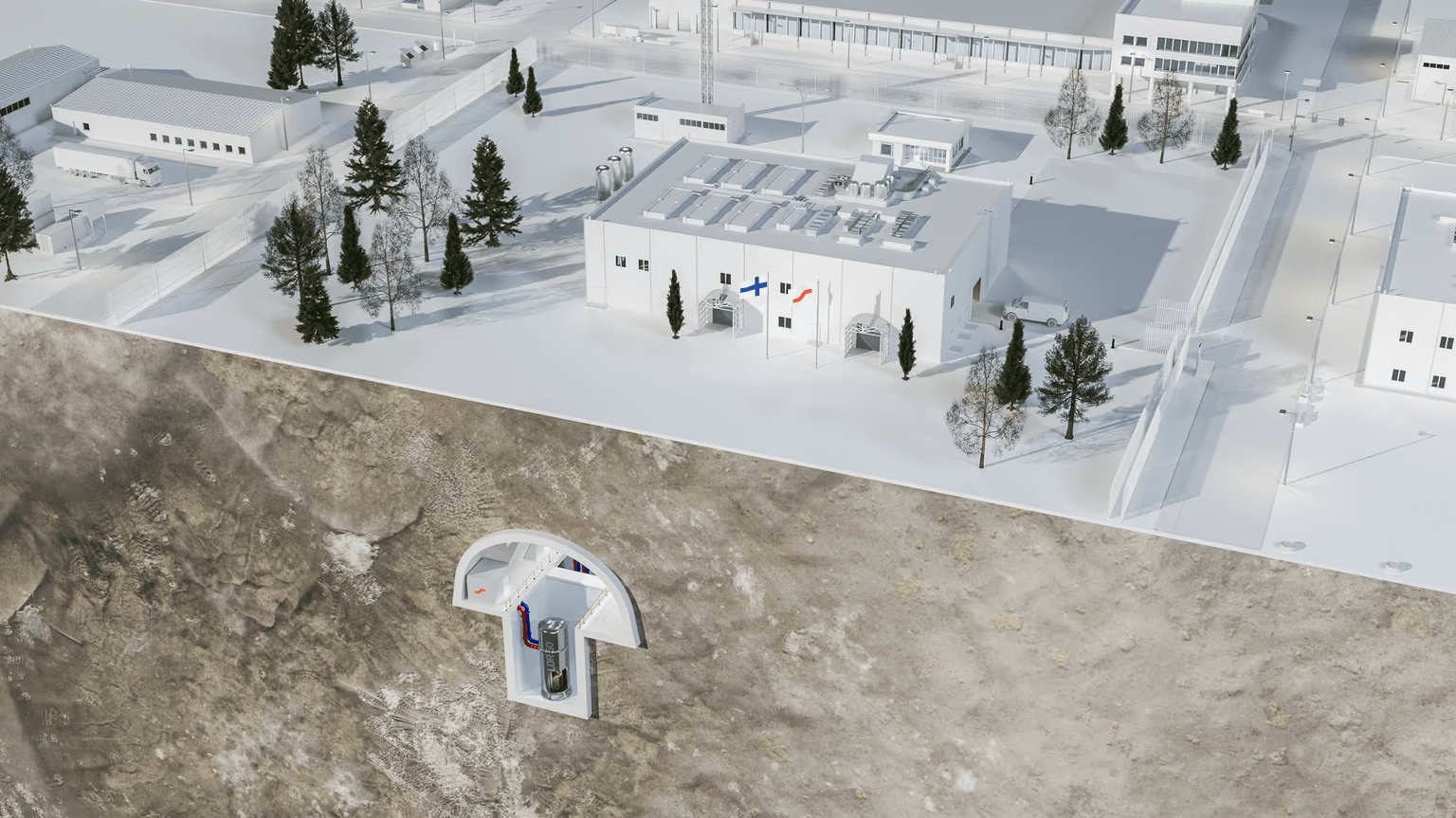
The pilot unit is intended to serve as an operational model of a full-scale reactor module. Unlike the future nuclear installation, it will not use nuclear fuel: heat will be supplied by an electric heating element inside the reactor vessel (capsule). The aim is to test its operating characteristics while also verifying the manufacturing and supply chains needed to build commercial units.
Read the full article HERE.