23 October 2026, 11:01
Loading...
Top 10 energy stories from the past week
oEnergetice.cz
29 March 2026, 14:34
This week, we once again bring you a carefully selected list of the ten most important articles published on oEnergetice.cz. If you missed any of them, here is a selection of the stories that caught our readers’ attention the most. Good luck in the week ahead!
1. New Russian VVER-TOI reactor at Kursk reaches full power

A new unit at the Kursk nuclear power plant has reached an important milestone on its way to commercial operation. The first VVER-TOI reactor to do so has reached its full output of 1255 MW for the first time. The new units, designed for a 100-year operating life, will also replace ageing RBMK reactors at the Smolensk plant. Rosenergoatom estimates that one VVER-TOI unit will generate nearly 10 TWh of electricity annually.
Russian energy company Rosenergoatom announced that the first unit of the second phase of the Kursk nuclear power plant has reached full power for the first time. It is also the first VVER-TOI reactor, with a gross capacity of 1255 MW, to reach this milestone. Engineers are building another unit of the same type (Kursk II-2) at the Kursk plant in western Russia, near the Ukrainian border. Two more VVER-TOI units at the site have building permits, but construction has not yet officially begun.
Read the full article HERE.
2. Higher gas prices, higher electricity prices: Hormuz closure is unprecedented in recent times, says Tomáš Plocek

The current tensions in the Middle East have once again highlighted how sensitive energy markets are to geopolitical shocks. The conflict involving Iran has significantly increased the risk premium for oil, natural gas and electricity in recent weeks, raising questions about whether this is merely a short-term market reaction or the beginning of a longer period of increased volatility.
How could the current situation affect energy commodity prices? What scenarios are traders watching, and what impact could price fluctuations have on European consumers and industry? According to Tomáš Plocek of E.ON Česká republika, decarbonisation could also be part of the solution. In an interview with oEnergetice.cz, he says that high volatility and the cost of dealing with energy crises could make investment in independence look more attractive.
Read the full article HERE.
3. What does the ČEPS report really say about the need for Tykač’s power plants?

A study by ČEPS on the impact of shutting down power plants belonging to the Sev.en group was published recently. The findings, widely reported in the press, concerned the Chvaletice, Počerady and Kladno plants. The report says Počerady and Kladno can be shut down without critical impacts, while two units at Chvaletice need to remain in operation to ensure system adequacy. Let’s take a look at what the ČEPS report says.
ČEPS was tasked with assessing the impact of announced power plant closures on the safe and reliable operation of the electricity system at the time of their shutdown. Its study analyses whether closing the plants in question would threaten the system’s safe and reliable operation. It also examines whether this would make it impossible to use standard measures (such as ancillary services) to maintain grid frequency, the required voltage stability and necessary inertia. Another task is to assess whether the ability to maintain islanded operation in the area would be compromised, whether the N-1 security criterion could still be met, and whether black-start capability would be available in the event of a system-wide outage.
Read the full article HERE.
4. New gas-fired power plants in Germany face further delays as support scheme remains unclear
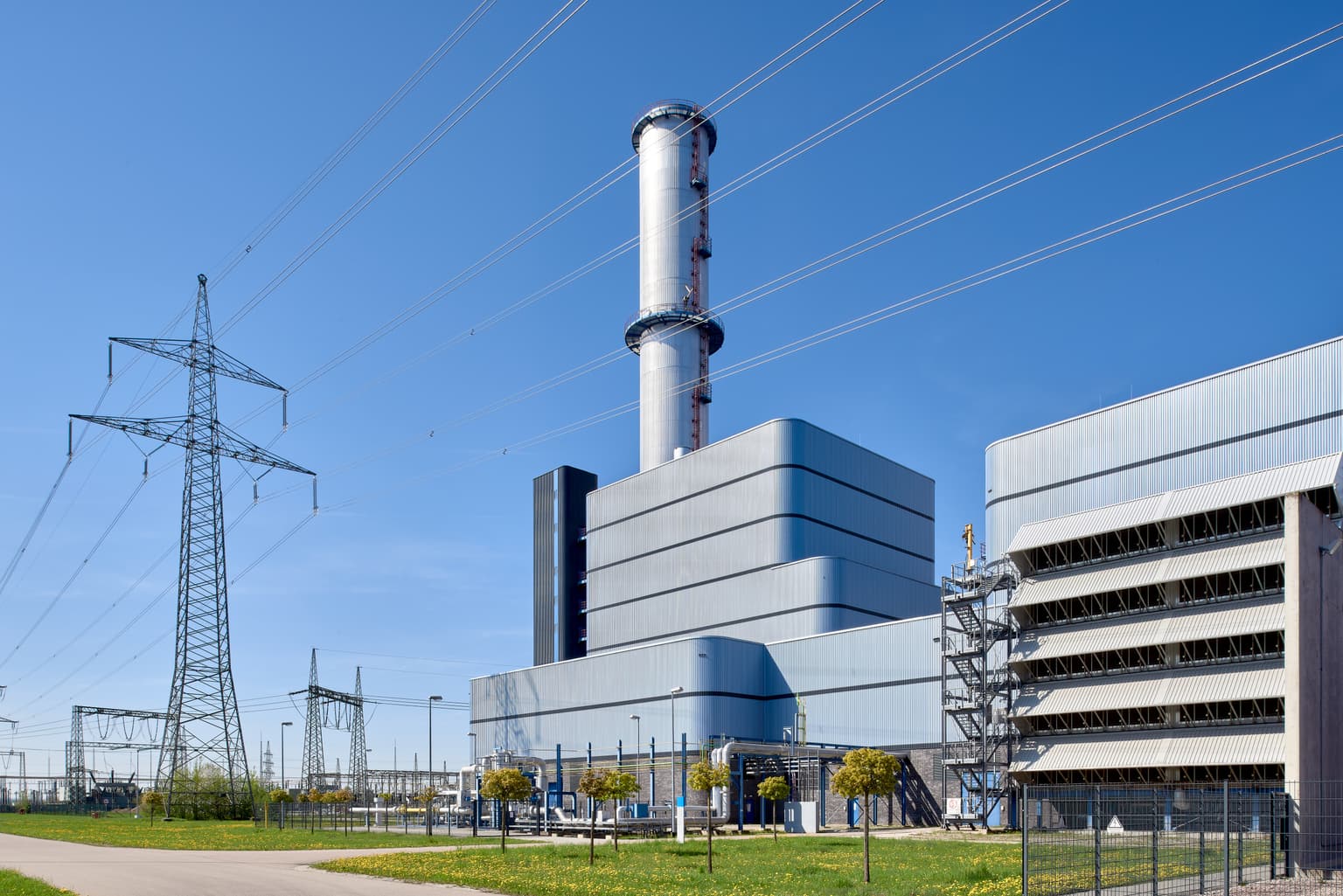
The much-anticipated auctions for new backup gas-fired power plants in Germany, intended to ensure stable electricity supplies as renewables expand and coal plants are retired, could be delayed further. Germany has yet to submit the relevant draft legislation to the European Commission. The key problem remains uncertainty over the design of the support mechanism. Der Spiegel reported.
Planned auctions for the construction of new gas-fired power plants in Germany, which are intended to serve as backup sources during periods of low renewable energy generation, are likely to be delayed again. According to available information, preparations for the auctions are being hampered by uncertainty over the design of the support scheme.
Read the full article HERE.
5. The largest nuclear power plant in the US aims to operate for up to 80 years; operator preparing licence extension application

The largest nuclear power plant in the United States, Palo Verde, could operate for up to 80 years. Its operator, Arizona Public Service, plans to apply for a further licence extension in 2027, which could extend the operation of its three units to around 2045–2047. The move reflects a broader trend in the US energy sector, where companies are increasingly opting to extend the life of existing reactors rather than build new capacity.
The operator of Palo Verde, the largest nuclear power plant in the United States by installed capacity, plans to apply for a further life extension. Arizona Public Service (APS) announced that it is preparing an application for what is known as a second licence renewal, which would allow the plant to operate for up to 80 years.
Read the full article HERE.
6. Higher output and restarts: US aims to add 5 GW of available capacity from existing nuclear plants within three years
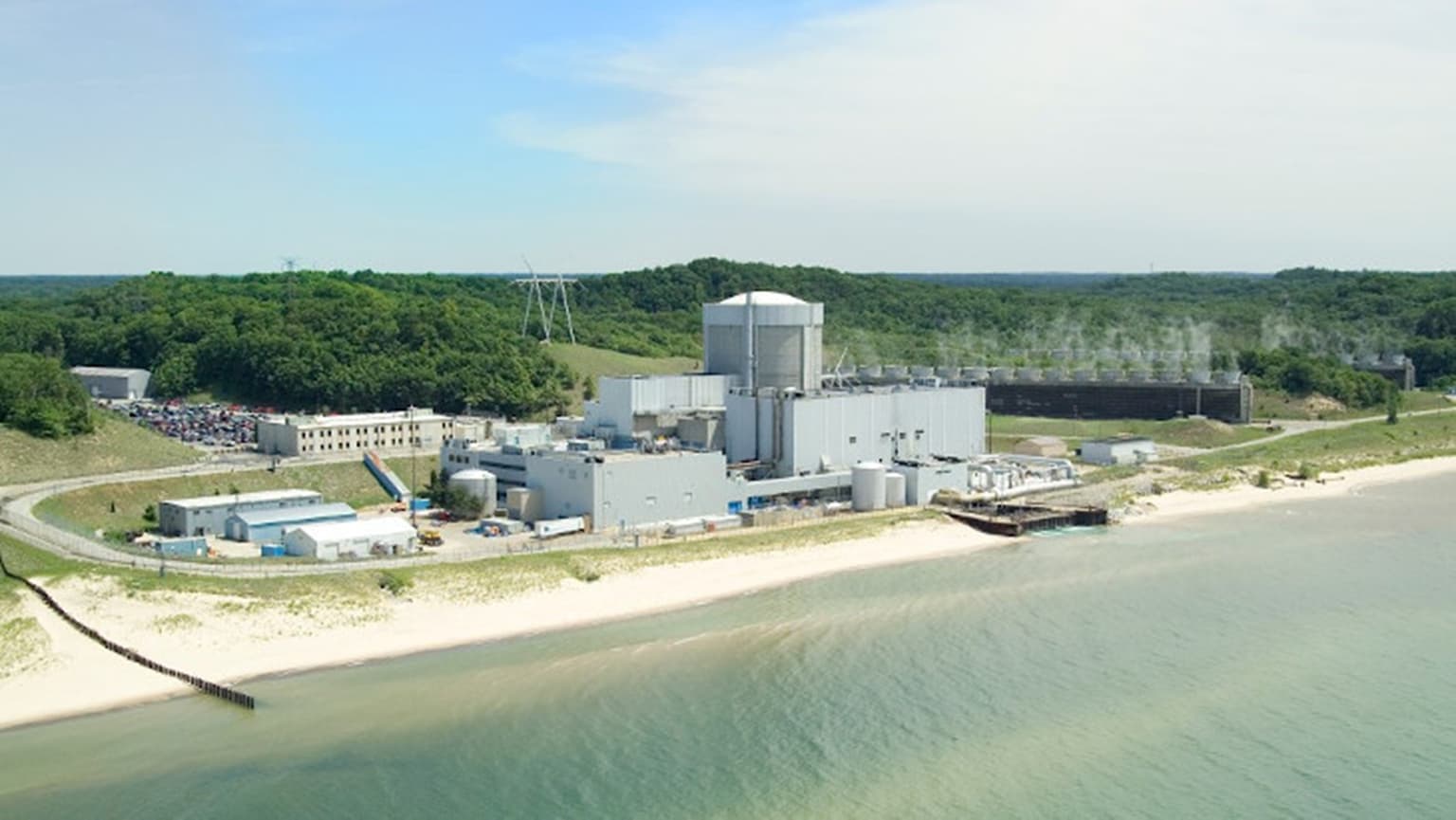
With Donald Trump’s administration taking office, US federal energy policy has once again begun to shift more towards the development of fossil fuel and nuclear power. In the nuclear sector, the US plans to support increased generation from existing facilities. This is expected to involve a combination of uprates and restarts of previously closed plants. The US Department of Energy has hundreds of billions of dollars available in the form of favourable loans to finance these efforts.
As energy commodity prices rise, particularly those of natural gas, nuclear power is once again becoming a topic of widespread debate. While high natural gas prices are a particular concern for regions dependent on imports, such as Europe and Asia, discussions about greater use of nuclear power are also taking place in the United States. Efforts to increase available nuclear capacity are being driven by private-sector initiatives as well as federal policy and support programmes.
Read the full article HERE.
7. Germany aims to meet climate targets partly by building 2,000 wind farms
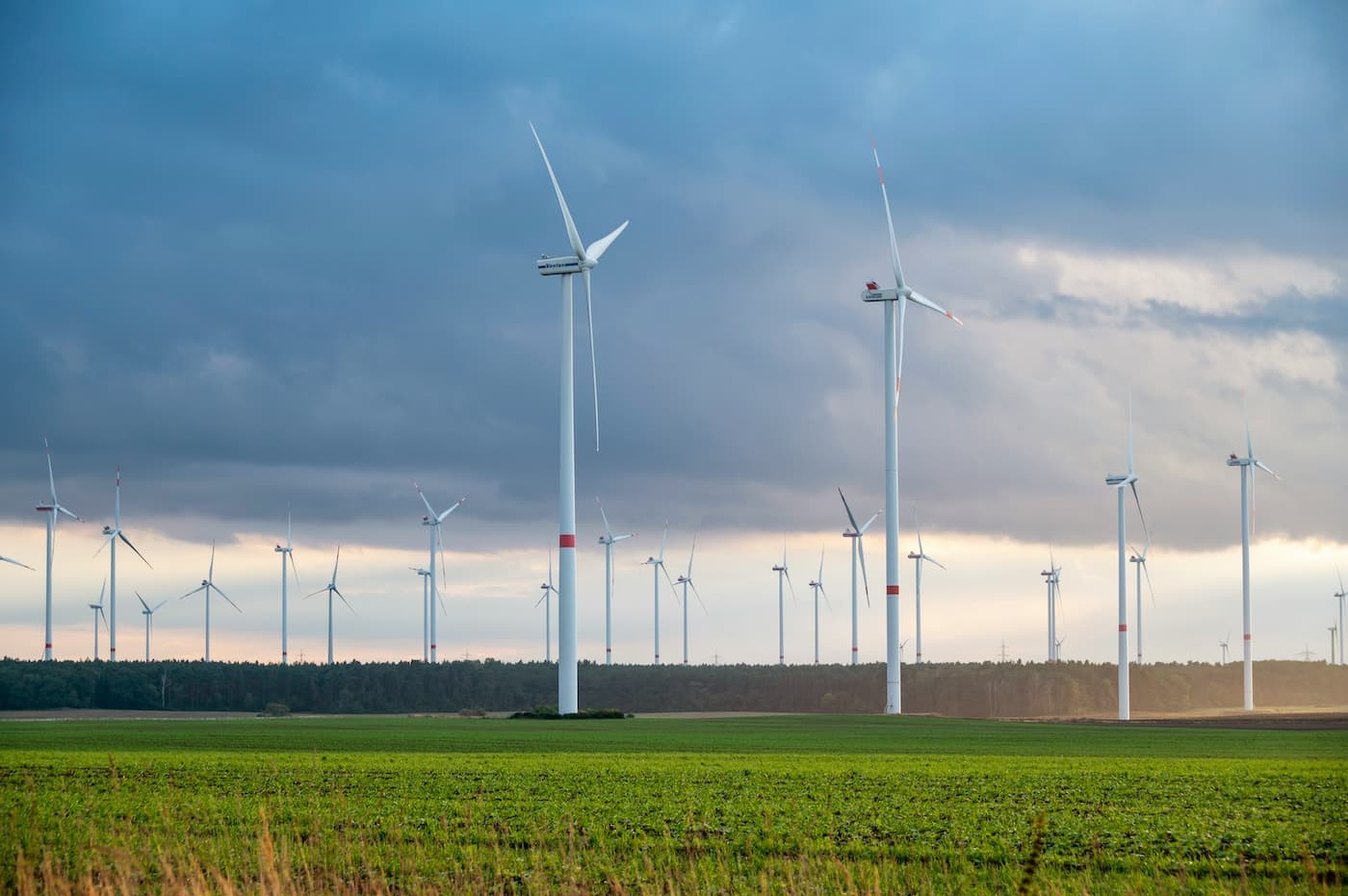
Berlin, 25 March (ČTK) - Germany aims to meet its climate targets for 2030 by building 2,000 new wind farms, expanding the area of mixed forests and providing greater support for electric mobility. Environment Minister Carsten Schneider announced the plan at a press conference today, presenting a programme containing 67 measures. Germany has set a target of reducing greenhouse gas emissions by 65 percent by 2030 compared with 1990.
The German government approved the new climate programme at its meeting today. According to calculations by non-governmental organisations, Germany risks missing its own climate target. In addition to its 2030 target, it has a 2045 target, by which the largest economy in Europe aims to achieve carbon neutrality. The government was required by law to present the programme one year after the start of its term, with today being the latest deadline.
Read the full article HERE.
8. Vietnam signs agreement with Russia to build the country’s first nuclear units

Vietnamese and Russian representatives signed a new intergovernmental agreement at the beginning of the week, paving the way for the construction of two VVER-1200 nuclear units. The countries reached an initial agreement on building the units in 2009, but the project was halted 10 years ago. The government later reassessed its nuclear energy ambitions, reopening the way for the project.
Vietnam’s plans to develop nuclear power date back to the second half of the 20th century, but the country has no nuclear power plants to date. Vietnam came closest to starting construction of its first nuclear units almost two decades ago, after agreeing with Russia to build two VVER-1200 units at the Ninh Thuan site. Preparatory work even began towards the end of 2011, but in 2016 the Vietnamese government suspended the project over concerns about its economics.
Read the full article HERE.
9. Japan successfully tests 100% ammonia combustion in a large gas turbine combustor

IHI Corporation (IHI) and GE Vernova (GEV) have successfully completed tests of 100% ammonia combustion in a modified combustor for an F-class gas turbine with an output of nearly 300 MW. The two companies aim to bring a commercial solution to market by 2030.
Japan published a plan to accelerate the development and deployment of technologies for generating electricity from ammonia in mid-2021. The plan covers, on the one hand, coal burners capable of co-firing more than 50% ammonia and, on the other, gas turbines that burn pure ammonia. Both technologies are expected to be ready for commercial use by 2030.
Read the full article HERE.
10. Shock for global markets: Qatar loses 17% of LNG export capacity after Iranian attacks

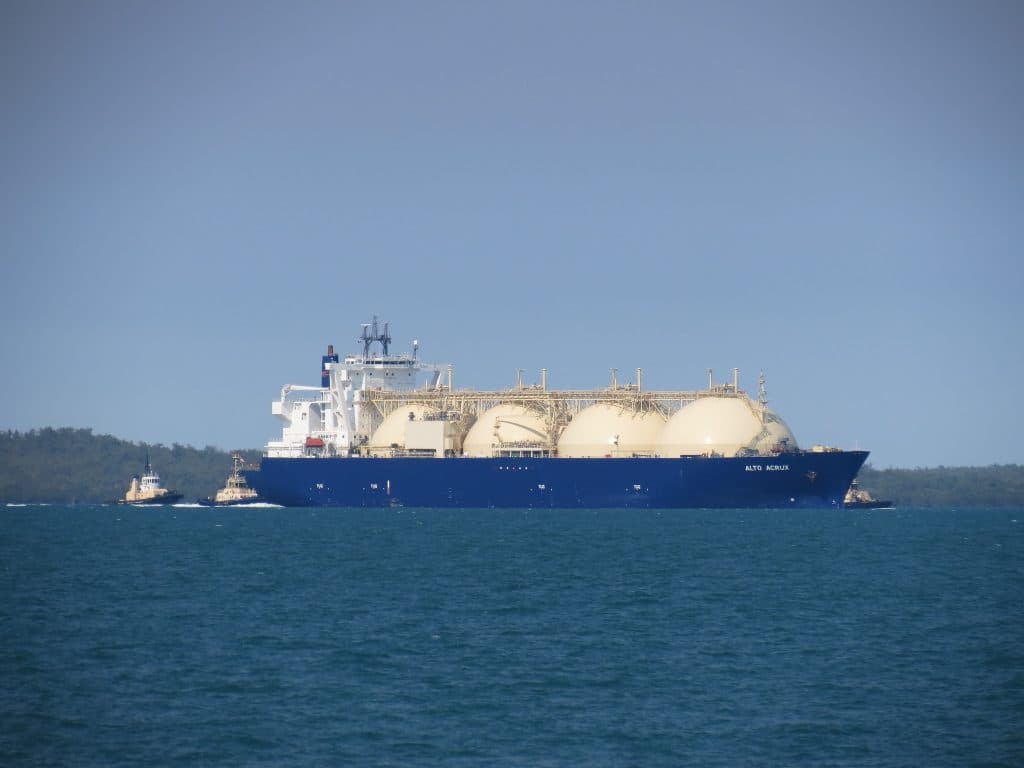
Intense Iranian attacks on energy infrastructure in the Persian Gulf, which escalated last week, have had major consequences. Qatar has been hit hardest, losing 17% of its liquefied natural gas (LNG) export capacity. Nearly 13 million tonnes of LNG a year will therefore be “missing” from the global market in the coming years. Repairs to the damaged facilities could take up to five years, affecting supplies to Europe and Asia. The situation is serious and directly affects countries with long-term contracts with Qatar, such as Belgium and Italy. Italy began almost immediately after the extent of the damage was announced to seek alternative suppliers.
The escalation of the conflict in the Middle East last week brought a series of attacks on energy infrastructure across the Persian Gulf. On Wednesday, Israeli airstrikes targeted gas and oil facilities in Iran. Just a few hours later, Iranian drones and ballistic missiles began striking energy facilities across the Persian Gulf in retaliation. Iranian forces managed to hit targets in Saudi Arabia, Kuwait and the United Arab Emirates. The attack on Qatar’s infrastructure has had the most serious consequences.
Read the full article HERE.
Energostat: electricity generation in the Czech Republic
Data in this chart is also available in 15-minute resolution60min15min
Energostat: electricity generation in Germany
Data in this chart is also available in 15-minute resolution60min15min
Find more up-to-date charts and data on Energostat
Translation disclaimer
This article is a machine translation of the Czech original and has not yet been fully reviewed. In case of any doubt, please refer to the Czech version.
Sdílejte článek prostřednictvím:
Topics:Energy Weekly
You might also like


23 October 2026, 06:34