Top 10 energy stories from the past week in Czechia
This week, we once again bring you a carefully curated list of the ten most important articles we published on oEnergetice.cz. If you missed any of them, here is a selection of the stories that attracted the most reader interest. Best of luck in the new week!
1. Chinese Candu reactor sets new record
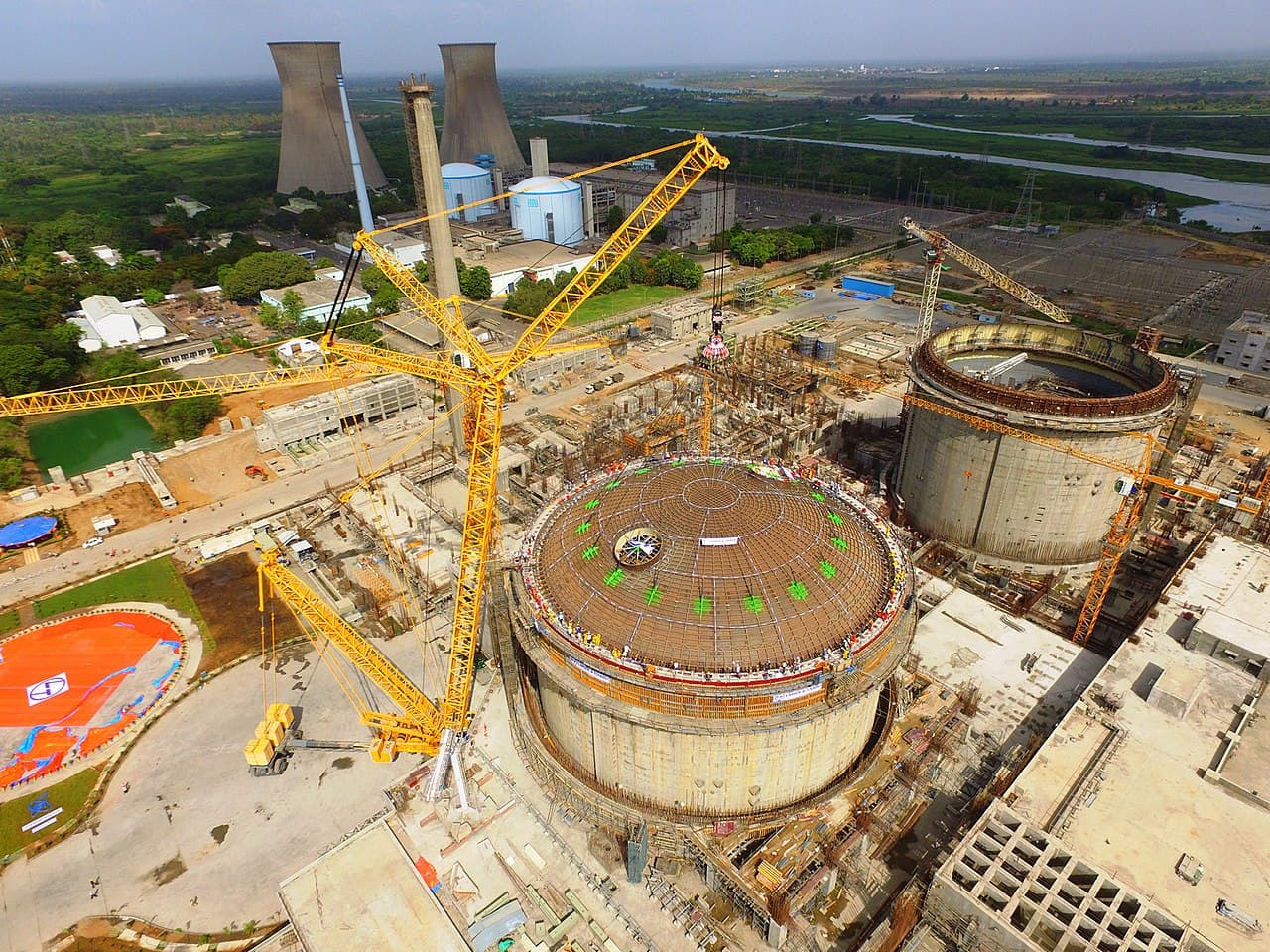
Unit 1 of the Qinshan III nuclear power plant, located near Shanghai in China’s Zhejiang province, was taken offline as planned on 1 May after 738 days of continuous operation. The plant set a new record for the longest uninterrupted operation of a power reactor in China, as well as a world record for the longest operating run by a Candu-6 reactor.
During its latest operating cycle, which began on 24 April 2023, Qinshan III Unit 1 supplied more than 12.5 TWh of electricity. The electricity supplied is equivalent to reducing standard coal consumption by 3.8 million tonnes and cutting carbon dioxide emissions by 9.97 million tonnes, according to the plant’s majority owner, China National Nuclear Corporation (CNNC).
Global use of Candu-6 reactors
A total of nine Candu-6 reactors are in operation worldwide. They are located at Romania’s Cernavoda plant (units 1 and 2), Argentina’s Embalse plant, Canada’s Point Lepreau plant, China’s Qinshan III plant (units 1 and 2), and South Korea’s Wolsong plant (units 2-4).
Read the full article HERE.
2. Result of the new investment model? State aid for Dukovany’s fifth unit must be notified again

State aid approval for the fifth unit in the expansion of the Dukovany nuclear power plant must be obtained again. This follows from the contents of Amendment No. 6 to the first implementation contract between the state and EDU II, the company that will build the unit, as well as from comments made to oEnergetice.cz by the Czech Ministry of Industry and Trade. The reason for the renewed notification is the new investment model for the Dukovany expansion.
The government and ČEZ announced the new investment model for the Dukovany nuclear power plant expansion at the end of April this year. The government decided to take an 80% stake in Elektrárna Dukovany II, the project company responsible for building the new Dukovany units.
Read the full article HERE.
3. Electricity prices fell deep into negative territory over the weekend
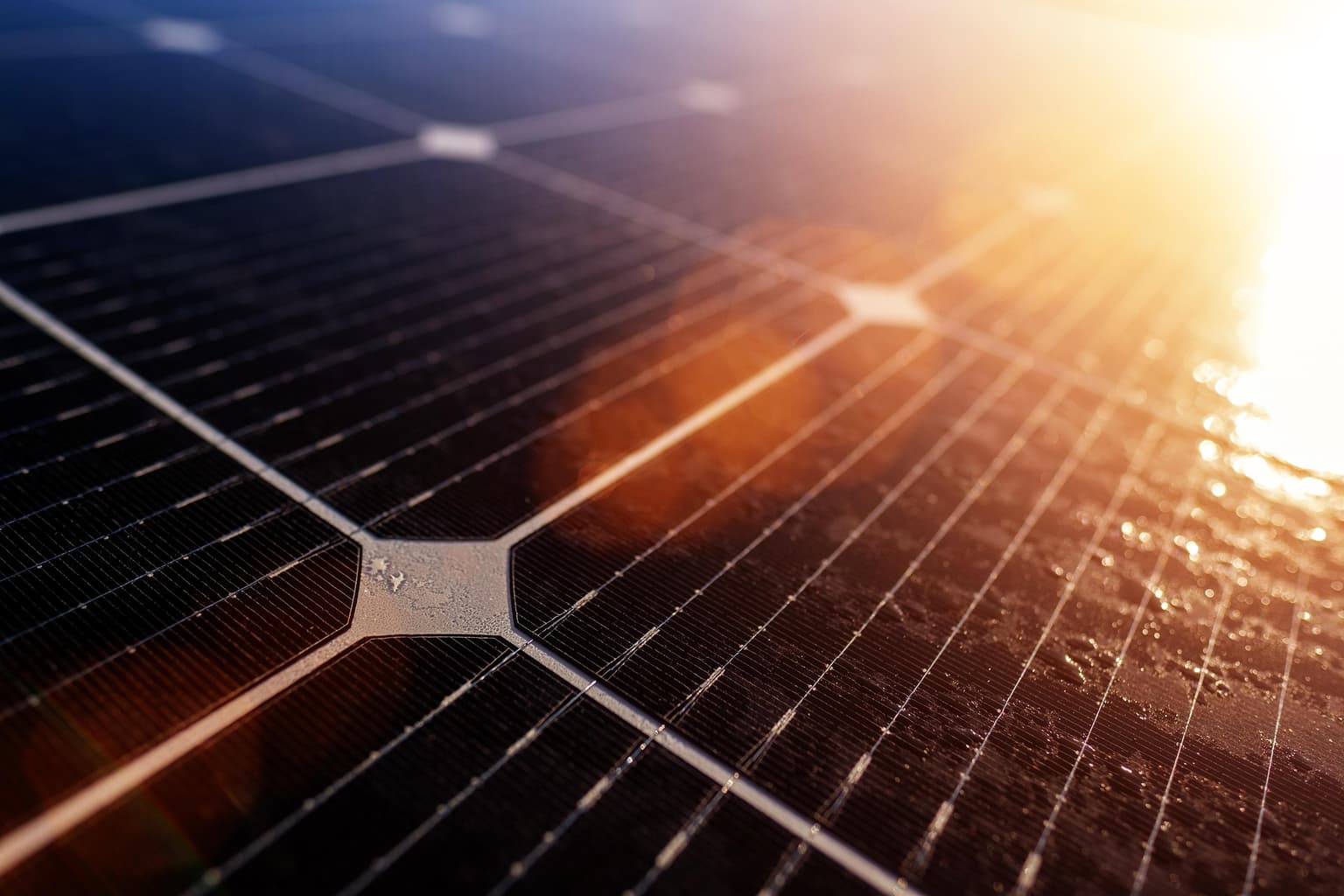
Electricity prices on European spot markets plunged well below zero last weekend. Strong output from solar power plants and low weekend demand drove prices down to hundreds of euros below zero. Belgium saw the steepest drop, but prices also collapsed on the Czech market, falling below -200 EUR/MWh.
Negative electricity prices on spot markets have been a long-running phenomenon in Europe. In recent years, negative or zero prices have become increasingly common, with last year by far setting a record. On the Czech day-ahead market alone, there were 314 hours of negative electricity prices last year (up 134% year on year) and 47 hours of zero prices (up 113% year on year).
Read the full article HERE.
4. Ukraine increases gas imports from Poland and Hungary as domestic production falls short

Ukraine has almost doubled its natural gas imports from abroad since the beginning of the month. The routes carrying gas into the country from Hungary and Poland are therefore operating close to full capacity. Russian attacks on the country’s energy infrastructure mean domestic production is not enough, and Ukraine may also import gas from other neighbouring countries.
Since the start of May, Ukraine has increased its net natural gas imports to around 140 GWh per day. According to Argus, that is almost double the April average of 73 GWh per day. The increase is being driven primarily by higher imports from Hungary, which have reached 103 GWh per day, close to the maximum. Flows from Poland have also risen, albeit by less.
Read the full article HERE.
5. ČEZ chief: The French are not seeking to win the dispute, but to prevent the plant from being built
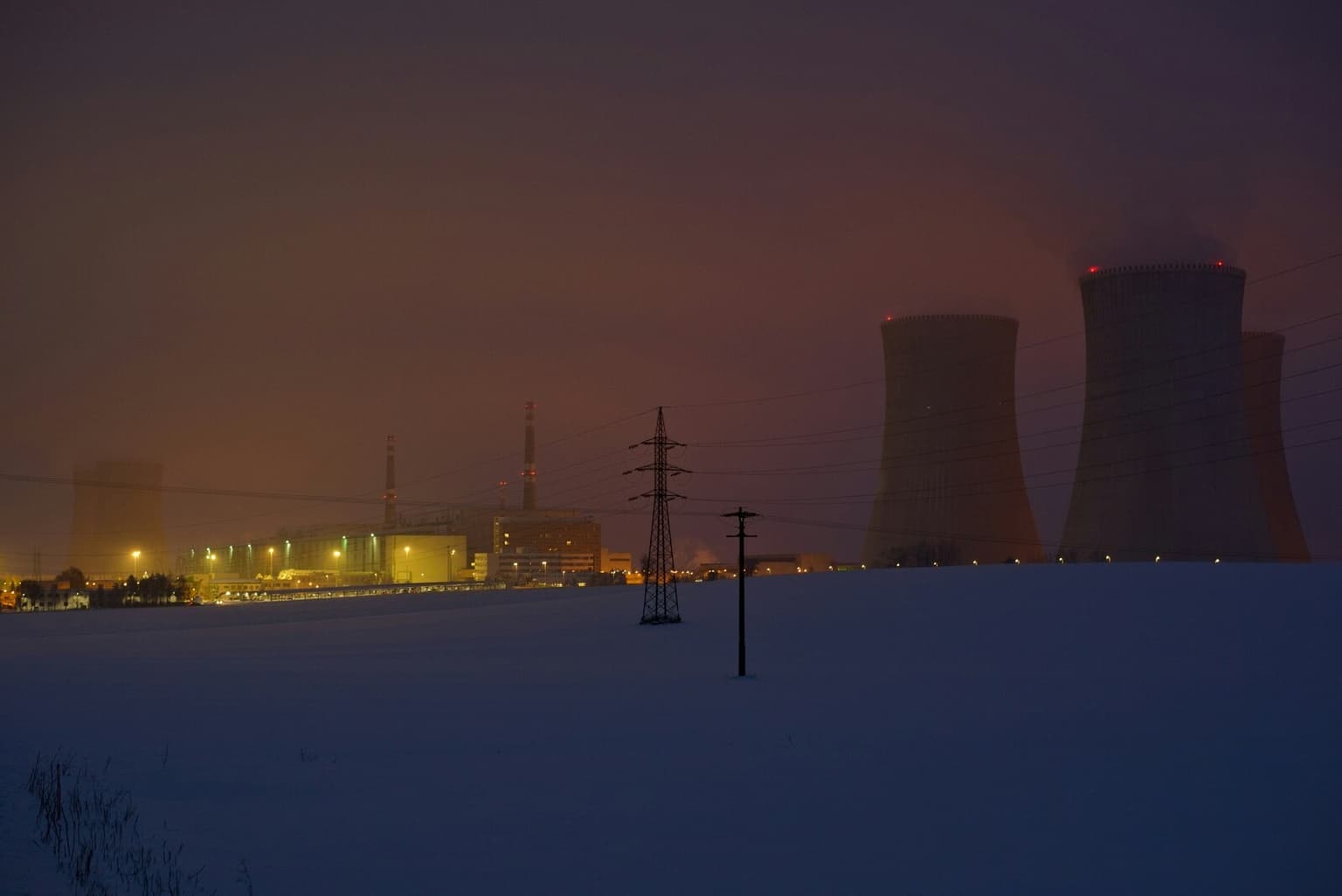
According to ČEZ chief Daniel Beneš, the French side is not seeking to win the dispute over the Dukovany expansion, but to prevent the plant from being built in Czechia at all. Beneš told journalists today in response to a letter sent to Czech Industry Minister Lukáš Vlček (STAN) by European Commission Vice-President Stéphane Séjourné. The EC is asking Czechia to postpone signing the contract to build two new nuclear units at the Dukovany plant. It is investigating whether South Korea’s KHNP received foreign subsidies that could distort the EU internal market.
South Korea’s KHNP won the tender, while French company EDF was unsuccessful. At EDF’s initiative, the Regional Court in Brno also blocked the signing of the final Dukovany agreement last week through an interim measure. Environment Minister Petr Hladík (KDU-ČSL) said he did not consider the timing of the EC letter to be a coincidence, nor the fact that it was sent by a French vice-president.
Read the full article HERE.
6. Analysts: A deal with KHNP for Dukovany cannot currently be ruled out
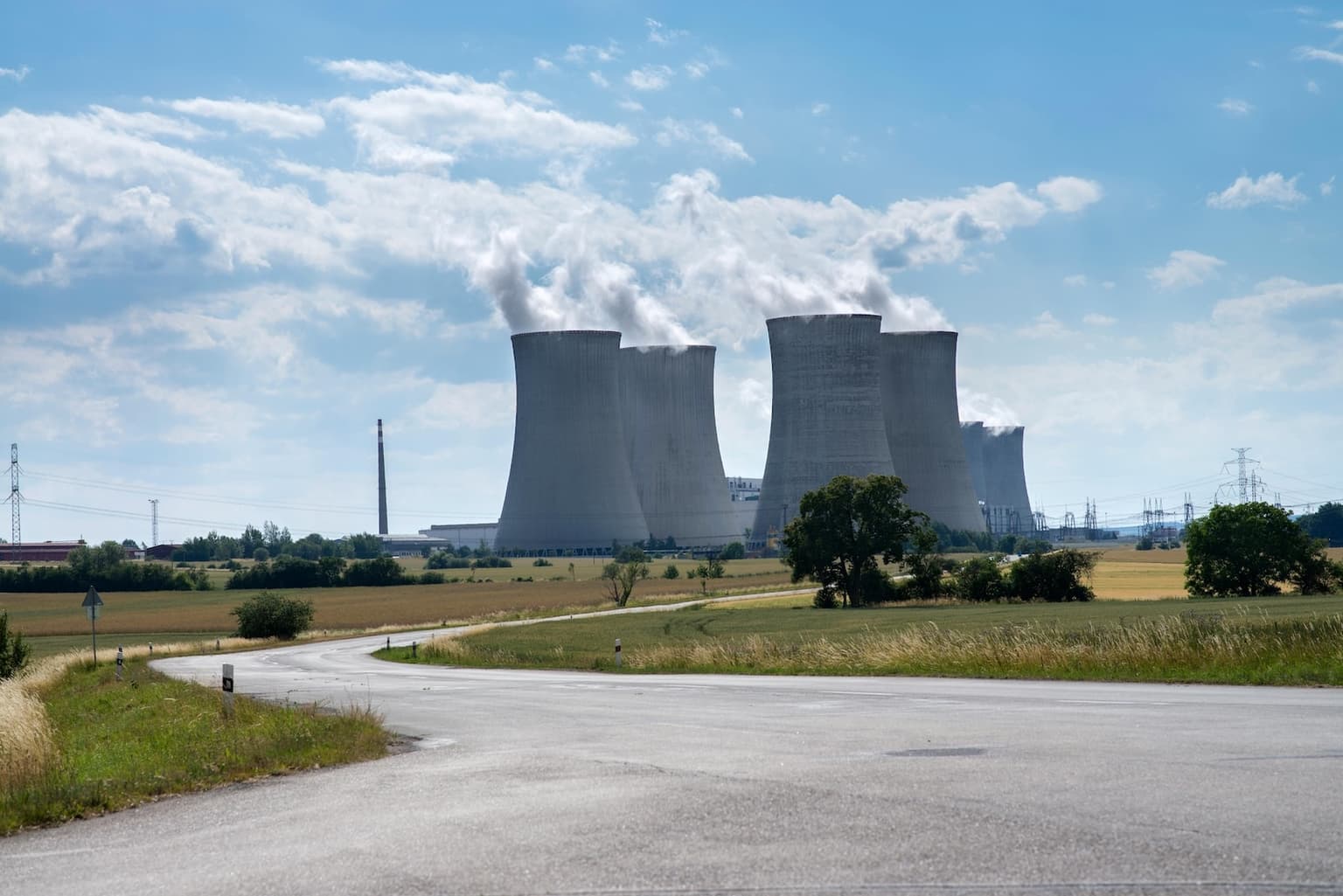
South Korea’s KHNP could withdraw from the contract to build new nuclear units at Dukovany because of new legal disputes, analysts contacted today by the Czech News Agency (ČTK) said. In that case, Czechia would have to reconsider the bid from French company EDF, they said. European Commission (EC) Vice-President Stéphane Séjourné, who is French, has now called for the signing of the construction contract to be postponed, while the Regional Court in Brno also blocked the signing of the final Dukovany agreement last week. French company EDF did not win the tender.
Experts say postponing the signing could mean the formal contract will not be signed until the next government is in office. “Whether this dispute is resolved under the current or the next government, any administration will be interested in completing the Dukovany project. Even if it ultimately turns out that political and legal circumstances make KHNP’s participation in the construction impossible, the French bid still stands,” said Jiří Gavor, an analyst at ENA and executive director of the Association of Independent Energy Suppliers (ANDE).
Read the full article HERE.
7. ČEZ: Coal-fired power generation will become uneconomic around the turn of 2027 and 2028
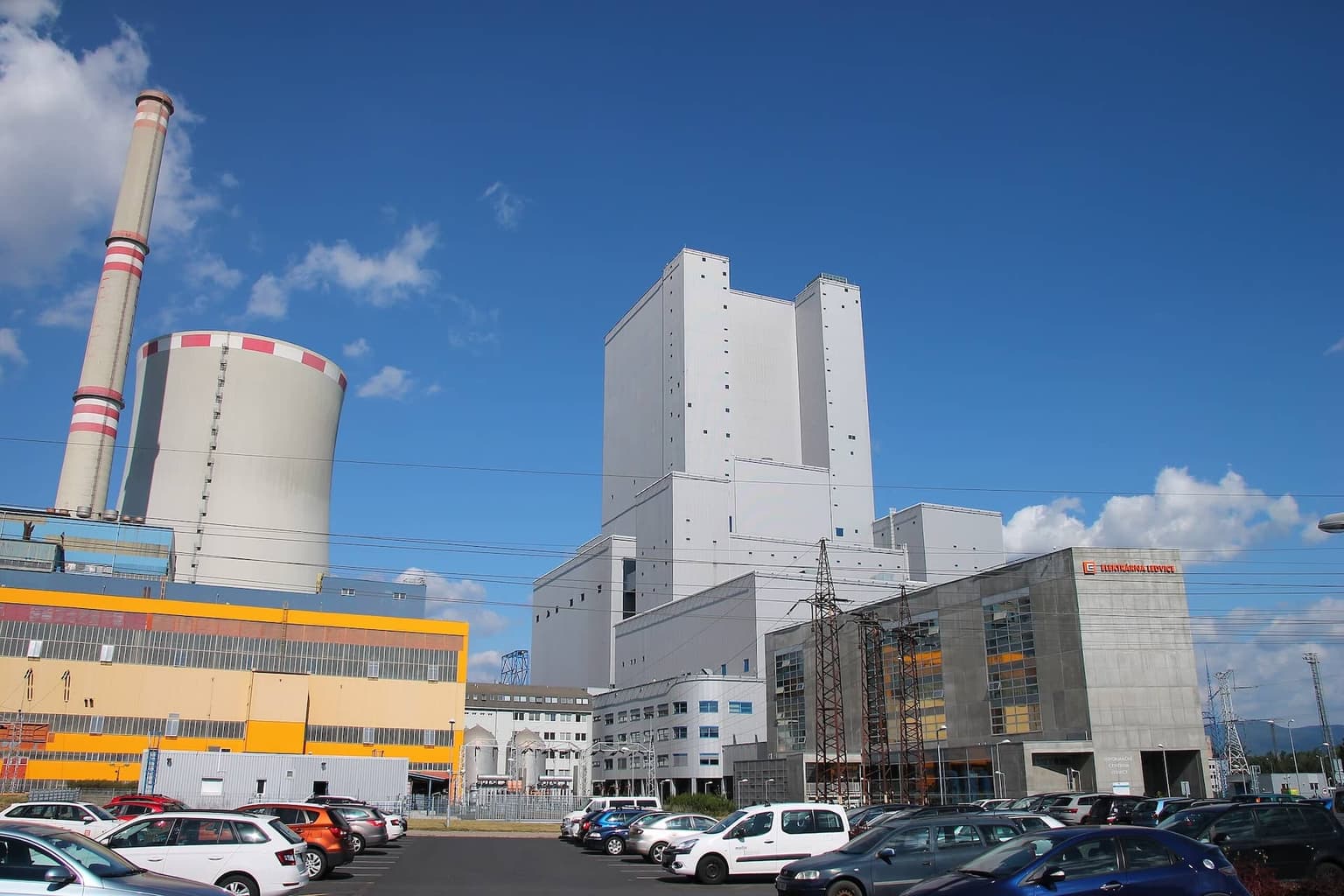
Based on current forecasts, generating electricity from coal at ČEZ power plants will become uneconomic around the turn of 2027 and 2028. The main reason is the expected rise in emissions allowance prices, which by then are projected to exceed the price of the electricity generated. ČEZ CFO Martin Novák told the Czech News Agency (ČTK). ČEZ does not plan to close any coal units this year.
“The economics of generation at coal-fired power plants are gradually worsening. Their operating profit is already falling quarter on quarter,” Novák said.
Read the full article HERE.
8. Study: Faster renewables growth will lower electricity prices and boost Czechia’s competitiveness
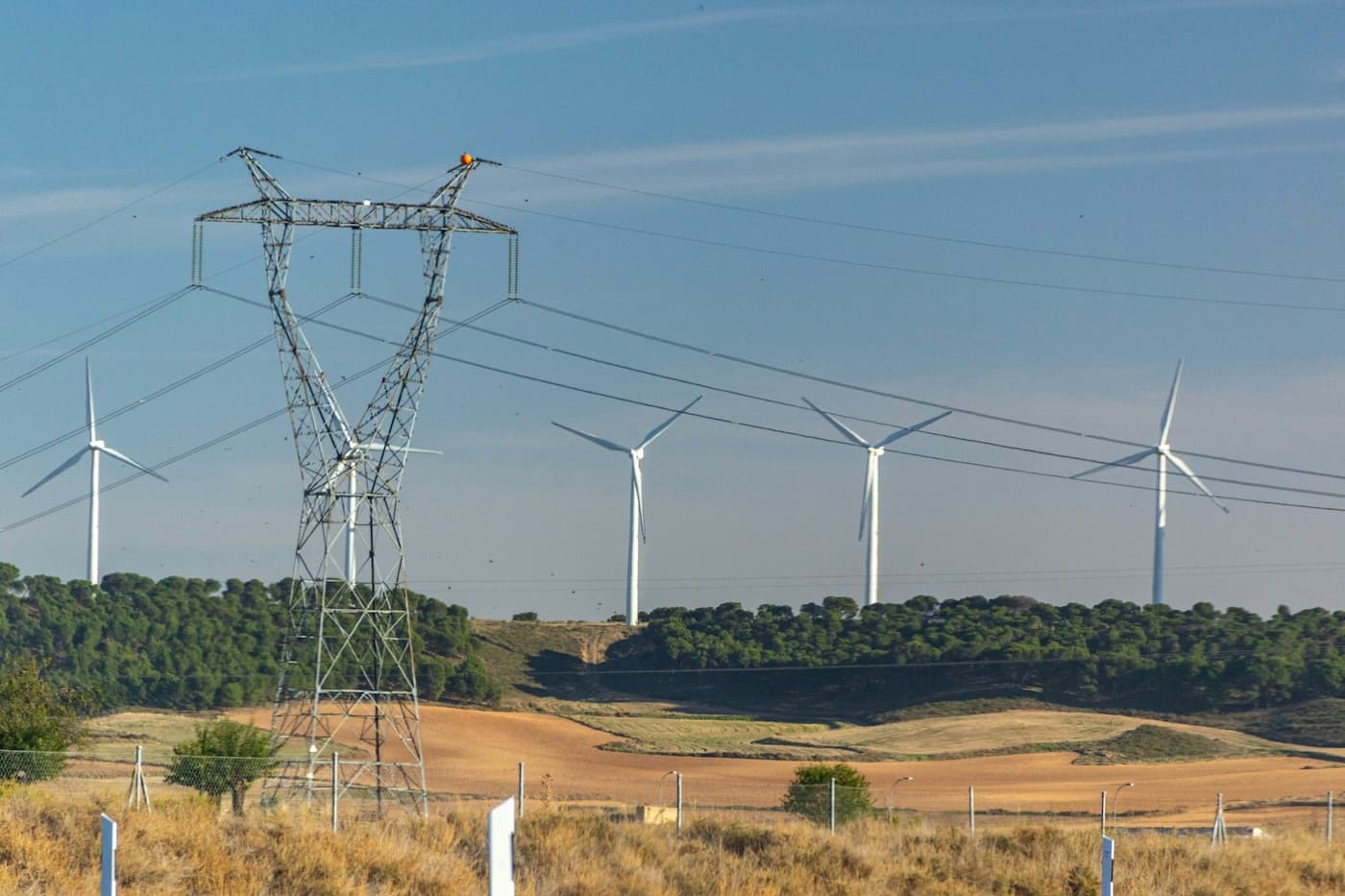
Greater development of renewable energy sources (RES) could lower wholesale electricity prices and improve Czechia’s competitiveness. It would also reduce reliance on electricity and gas imports and cut harmful emissions. With flexibility developed, electricity can be used effectively, while gas-fired generation can cover demand when output is low. This is according to a new study by the Modern Energy Union and the Facts on Climate project. The authors presented it at a press conference today.
According to the study’s authors, however, this requires faster permitting, a favourable financing environment for projects, sufficient flexibility, and a sensible design for the emissions allowance market.
Read the full article HERE.
9. Google to support preparation of three sites for new nuclear units

Google will support preparatory work to develop three sites for nuclear reactors. Under a strategic partnership, Google is planning at least 1.8 GW of new installed capacity, with an option to purchase clean electricity. More and more technology companies seeking stable, clean energy supplies are supporting the development of new nuclear projects.
US company Elementl Power announced that it had signed a strategic agreement with software giant Google to develop nuclear energy. The two companies aim to prepare new nuclear projects in the country.
Read the full article HERE.
10. European Commission asks Czechia to delay signing of Dukovany contract

Brussels, 12 May (Czech News Agency correspondent) – The European Commission is asking Czechia to postpone signing the contract to build two new nuclear units at the Dukovany plant. It is investigating whether South Korea’s KHNP received foreign subsidies that could distort the European Union’s internal market. This is according to a letter sent to Czech Industry and Trade Minister Lukáš Vlček by EC Vice-President Stéphane Séjourné, which the Czech News Agency (ČTK) was able to review.
The Regional Court in Brno has also blocked the signing of the final Dukovany agreement. South Korea’s KHNP won the tender, while French company EDF was unsuccessful.
Read the full article HERE.
Energostat: electricity generation in Czechia
Energostat: electricity generation in Germany
Find more up-to-date charts and data on Energostat
Translation disclaimer
This article is a machine translation of the Czech original and has not yet been fully reviewed. In case of any doubt, please refer to the Czech version.