Top 10 energy stories of the past week

This week, we once again bring you a carefully selected list of the ten most important articles we published on oEnergetice.cz. If you missed any of them, here is a selection of the stories that attracted the most interest from our readers. Best of luck in the week ahead!
1. Romania is taking steps to increase gas production. It could soon become an exporter
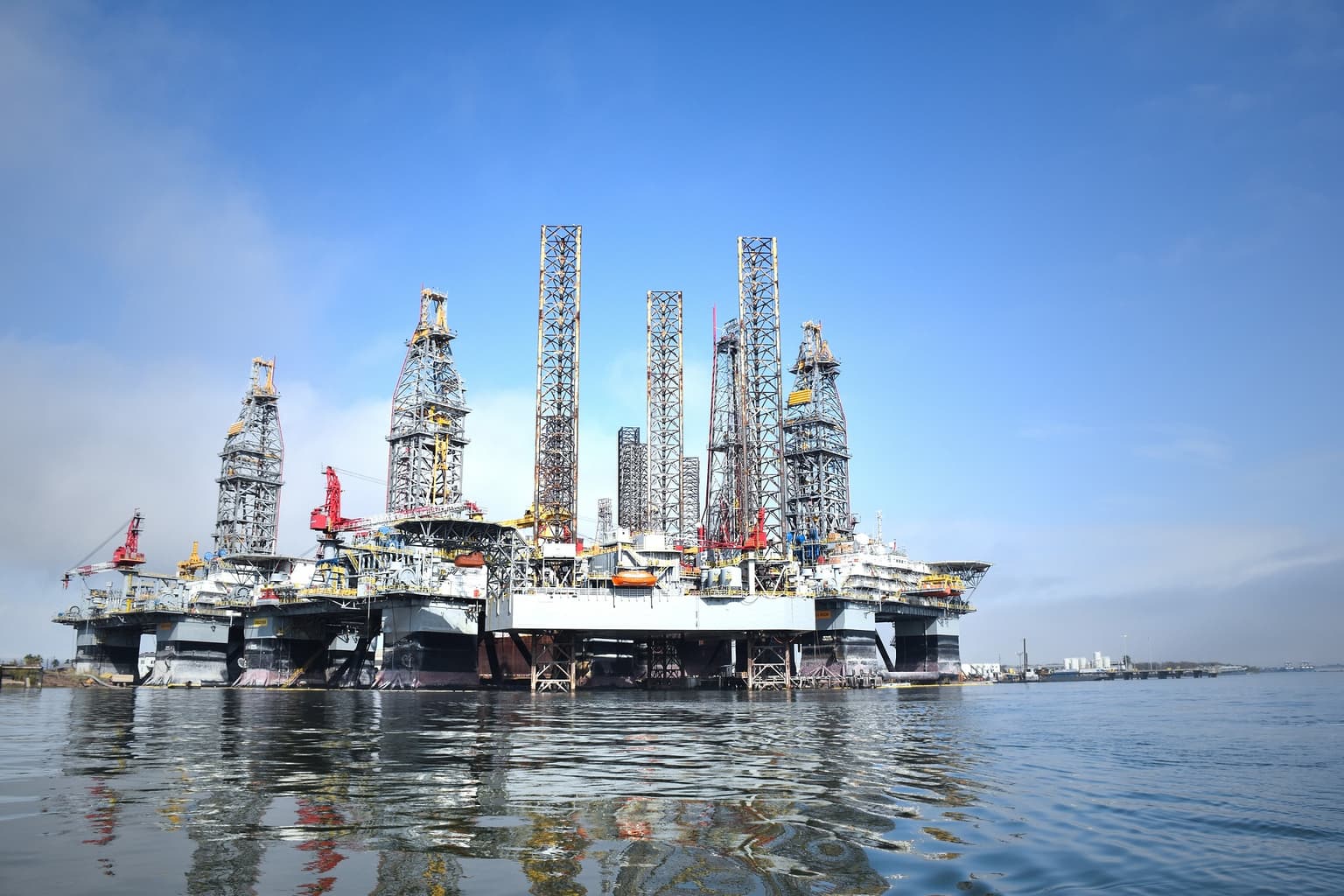
With Russian gas supplies having declined in recent years, a trend further compounded by the recent end of gas transit through Ukraine, Europe’s energy security is a frequent topic of discussion. The development of local natural gas production is progressing very slowly and on a limited scale, but new projects are on the horizon. One of them is the Neptun Deep gas field, which could enable Romania to become a gas exporter. The companies behind the project announced this week that they had begun drilling work several days earlier.
Romania is one of the EU countries that could become independent of natural gas imports in the near future. The development of production from the Neptun Deep gas field, located beneath the Black Sea, is expected to secure this independence. The field, whose development rights are held by OMV Petrom and state-controlled Romgaz, contains around 100 billion cubic metres of gas.
Read the full article HERE.
2. Energy regulator chief: Slovakia will end subsidies for renewables

Jozef Holjenčík, chairman of the Regulatory Office for Network Industries (ÚRSO), said he sees no point in continuing state support for renewable energy sources. Euractiv reports. This controversial statement comes at a time when Slovakia, according to the European Commission, is not meeting the European Union’s targets for increasing the share of green energy in the energy mix. Hundreds of renewable energy producers could be affected by the end of support.
The ÚRSO chairman’s negative stance on renewables is nothing new, however. Over the past month, Holjenčík has repeatedly said that the era of “green” speculators is over, stressing the need to return to “common sense”.
Read the full article HERE.
3. Canadian producers and opposition call for carbon pricing system to be scrapped
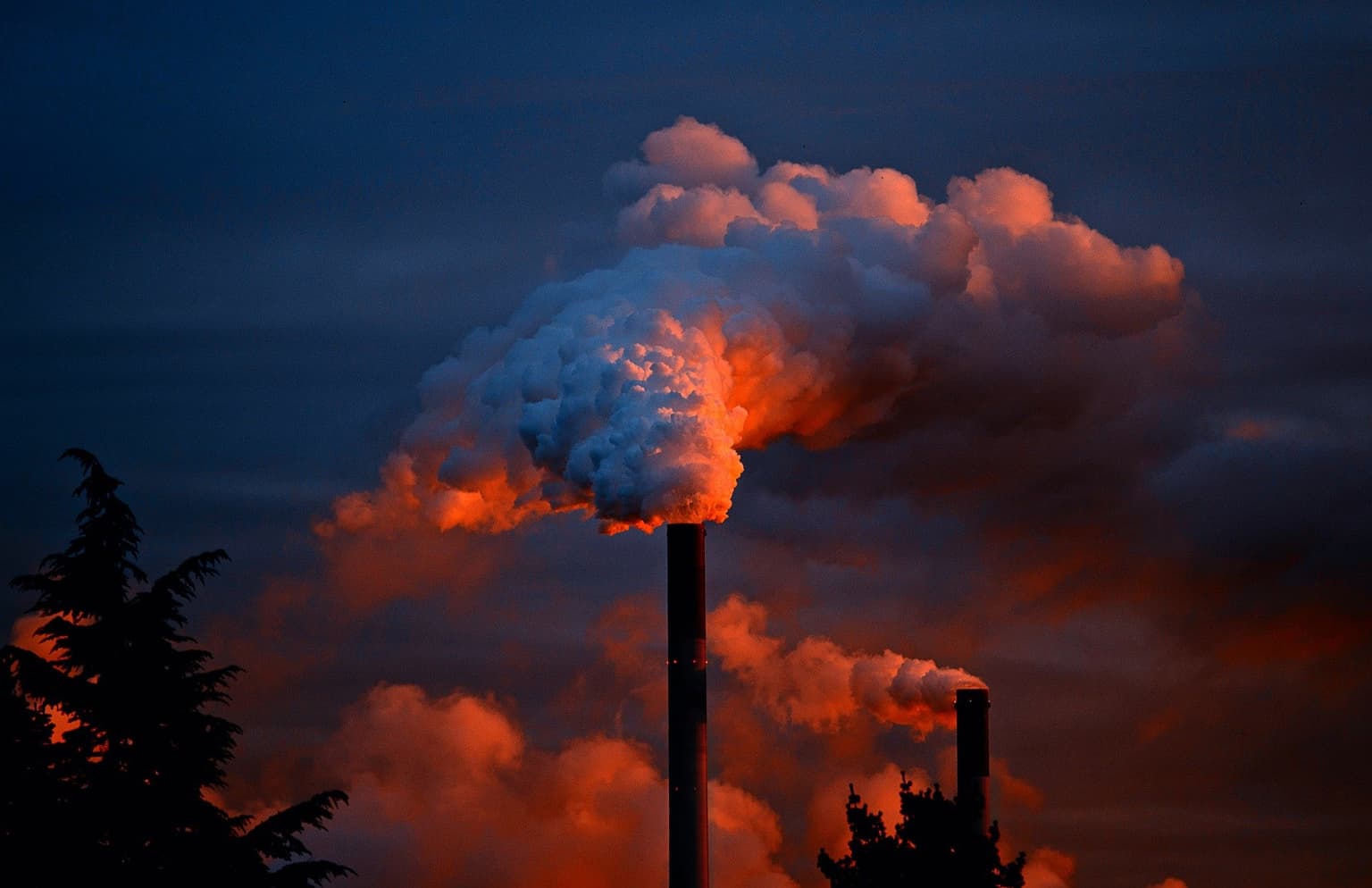
A group of Canadian oil and gas companies, together with representatives of the political opposition, called last week for the federal carbon pricing system to be scrapped. The system is similar to the European emissions trading system. Critics say the carbon tax harms the competitiveness of Canadian businesses, putting them at a disadvantage compared with countries without similar measures, such as the United States. Supporters, on the other hand, argue that it is key to maintaining trade relations with environmentally progressive partners.
A total of 14 oil and gas company executives, along with opposition politicians, called last week for the carbon pricing system to be scrapped. It has been in place in the country since 2019. As with the emissions allowances system in the European Union, the Canadian system primarily aims to reduce pollution in the energy sector and heavy industry. The letter’s authors argue that the national system puts Canada at a competitive disadvantage compared with jurisdictions without similar regulations, such as the United States.
Read the full article HERE.
4. Second EU hydrogen auction also oversubscribed, with 6.3 GW of electrolyzers applying
The second European hydrogen auction, organised by the European Hydrogen Bank, was oversubscribed, just like the first one, launched in November 2023. The total funding requested for projects involving the construction of 6.3 GW of electrolyzers amounts to €4.8 billion. That is four times the available budget for this auction from the Innovation Fund. The European Union’s Directorate-General for Climate Action reported.
According to the information released, the second pan-European hydrogen auction attracted 61 bids from 11 countries. That is roughly half the number of bids received in the first auction.
Read the full article HERE.
5. Germany enshrines climate neutrality in its constitution

As part of an agreement on Germany’s defence and infrastructure spending package, the Greens succeeded in getting a reference to climate neutrality added to the constitution. The amendment is considered a historic breakthrough in terms of its significance and legal implications, although most legal experts agree it will not have wider legal consequences, Euractiv reports.
On Tuesday, 18 March, the German Bundestag approved a major financial package at a special session, unlocking hundreds of billions of euros for defence, infrastructure and the fight against climate change. The proposal secured the required two-thirds majority, with 513 of 733 MPs voting in favour. The approved package is a key step towards a new government led by Chancellor Friedrich Merz, whose conservative CDU/CSU alliance put it forward together with the Social Democratic Party (SPD).
Read the full article HERE.
6. France: A clash between nuclear and solar power
The French government has cut its 2030 solar energy target by 10%. Falling electricity consumption and rising renewable generation are putting pressure on nuclear power. Experts warn that instead of conflict between nuclear and renewable energy, France should focus on speeding up its shift away from fossil fuels.
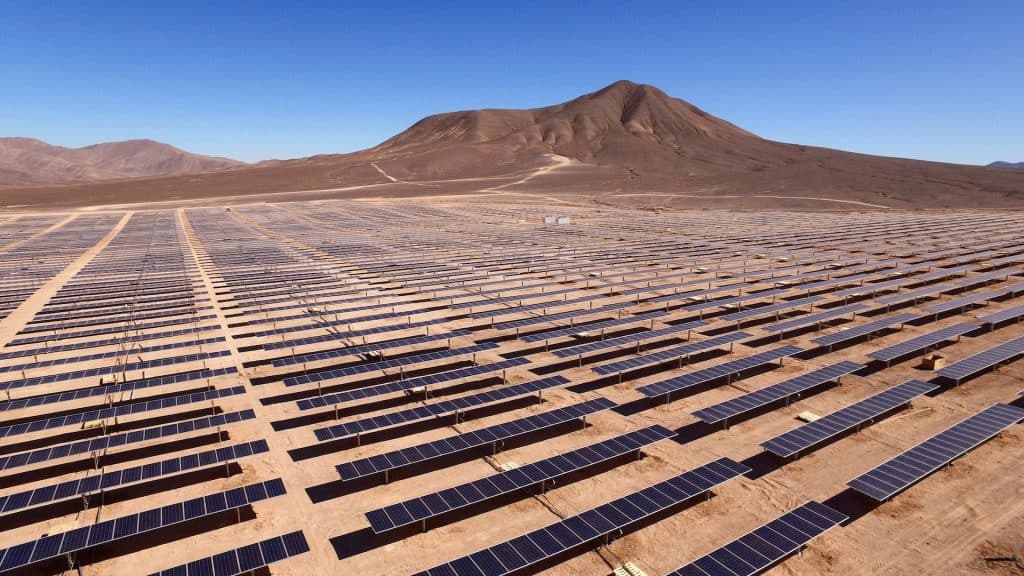
In its latest draft of the long-term energy programme, the French government has reduced its target for installed solar capacity in 2030 by 10% to 65–90 GW. At the end of 2024, a total of 23.7 GW of solar capacity was connected to the grid, according to French transmission system operator RTE, with 4.7 GW newly connected last year.
Read the full article HERE.
7. The Suez Canal as a green corridor: Siemens Gamesa wins major contract
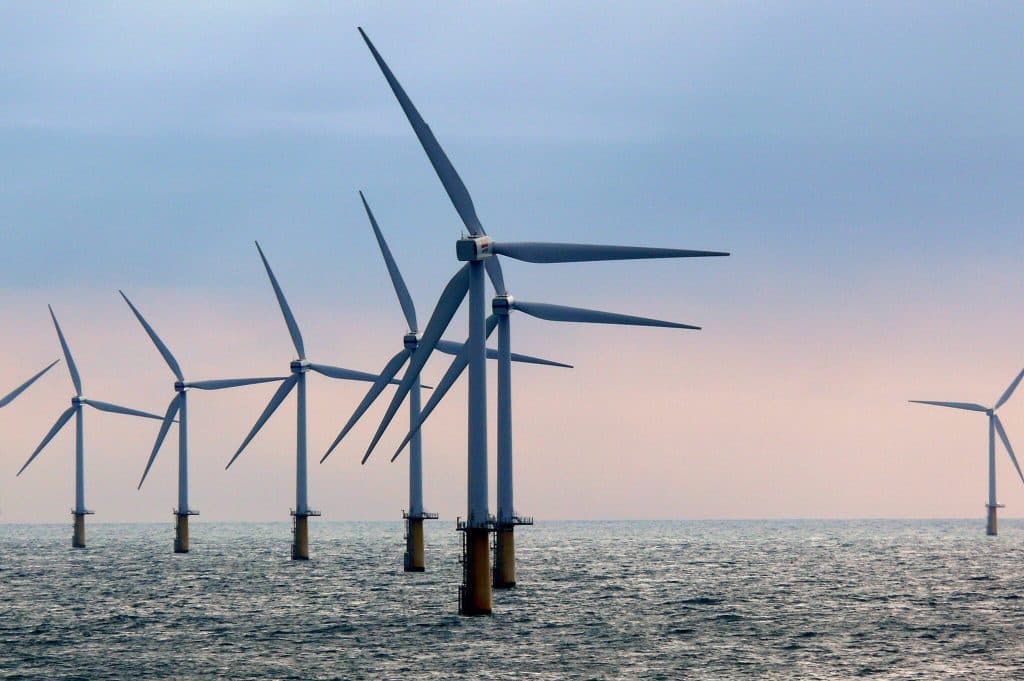
Spanish-German company Siemens Gamesa secured a major contract last week to build, finance and operate a 500 MW wind farm near the Suez Canal. The project is part of Egypt’s ambitious plan to create the so-called Suez Canal Economic Zone (SCZONE). The area around the canal is set to become a hub for large-scale renewable energy production, used, among other things, to produce green hydrogen and ammonia. Egypt has big ambitions for the region. It aims to become a key player in renewable electricity generation, green hydrogen and ammonia production, and their export, particularly to Europe.
The Siemens Gamesa contract comes at a time of intense competition between European and Chinese companies for project contracts in the Suez Canal area, reflecting broader geopolitical and economic dynamics.
Read the full article HERE.
8. Russia starts construction of another nuclear unit at the Leningrad plant
Construction workers at the Leningrad Nuclear Power Plant have officially started building the fourth VVER-1200 unit with the first pour of concrete. The first two units of the plant’s second phase are already in operation, while Russia began construction of the third last year. The units under construction are scheduled for completion in 2030 and 2032, replacing the ageing RBMK reactors from the plant’s first phase.
Russian energy company Rosatom announced that it had officially started construction of another new unit at the Leningrad-II plant. The first concrete pour for the plant’s fourth VVER-1200 unit took place at a ceremony on 20 March.
Read the full article HERE.
9. Czech households begin contributing to the stability of the domestic electricity grid
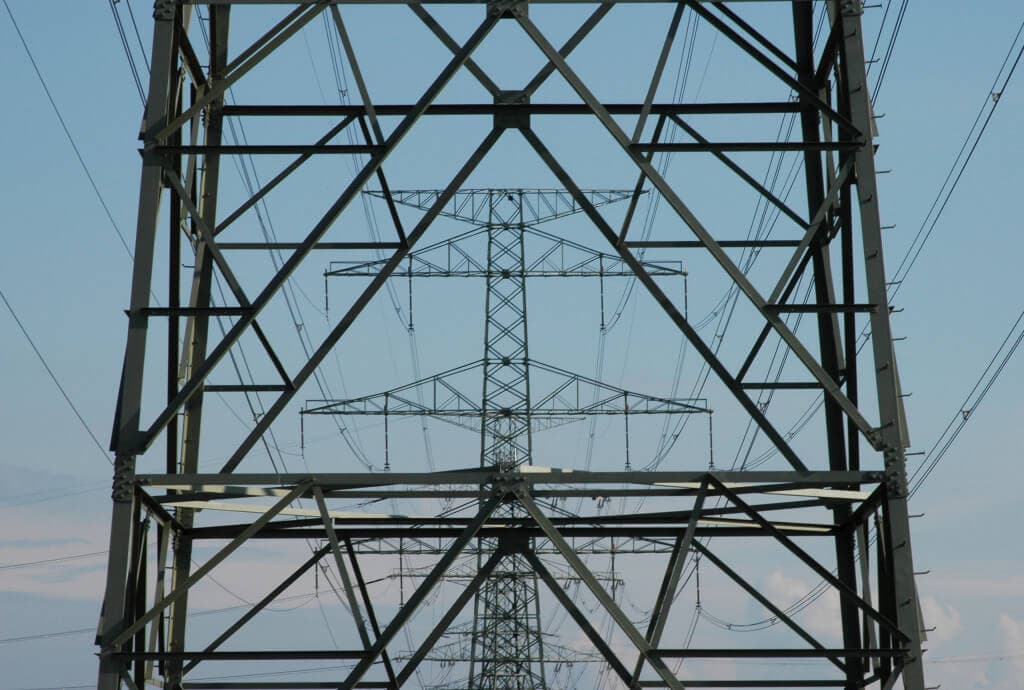
Czech households have started earning money by providing balancing services to the domestic electricity grid. Czech company Delta Green has launched a platform that households with solar panels and batteries can join. They draw electricity from or feed it into the grid over short intervals, depending on the grid’s needs. According to the company, they could save thousands of korunas a year on energy. The transmission system operator ČEPS can then use these balancing services. The companies told the Czech News Agency (ČTK) today.
Until now, industrial resources have helped balance the grid in Czechia. Households are now beginning to join them. In recent weeks, Czech energy company Delta Green, together with ČEPS and Nano Energies, has certified a one-megawatt aggregation block made up entirely of households. Through an aggregator, they will supply or draw electricity as needed, according to defined parameters. On average, this should happen several times a day for a few minutes at a time. The companies say this will not disrupt households’ normal operations.
Read the full article HERE.
10. 47% of EU electricity came from renewable sources last year
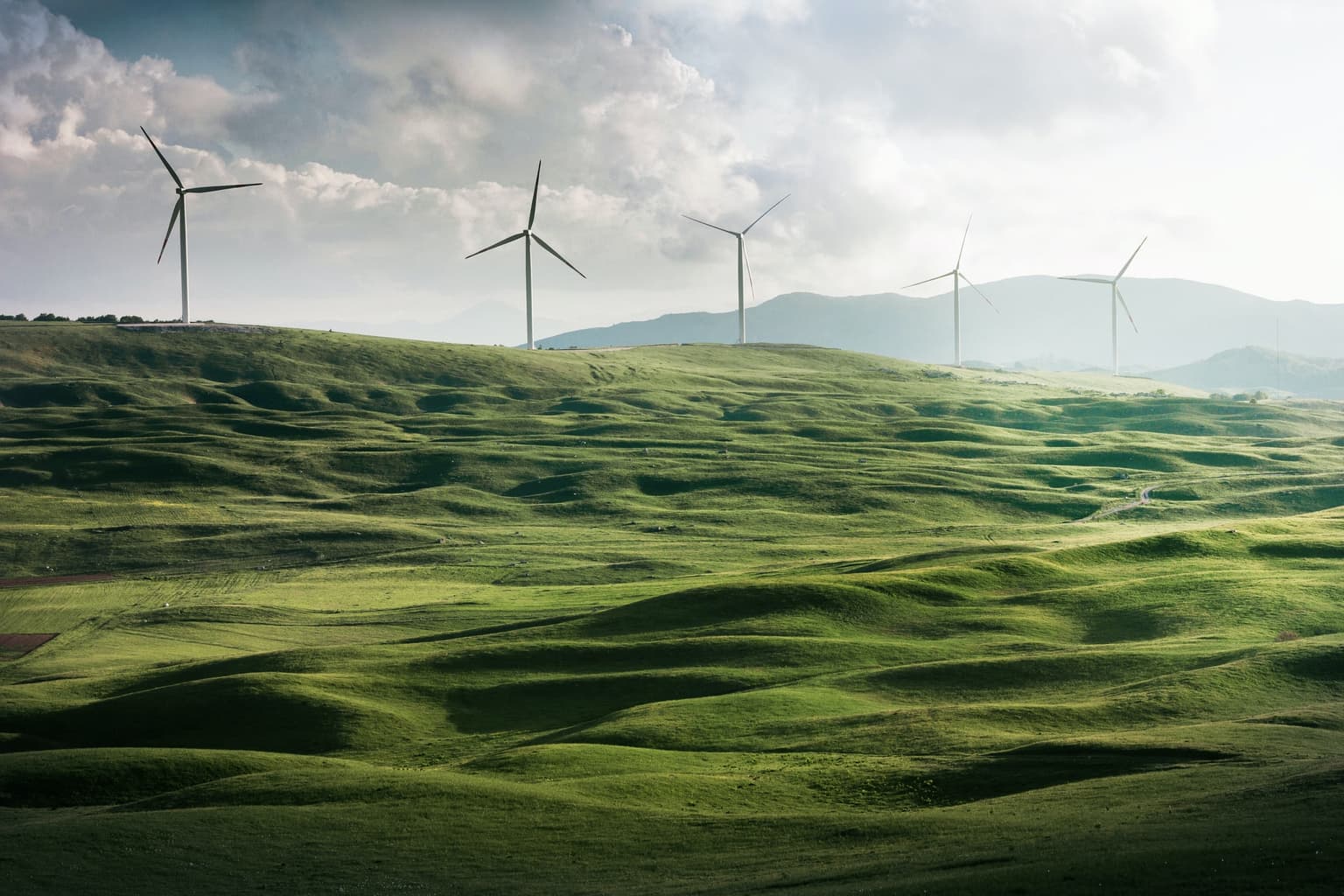
The European Union made significant progress in renewable energy in 2024, with 46.9% of electricity generated from renewable sources. Energy imports from outside the EU also fell that year.
According to Eurostat, Denmark led EU countries in renewable electricity generation, with 88.4%, mainly from wind power. Portugal followed closely with 87.5%, using both wind and hydropower, while Croatia reached 73.7%, primarily from hydropower.
Read the full article HERE.
Energostat: electricity generation in Czechia
Energostat: electricity generation in Germany
More up-to-date charts and data are available on Energostat
Translation disclaimer
This article is a machine translation of the Czech original and has not yet been fully reviewed. In case of any doubt, please refer to the Czech version.