26 October 2026, 19:59
Loading...
Top 10 energy stories of the past week
oEnergetice.cz
28 December 2025, 20:55

This week, we’re once again bringing you a carefully selected list of the ten most important articles published on oEnergetice.cz. If you missed any of them, here’s a roundup of the stories that caught our readers’ attention the most. Good luck in the week ahead!
1. Brussels warns Hungary: You are violating EU arbitration rules, sanctions loom
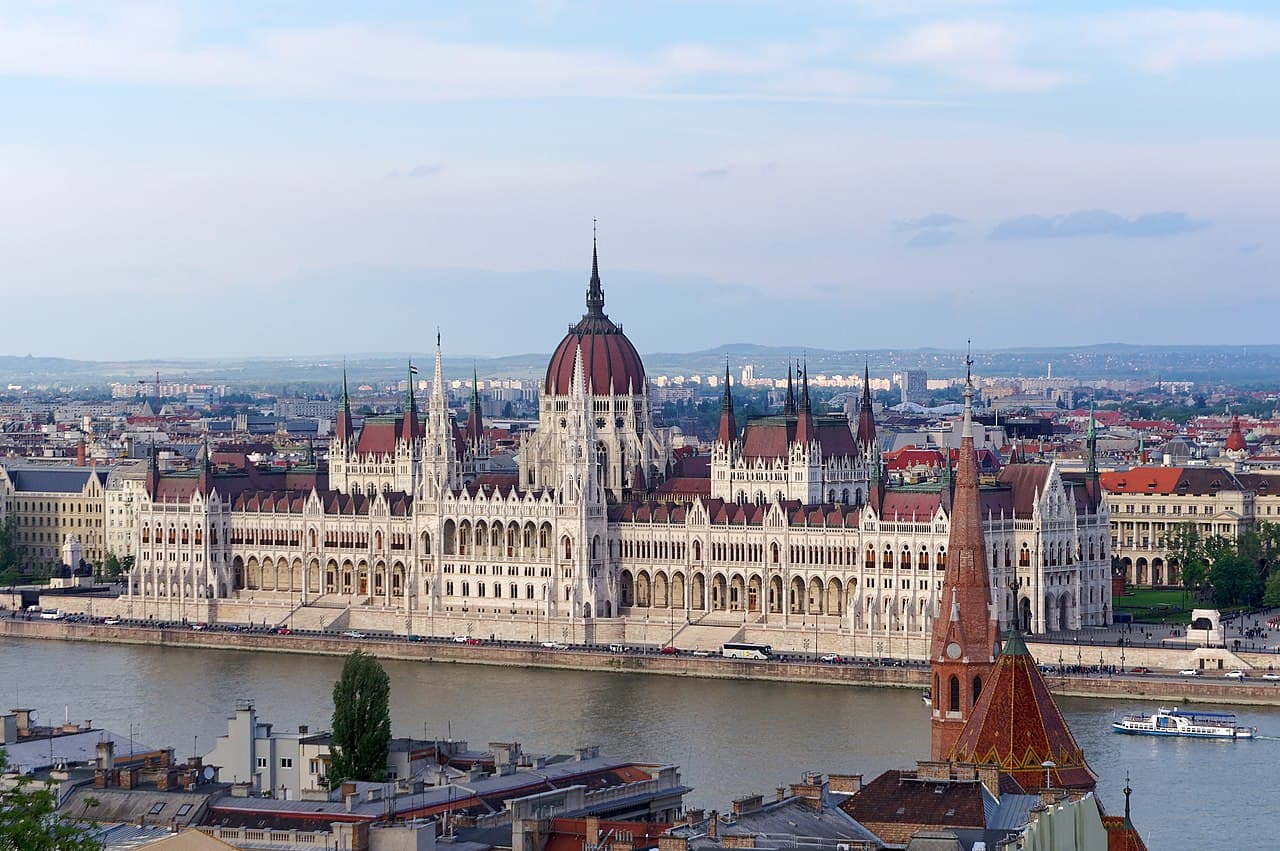
The European Commission has called on Hungary to comply with EU rules on investor-state arbitration. Brussels has also launched infringement proceedings by sending a formal notice. This means domestic energy companies are not entitled to sue the governments of other EU member states, a position Budapest rejects.
The European Union is warning Hungary that further legal action will follow if it fails to remedy its conduct. The dispute stems from the country allowing state-owned oil company MOL to use the controversial Energy Charter Treaty to sue another EU member state. Such a move, however, directly contradicts a ruling by the European Court of Justice.
Read the full article HERE.
2. Japan to restart the world’s largest nuclear power plant in January

Japan’s Tokyo Electric Power Company (TEPCO) plans to restart one of the units at the Kashiwazaki-Kariwa nuclear power plant in January. With an installed capacity of more than 8 GW, it is the world’s largest nuclear power plant. The plant was shut down after a powerful earthquake and devastating tsunami led to the accident at the Fukushima Daiichi plant. TEPCO is currently planning a partial resumption of operations.
In early September, the Japanese government approved several steps intended to help bring the nuclear power plant back into operation. TEPCO has been planning to restart the plant for some time, which is expected to help the company reduce its electricity generation costs. Japan’s nuclear regulator lifted the ban on operating the plant last December. The ban had been imposed in 2021 over several safety shortcomings.
Read the full article HERE.
3. Hydrogen is key to Germany’s decarbonization, but progress is far behind expectations

Germany’s Energiewende relies on hydrogen as a key element in achieving climate neutrality, particularly in sectors that cannot be efficiently electrified and as a way to use renewable energy surpluses. At the same time, it is clear that the hydrogen economy is developing more slowly than ambitious targets require. Both production and demand are growing too slowly, while the future of gas networks is also uncertain. A government expert commission is calling for systemic changes to Germany’s hydrogen strategy.
Hydrogen plays a key role in Germany’s transition to a low-carbon economy. It serves both as an energy carrier for sectors that cannot easily be electrified, such as some industrial processes in the engineering, chemical and steel industries, and as a means of flexibly storing surplus renewable energy using electrolyzers.
Read the full article HERE.
4. German nuclear unit Brunsbüttel gets approval to dismantle reactor pressure vessel

Eighteen years after it was shut down, Germany’s Brunsbüttel nuclear power plant has reached an important milestone. The environment ministry has approved the second phase of decommissioning, which includes dismantling the reactor pressure vessel. Decommissioning of the 771 MW unit has been underway since 2018, and the operator expects it to continue until 2035. During more than 30 years of operation, the plant generated around 130 TWh of electricity. A battery storage facility is due to be built at the site by 2028.
Energy company Vattenfall announced that it had received the second and final permit to dismantle the nuclear unit at Germany’s Brunsbüttel power plant. The boiling water reactor unit, located near Hamburg, ceased operations in 2007. Vattenfall received the first dismantling permit in 2018, when the unit moved from the post-operational phase into decommissioning.
Read the full article HERE.
5. Japan plans to end support for large-scale solar parks
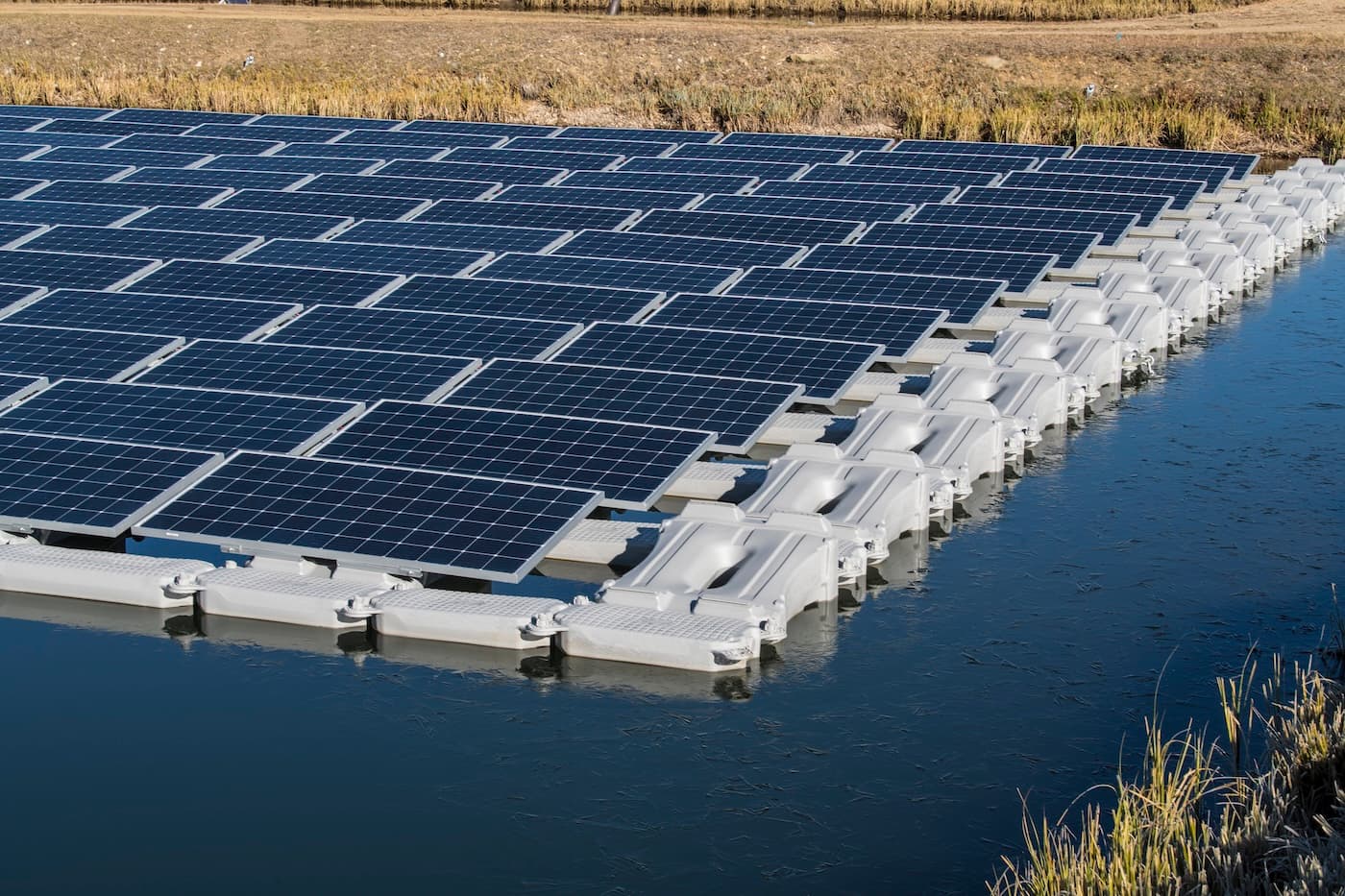
The Japanese government will tighten regulations and end financial support for large-scale solar projects to protect the natural environment, ensure safety and preserve the landscape. Among those advocating restrictions on large-scale solar projects is Japanese Prime Minister Sanae Takaichi.
Japan is considering ending support for large-scale solar parks through feed-in tariff and feed-in premium schemes. These schemes either guarantee renewable energy producers a fixed price for their electricity over a set period or allow them to sell electricity on the market while receiving a premium on top of the market price.
Read the full article HERE.
6. Battery-electric car registrations in the EU rose 28% year on year over 11 months
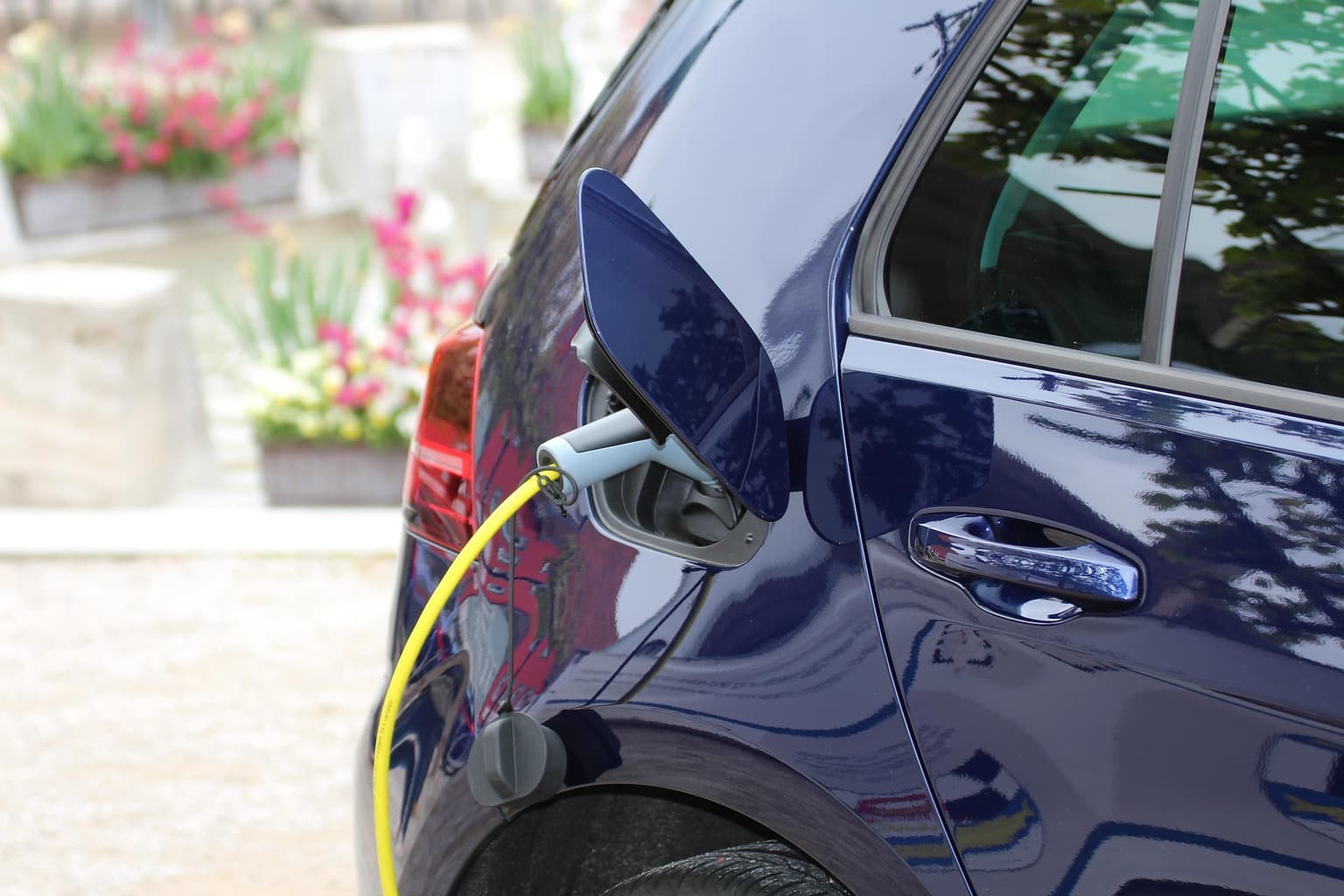
Registrations of battery-electric passenger cars in EU countries rose 27.6% year on year between January and the end of November. The increase in Czechia was similar, at 26.7%, but the share of electric cars is significantly lower there than in the EU as a whole. Electric cars accounted for 16.9% of registrations in the EU, compared with just 5.5% in Czechia. Lukáš Kadula of the Transport Research Centre said in a press release today, citing data from the European Automobile Manufacturers’ Association and other sources, which he also analyzes for the Clean Transport website.
A total of 9.86 million passenger cars were registered in the EU during the first 11 months of this year, up 1.4% year on year. While Spain, for example, saw strong growth, Germany stagnated and France and Italy recorded declines. Registrations in Czechia rose by six percent. Hybrid vehicles led the EU market this year with a share of more than a third, up on last year. Petrol cars ranked second with 27%, although their share fell compared with last year. Battery-electric cars accounted for 16.9% this year. The share of diesel cars continued to decline, falling below ten percent. Plug-in hybrids had a nearly identical share this year, but their registrations rose sharply.
Read the full article HERE.
7. Russia brings its first domestically built LNG tanker designed for Arctic operations into service
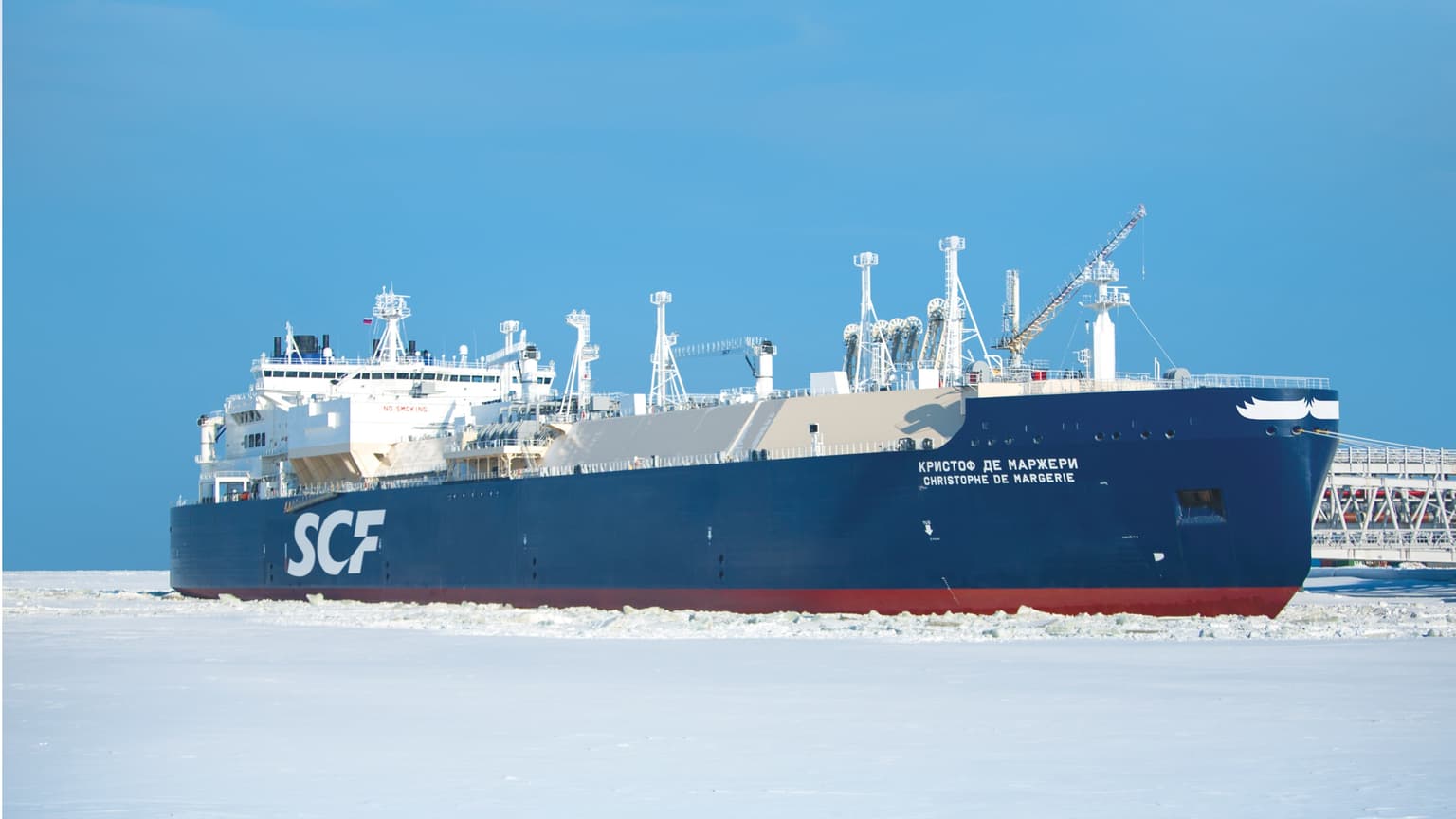
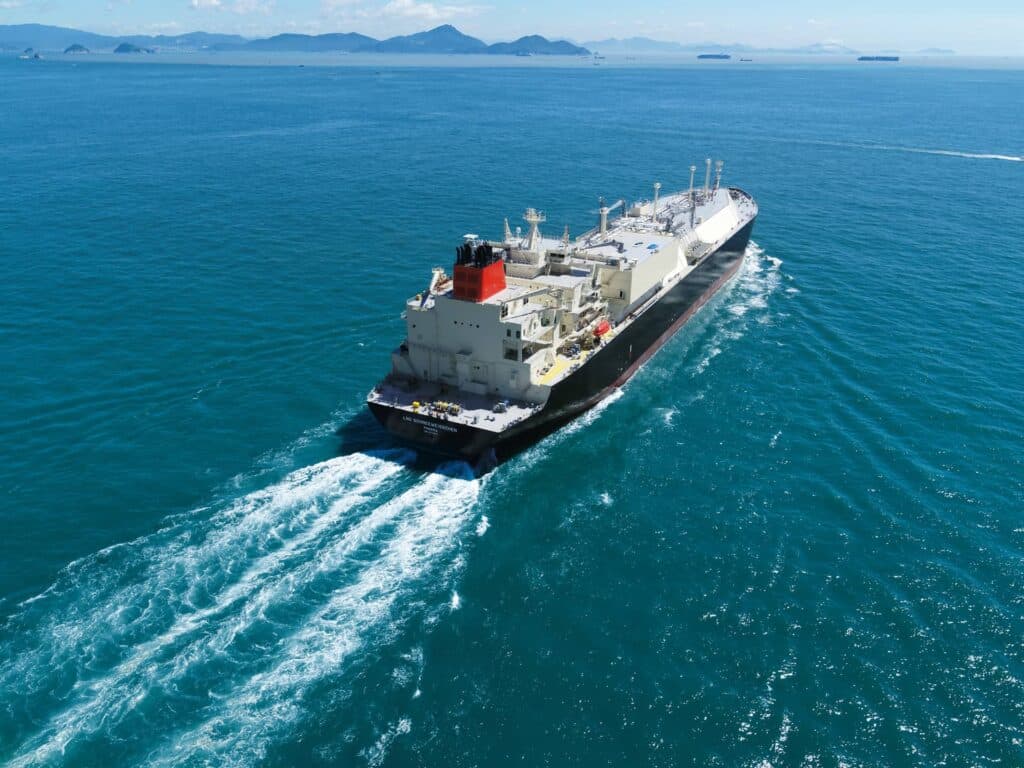
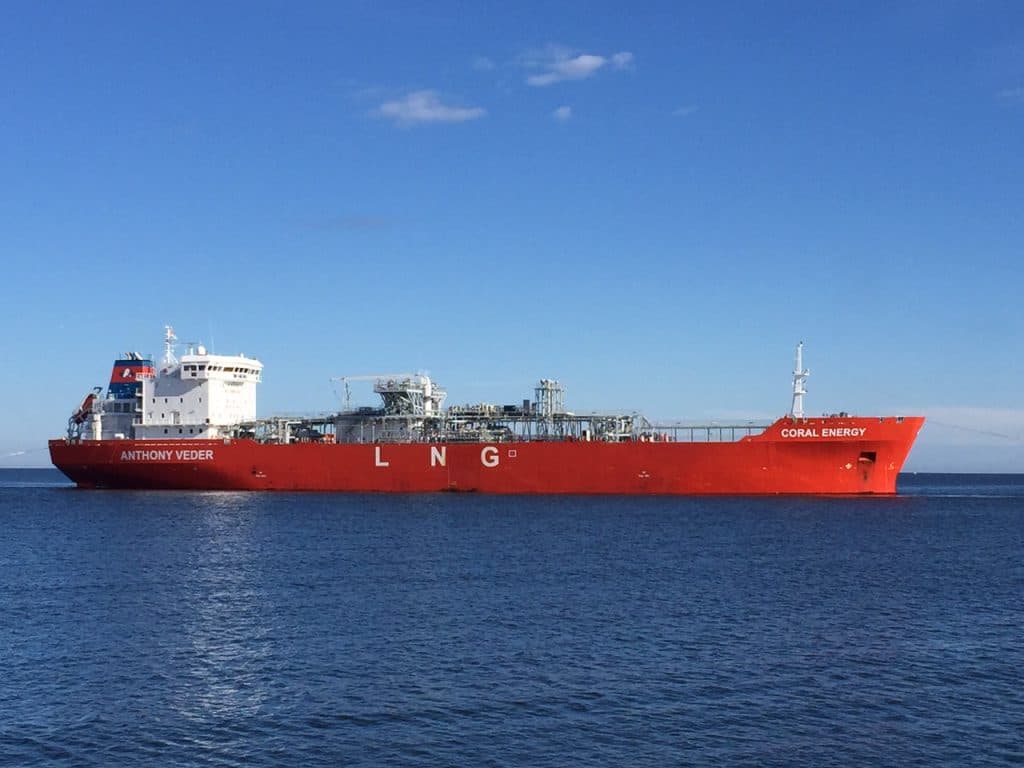
Russian shipping company Sovcomflot has received the first Russian-built liquefied natural gas (LNG) carrier designed to operate in Arctic conditions. Russia has strong ambitions in the global LNG market, but in recent years these have run up against Western sanctions, including in the LNG shipping sector. Russia must now rely solely on domestic shipbuilder Zvezda, as other tanker suppliers cancelled their orders over the threat of sanctions.
In recent years, Russia has sought to offset lost revenue from natural gas sales to Europe by increasing LNG exports. However, the country faces a shortage of suitable tankers capable of navigating Arctic waters covered by a thick layer of ice. The lack of suitable vessels is one of the major challenges for the Arctic LNG 2 terminal, which is under Western sanctions. Despite this, Russia has begun shipping liquefied gas to China through the terminal in recent months.
Read the full article HERE.
8. Cheap electricity in France: stagnant demand holds back investment

France is entering the second half of the decade in a paradoxical situation. On the one hand, it has relatively cheap electricity, high nuclear plant availability and rapidly growing renewable generation. On the other, it faces long-term stagnant demand, undermining the economic viability of investment in both renewables and new nuclear units, reports Argus Media.
Electricity prices on the French market remain low. In December, the annual contract for delivery in 2026 traded at around 50 euros per MWh, well below price levels in 2024 and 2025. There are several reasons: cheaper gas, growing installed capacity of solar and wind power, and, above all, the recovery of France’s nuclear fleet to good operating condition after problems in previous years.
Read the full article HERE.
9. Surging demand: data centers bring a power plant in Chicago’s “Czech” neighborhood back into play

Electricity demand in the United States is growing at a rate the energy infrastructure has not experienced for decades. The main driver is data centers powering artificial intelligence systems, whose computing requirements call for a constant and reliable energy supply. This pressure is now bringing very old fossil-fuel plants back into service. One of them is a coal-fired power plant in Chicago, built in 1968. It is located in the working-class neighborhood of Pilsen, historically associated with Czech immigration.
An aging power plant in the heart of a “Czech” neighborhood
The industrial site on Cermak Street, by the edge of Dvorak Park, has been important to Chicago’s energy sector for more than a century. A coal-fired power plant was built here in 1903, becoming an integral part of the working-class neighborhood of Pilsen, named after the West Bohemian city. At the time, the area was home to a large community of immigrants from Bohemia and Moravia, whose legacy remains not only in street names but also in cultural institutions and public spaces.
Read the full article HERE.
10. Germany to bring Europe’s largest green hydrogen production facility online

RWE is developing green hydrogen production in Germany. Following a successful pilot project in Lingen, it has begun commissioning what is set to be Europe’s largest facility of its kind. The hydrogen produced will be supplied to TotalEnergies’ refinery in Leuna, supporting its planned decarbonization.
In the summer of 2024, RWE commissioned a new electrolyzer at the Emsland gas-fired power plant site. Using electricity from renewable sources, it can produce up to 270 kilograms of green hydrogen per hour. RWE said the pilot project was the first practical step toward building large-scale electrolysis capacity. With an installed capacity of 14 MW, it tested on a small scale what it planned to build just a few meters away at a scale of hundreds of megawatts. After gaining operational experience, the company announced in December that the project was moving to the next phase.
Read the full article HERE.
Energostat: electricity generation in Czechia
Data in this chart is also available in 15-minute resolution60min15min
Energostat: electricity generation in Germany
Data in this chart is also available in 15-minute resolution60min15min
More up-to-date charts and data are available on Energostat.
Translation disclaimer
This article is a machine translation of the Czech original and has not yet been fully reviewed. In case of any doubt, please refer to the Czech version.
Sdílejte článek prostřednictvím:
Topics:Energy Weekly
You might also like
26 October 2026, 14:24