Top 10 energy stories of the past week
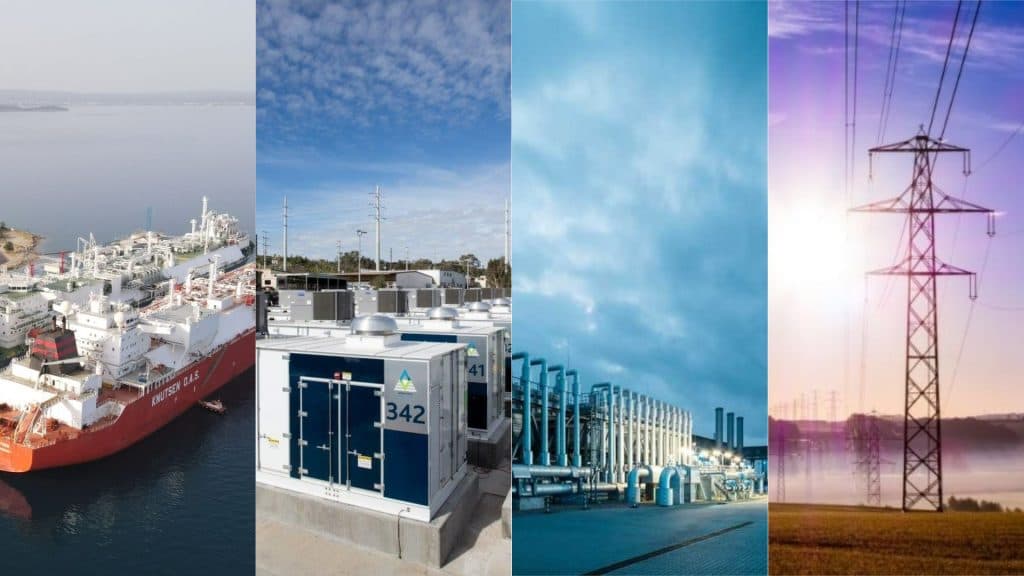
This week, we once again bring you a carefully selected list of the ten most important articles we published on oEnergetice.cz. If you missed any of them, here is a selection of the articles that attracted the most interest from our readers. Good luck in the new week!
1. The EU is unlikely to have enough LNG available to refill gas storage before winter
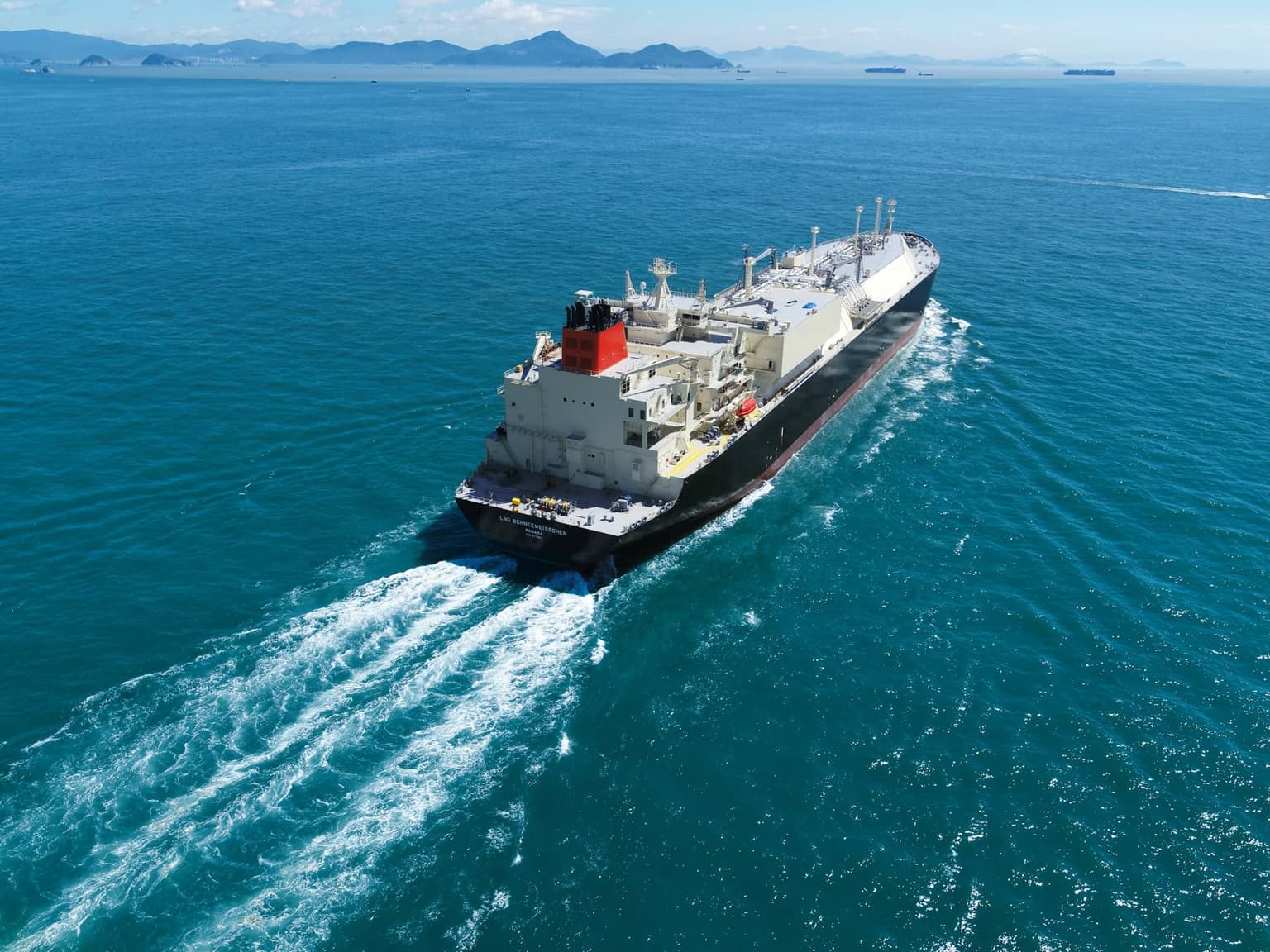
European natural gas storage facilities finally began filling at the start of April. However, analysts from the Oxford Institute for Energy Studies say that the weak starting position after winter and the current liquefied natural gas (LNG) market situation will mean storage reaches only 70% full before the coming winter. To reach the same level as last year, LNG imports between May and October would need to total at least 70 billion m3 (around 750 TWh).
Europe entered the main injection season with relatively low levels of natural gas in storage. According to data available on Energostat, European storage facilities were less than 30% full at the beginning of April. They are currently just under 45% full, the third-lowest level for this time of year in the past 10 years.
Read the full article HERE.
2. Sweden and Norway threaten European energy security, Danish energy companies say
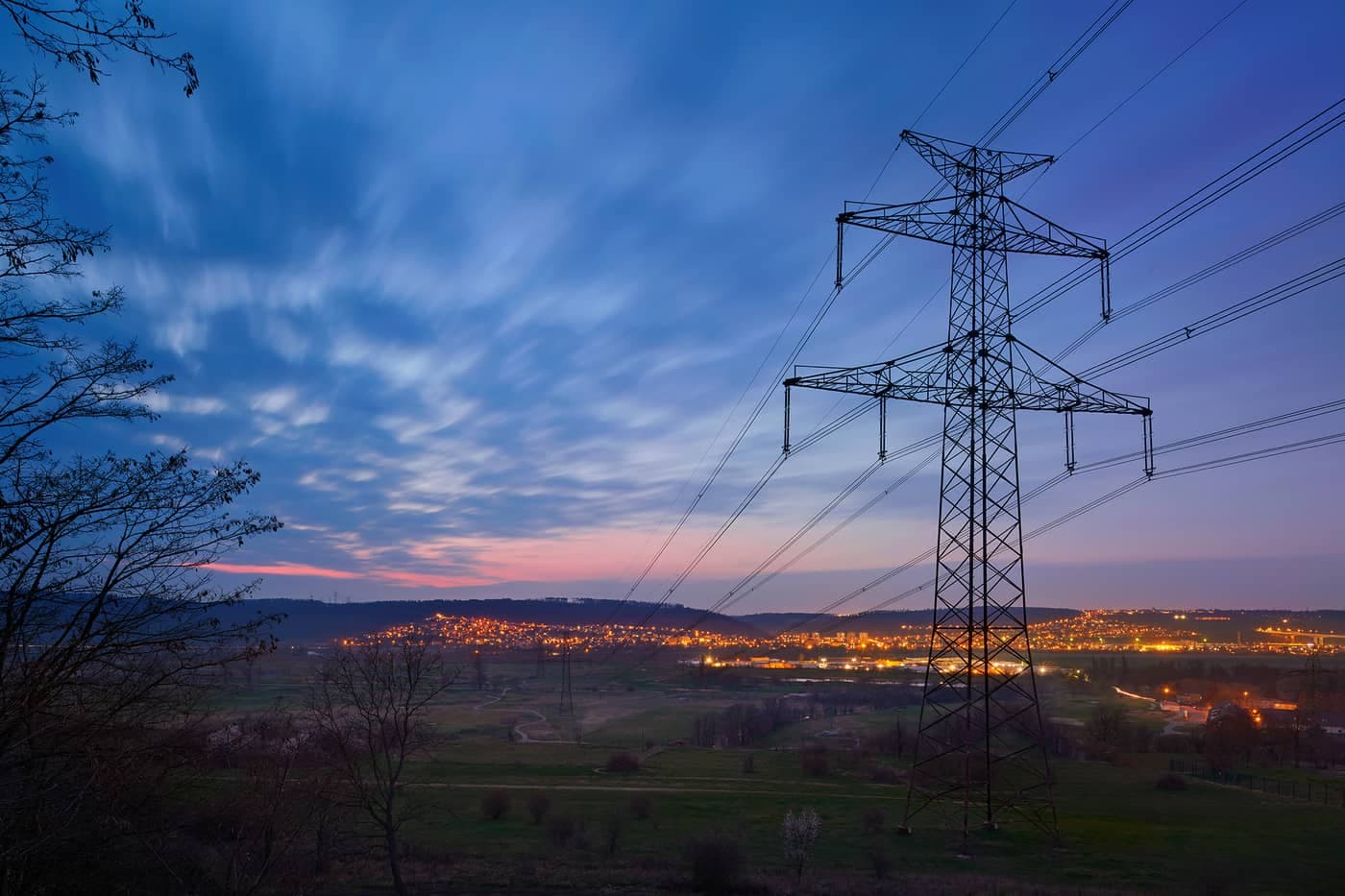
Plans by Sweden and Norway to restrict or not renew some of their electricity interconnections with Denmark are raising concerns across the energy sector. According to Green Power Denmark, cross-border lines are vital not only for security of supply in individual countries, but also for the functioning of the European electricity market. Restricting interconnections could lead to higher prices, a greater risk of electricity shortages and make it harder to integrate renewable energy across the region.
Denmark’s renewable energy sector is warning of the negative effects of possible restrictions on electricity interconnections, known as interconnectors, between the Nordic countries. Green Power Denmark says limiting cross-border lines between Denmark, Sweden and Norway could undermine the stability of the European energy system and create new obstacles to efficient electricity trading.
Read the full article HERE.
3. Germany returns to being a net electricity exporter after two years
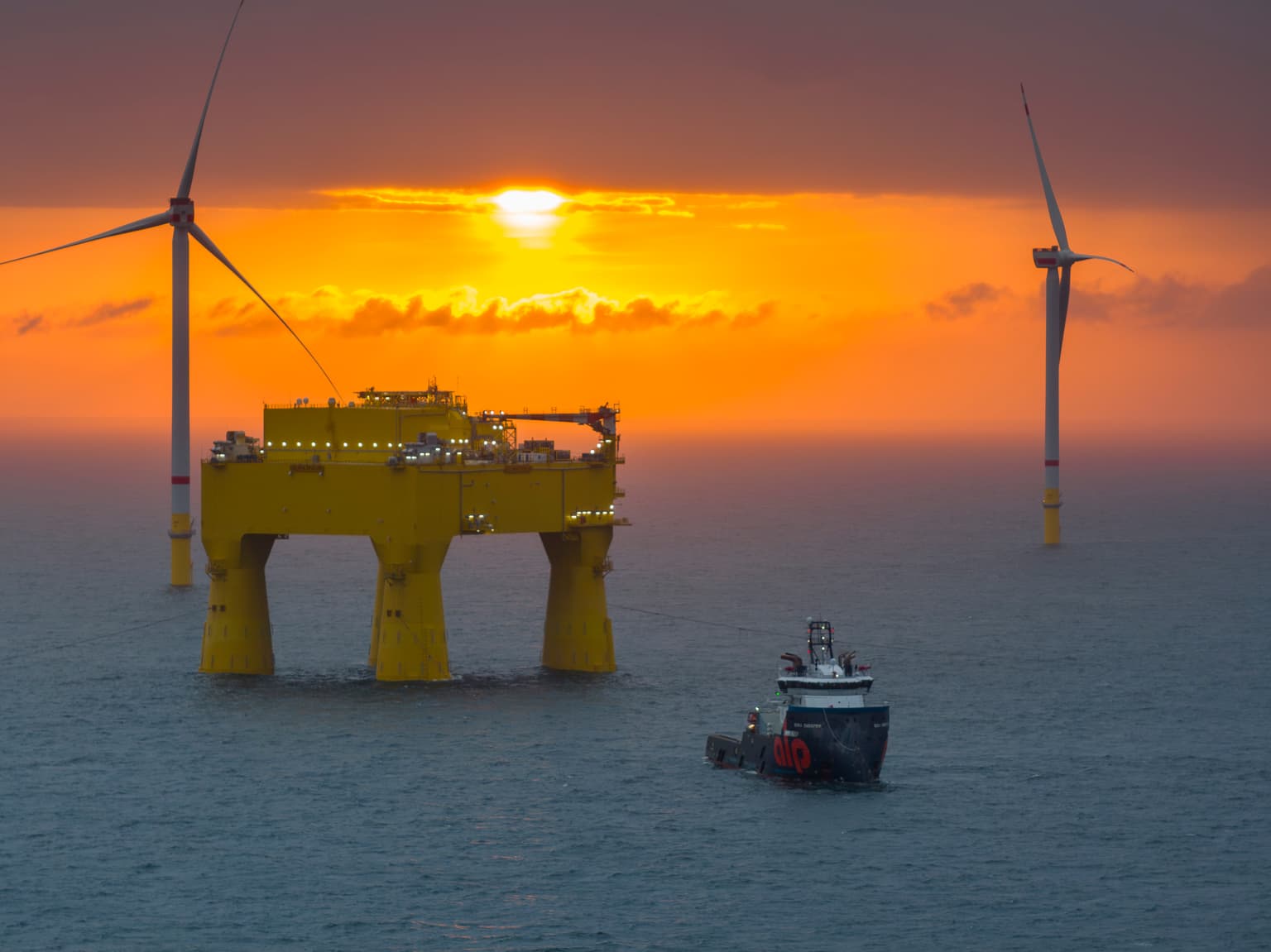
Germany is a net exporter of electricity for the first time since the end of 2023. Wind power generation is increasing in particular, although coal remains important. Electricity imports fell by 15.5 percent in the first quarter, while exports abroad rose by more than 20 percent. The result was a surplus of 3.1 billion kilowatt-hours (kWh), the German statistical office reported today.
A total of 126.6 billion kWh of electricity was generated and fed into the grid in Germany in the first quarter. More than half—53.3 percent—came from renewable sources such as wind and solar. Renewable electricity generation rose by almost 14 percent to 67.5 billion kilowatt-hours, while conventional generation fell by nearly two percent year on year to 59.1 billion kilowatt-hours.
Read the full article HERE.
4. Commission has concerns about support for new Dukovany units
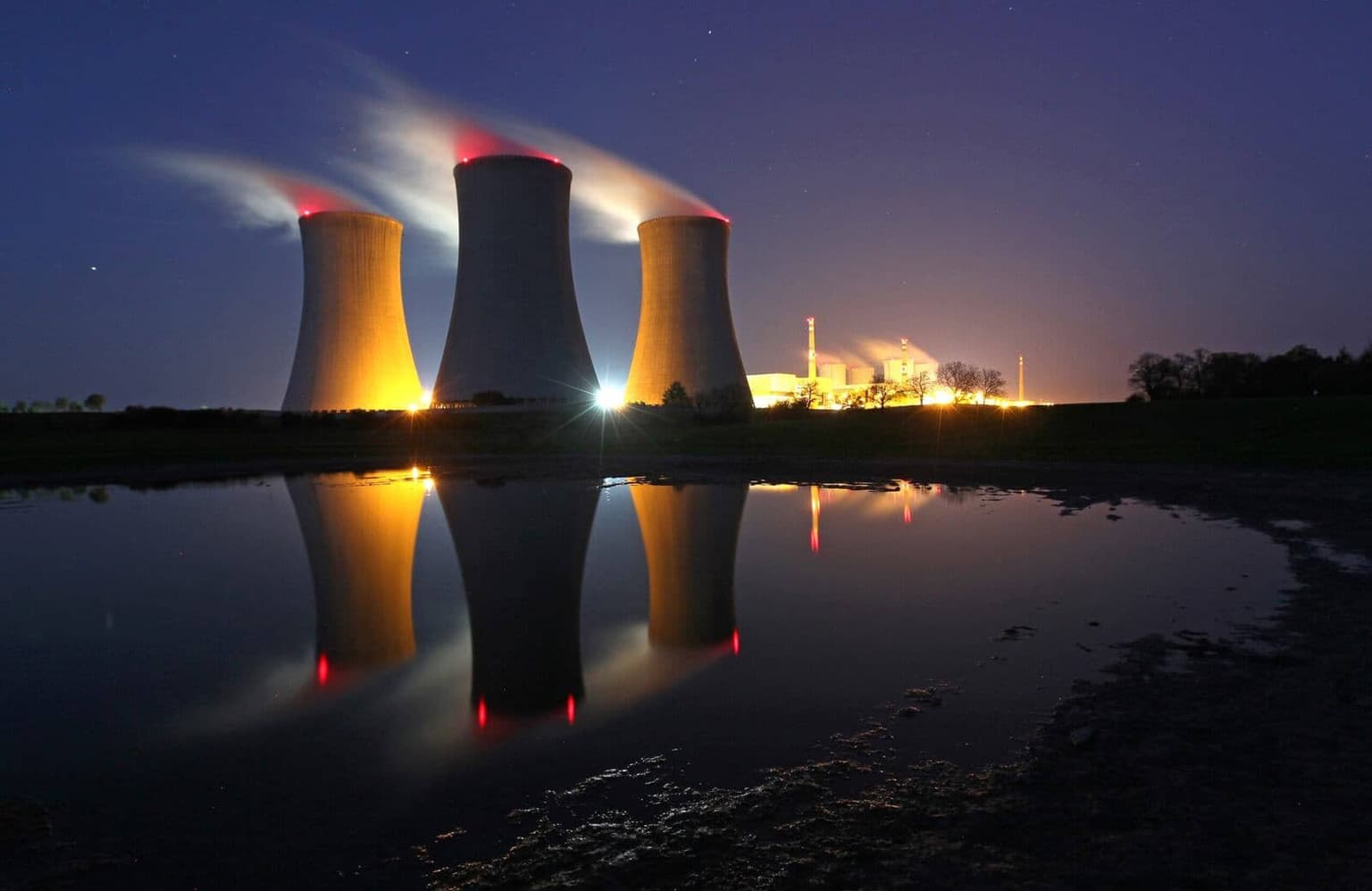
The European Commission has published details of its formal investigation into the Czech support model for the construction of two new nuclear units at Dukovany. Although the investigation was officially launched at the end of last year, further details have only now been released. The Commission has several concerns about the proposed support. It says the support may be too generous. The Czech Republic has also failed to provide enough detail to assess its impact on the market. This is the European Commission’s preliminary position on the proposed support; the final form of public support will be subject to further negotiations.
At the turn of the month, the European Commission published details of its proceedings on the Czech notification of support for two new units at Dukovany. The Czech Republic notified the support on 2 October 2025. According to the decision, this is a broader model than the previously approved support for a standalone fifth unit. The assessment now covers two units, a revised investor model and a more extensive support package.
Read the full article HERE.
5. European Commission allows Germany to support industry with a combination of two energy support schemes
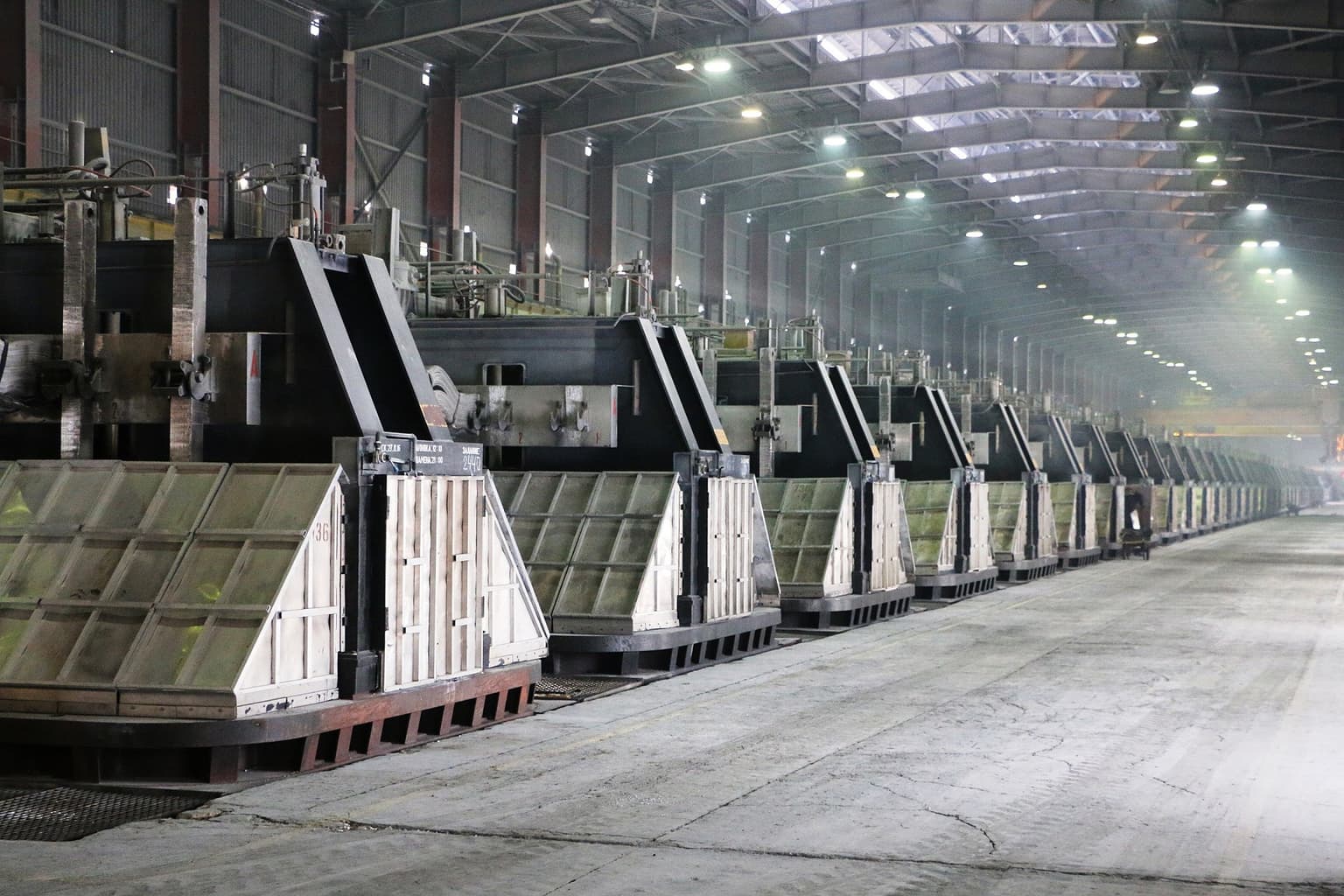
Germany has secured European Commission approval to temporarily expand support for energy-intensive industry. In 2026, companies will be able to receive both electricity price support and compensation for indirect emissions trading costs. The German government hopes the measure will strengthen the competitiveness of an industrial sector that has faced high energy prices, weak demand and increasing pressure from foreign competitors in recent years. Critics, however, warn that it is only a short-term fix without a long-term strategy.
The German government has reached an agreement with the European Commission allowing energy-intensive businesses to use two major state support schemes simultaneously in 2026. The measure was announced by German Economy Minister Katharina Reiche in an interview with Handelsblatt.
Read the full article HERE.
6. German energy companies and environmentalists reject quotas for zero-emission heating fuels
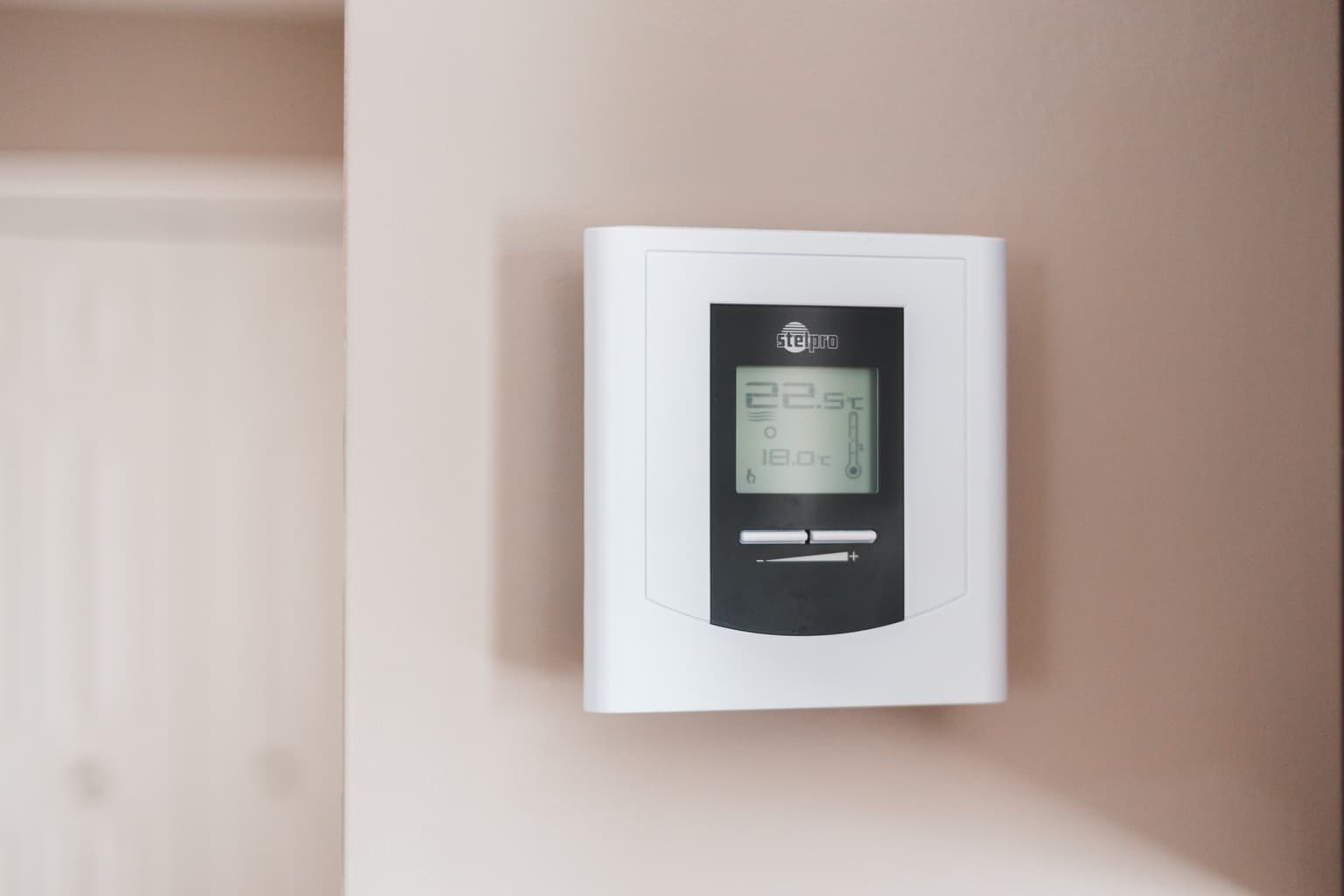
The German government wants to replace the current requirement that at least 65% renewable energy be used when installing new heating systems with a mandatory blending scheme for zero-emission fuels in fossil gas and heating oil. However, a broad coalition of energy companies, trade associations and environmental organisations has unexpectedly opposed the proposal. Critics warn that biomethane and hydrogen will be expensive and in short supply for home heating, potentially increasing costs for consumers while also slowing the decarbonisation of the buildings sector.
The debate over decarbonising heating in Germany continues to spark disputes. Chancellor Friedrich Merz’s government is preparing a reform of the Buildings Energy Act (GEG), which would repeal the controversial requirement introduced in 2023 to use at least 65% renewable energy in newly installed heating systems. Instead, it wants to introduce a so-called zero-emission fuels quota, under which climate-neutral alternatives such as biomethane, bio-oils or hydrogen would gradually be blended into distributed gas and heating oil.
Read the full article HERE.
7. Czech companies have a 20 percent share in Dukovany project, says Havlíček
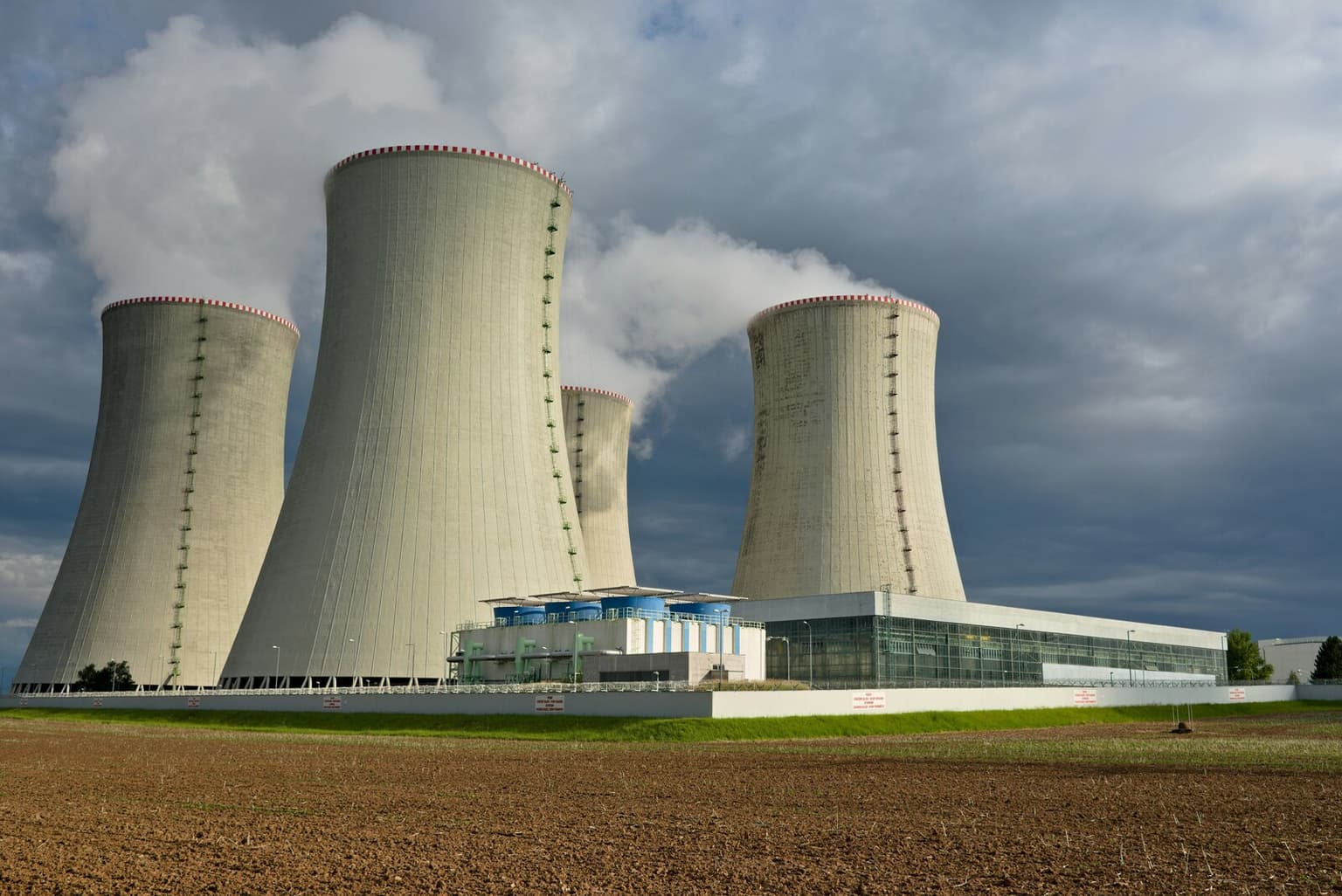
Czech subcontractors currently account for around 20 percent of the work on the two units being built at the Dukovany nuclear power plant by South Korea’s KHNP. Industry and Trade Minister Karel Havlíček (ANO) told the Czech News Agency (ČTK) today. He and Prime Minister Andrej Babiš (ANO) visited Škoda JS in Plzeň, a leading European manufacturer and supplier of nuclear energy equipment.
The Ministry of Industry and Trade (MPO), together with industry associations, will negotiate to secure the highest possible share of subcontracting for Czech companies. The first new Dukovany unit is expected to be completed in 2036, and the second a year later. The contract is worth more than 400 billion Kč.
Read the full article HERE.
8. Sweden receives another application to build small modular reactors
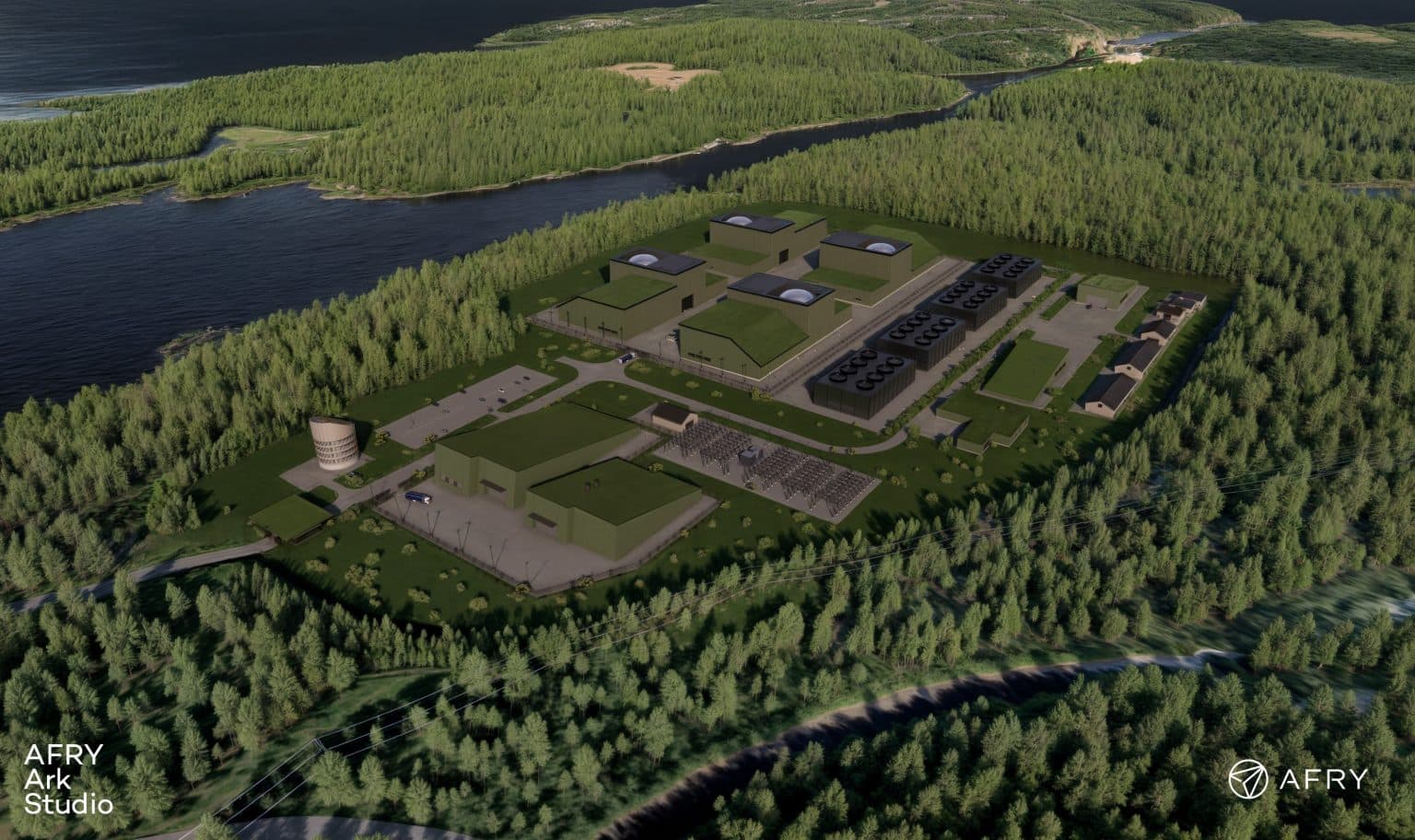
The Swedish government has received its third application to build a new nuclear power plant made up of small modular reactors. The latest project is a plant in Nyköping, comprising up to four reactors with a total capacity of up to 1400 MWe. If approved, the first reactor could begin commercial operation in the early 2030s. Sweden has stimulated interest in new nuclear power sources through state support and measures to encourage construction.
Swedish nuclear technology services company Studsvik announced that it had submitted an application to the Swedish government to build a power plant comprising small modular reactors. Company representatives submitted the application for two to four new reactors directly to the Minister for Climate and the Environment. Studsvik plans to use its site in Nyköping to build the nuclear power plant. It is located in the same bidding zone (SE3) as the capital, Stockholm, where the company says the gap between supply and demand is widening.
Read the full article HERE.
9. Pressure vessel for second reactor installed at Hinkley Point C nuclear power plant
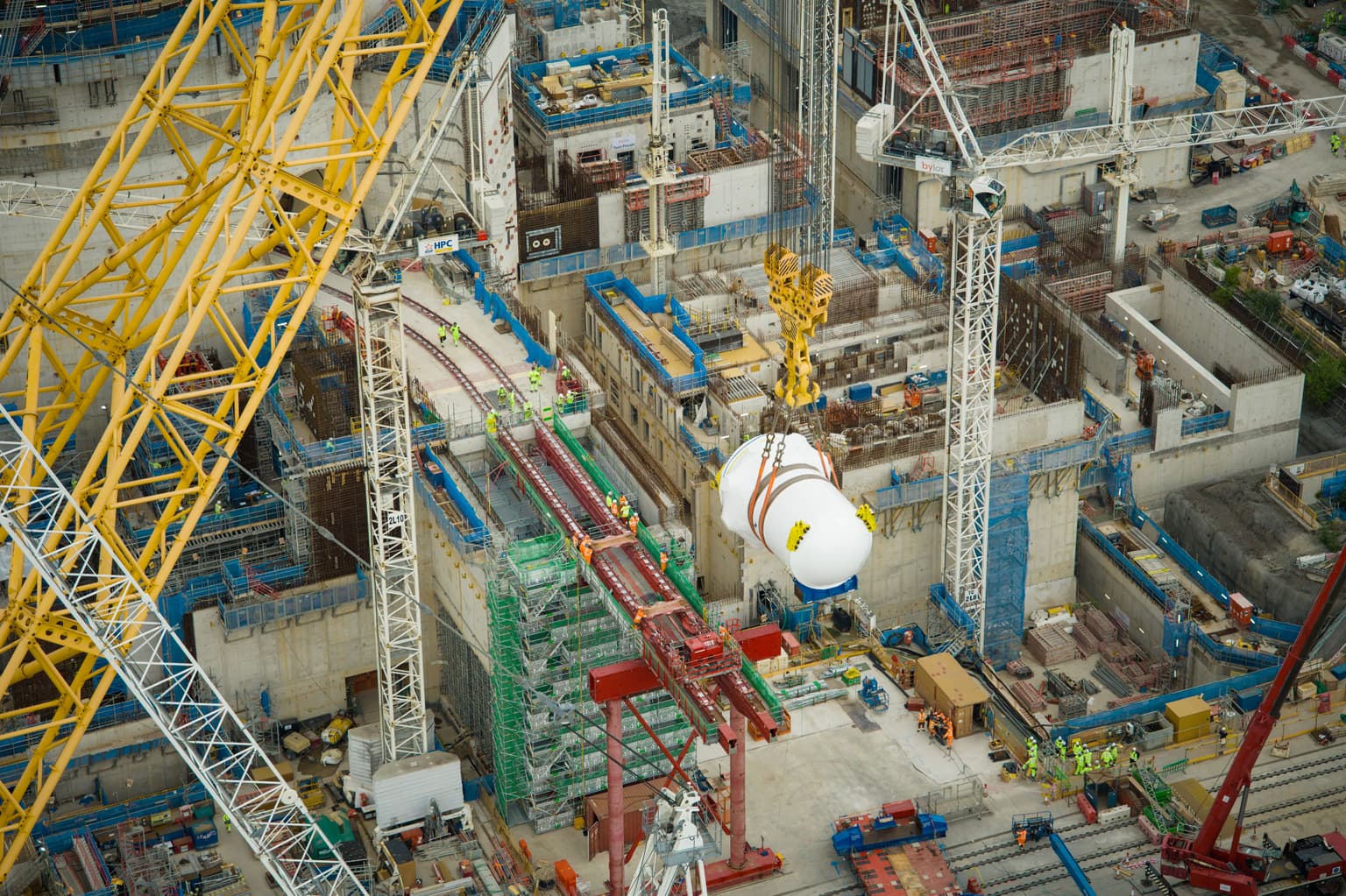
Construction of the UK’s Hinkley Point C nuclear power plant has reached another key milestone. The installation of the 500-tonne pressure vessel for the second EPR unit shows how EDF is applying experience gained from building the first unit to speed up construction and support the subsequent Sizewell C project.
EDF Energy has completed the installation of the reactor pressure vessel for the second unit of the Hinkley Point C nuclear power plant in Somerset. The two-day operation began on Thursday morning and ended on Friday afternoon, when the vessel was lowered into the second unit’s reactor building.
Read the full article HERE.
10. Construction begins on 430 million Kč heat pipeline from Prunéřov to Kadaň
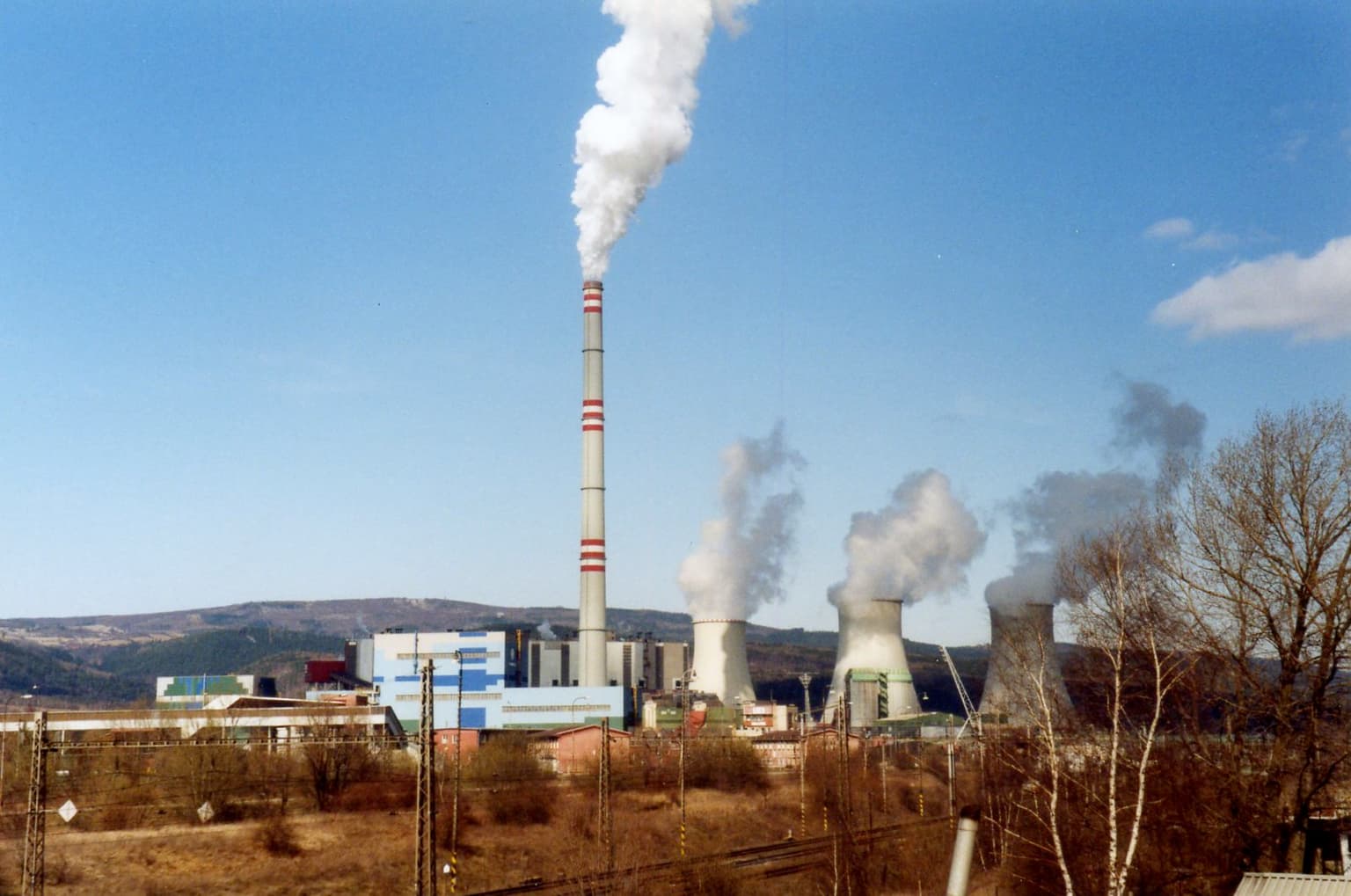
Workers have begun building an almost six-kilometre heat pipeline from Prunéřov to Kadaň in the Chomutov region. Once completed, it will change the way the town of around 18,000 people is supplied with heat. Until now, residents received heat generated from coal at the Tušimice power plant. Heat from biomass and gas will come from Prunéřov. Construction costs amount to 430 million crowns, said Libor Štěpán, director of ČEZ Teplárenská.
Kadaň has received coal-fired heat from neighbouring Tušimice for 50 years.
Read the full article HERE.
Energostat: electricity generation in the Czech Republic
Energostat: electricity generation in Germany
More up-to-date charts and data are available on Energostat
Translation disclaimer
This article is a machine translation of the Czech original and has not yet been fully reviewed. In case of any doubt, please refer to the Czech version.