Tropical fund worth $125 billion: Can Brazil save rainforests from destruction?
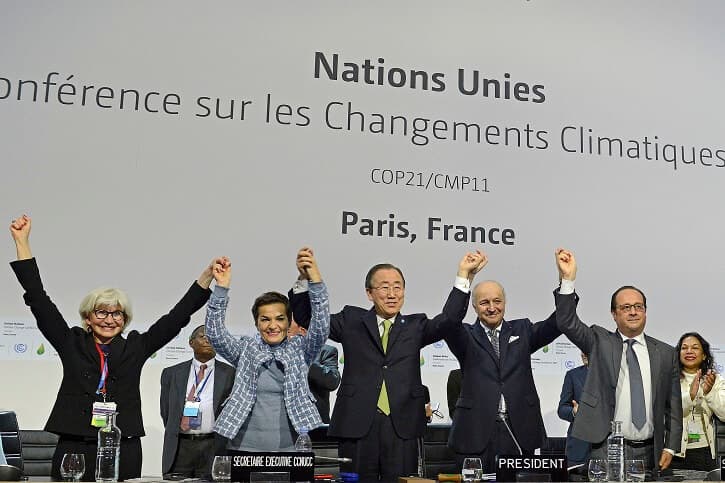
The 30th UN climate conference (COP30) is due to take place in Belém, Brazil, in two months. In addition to the standard preparations, the host country is planning an ambitious initiative to save the Amazon and other rainforests. The project is called the “Tropical Forest Forever Facility” (TFFF).
According to the Financial Times, Brazil’s main agenda is to create a fund to finance rainforest conservation. The fund would raise $125 billion. The money would not come from donations, however, but from issuing bonds with interest rates comparable to US government bonds. The aim is to mobilise so-called “blended finance”: investing a smaller share of public funds to minimise risk and thereby attract greater investment from the private sector.
The idea reportedly came directly from current Brazilian President Lula da Silva (although it is based on an earlier idea). He is seeking to design financial initiatives so that people living in areas around rainforests do not have to burn the forests and use the land for farming. For many people in the region, this is currently their only possible source of income.
Deforestation in Brazil and elsewhere
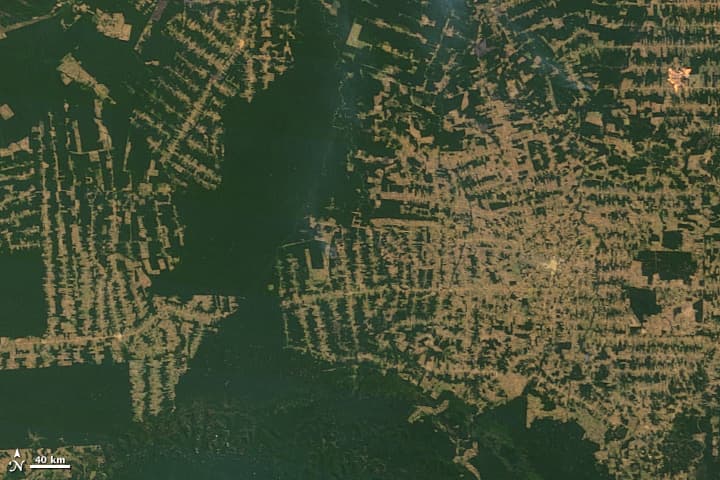
The Amazon rainforest and the problems associated with it are highly complex and subject to changing dynamics. Ownership is largely divided among different parties, but enforcement of the rights of the state, Indigenous peoples and, at times, private owners is complicated and often uncertain. People living in the area have strong economic incentives to burn the forest; for small farmers, it is often their only means of making a living, whether through cattle farming, crop cultivation or simply selling the land. The incentives are very similar for large companies and businesses.
Brazilian governments have taken different approaches to the issue over recent decades. Lula da Silva’s current administration is working to better uphold the claims of Indigenous peoples and has strengthened agencies that enforce property rights and laws against deforestation. It has also committed to “zero deforestation by 2030”. Nevertheless, the Brazilian state has some policies in place that continue to incentivise using forests for farming, and therefore deforestation. The situation is similar in other countries that control the world’s largest rainforests, such as the Democratic Republic of the Congo, where deforestation is driven mainly by logging and the state apparatus is even weaker, and Vietnam, where deforestation continues to occur despite the government’s efforts.
The plan
According to the Financial Times, the specific plan is as follows: the fund would borrow seed capital from sponsors, primarily wealthy countries and possibly some foundations. This debt would carry interest rates similar to those on US government bonds and have a 40-year maturity. The aim would be to issue bonds worth USD 25 billion in the first few years.
These initial sponsors would be junior lenders, meaning they would take on the greatest risk. Brazilian officials then hope this foundation will enable the fund to issue a much larger amount of senior debt (USD 100 billion) aimed at commercial investors. As André Aquino of Brazil’s Ministry of Finance said, the aim is to “attract a conventional Danish pension fund”.
The fund would then invest the money raised in corporate and government bonds in the developing world, earning a higher return than the cost of its capital. After meeting its obligations, it would have funds left over—up to $4 billion a year, according to estimates—to finance rainforest conservation.
The money would be paid out to as many as 74 developing countries which, according to the concept note, collectively manage more than a billion hectares of rainforest. They would qualify for funding if their annual deforestation rate was below 0.5%. Countries that met the condition would receive a fixed amount per hectare of forest under their control (four dollars is currently being discussed). The amount would also be reduced for every hectare of forest destroyed.
The use of the fund’s money would be monitored, and at least a fifth of the funding would go to local communities and Indigenous peoples. Brazil hopes this would create an incentive for governments to reduce deforestation.
Challenges and risks
The plan naturally faces several potential hurdles. Last year, wealthy countries announced a goal to “mobilise” $300 billion a year for climate projects in the developing world. The project has also been discussed with several countries (Norway, Germany, France, the United Kingdom, the United Arab Emirates and, at the time, the Biden administration in the US). BRICS members have reportedly also endorsed the plan. Nevertheless, there is a risk that the planned $25 billion in seed capital will not be raised, as no country has yet committed to a specific amount. Lula is due to announce Brazil’s first contribution later in September, but whether other countries will follow suit remains an open question.
Another question is whether the private sector will join in, even if countries provide the seed capital. Credit rating agencies will play a key role, as their assessments will influence investors’ decisions. Some agencies are already evaluating the fund concept, but their ratings will still depend on the success of the initial financing and how the fund invests its money.
The final risk is the “Trump factor”. The US is unlikely to be a major seed investor under this administration, and there are other complications too. Brazil wanted the World Bank to manage the fund, which would boost market confidence and the fund’s overall legitimacy. But the bank is concerned about the possibility of the US withdrawing from the organisation entirely, and is therefore trying to maintain a conciliatory tone towards Washington. This could mean the bank ultimately declines to participate in the project, despite having taken part in consultations so far.
The future of this ambitious plan therefore remains highly uncertain.
Translation disclaimer
This article is a machine translation of the Czech original and has not yet been fully reviewed. In case of any doubt, please refer to the Czech version.




