Biomethane production in the EU is growing rapidly, but not enough to meet REPowerEU targets
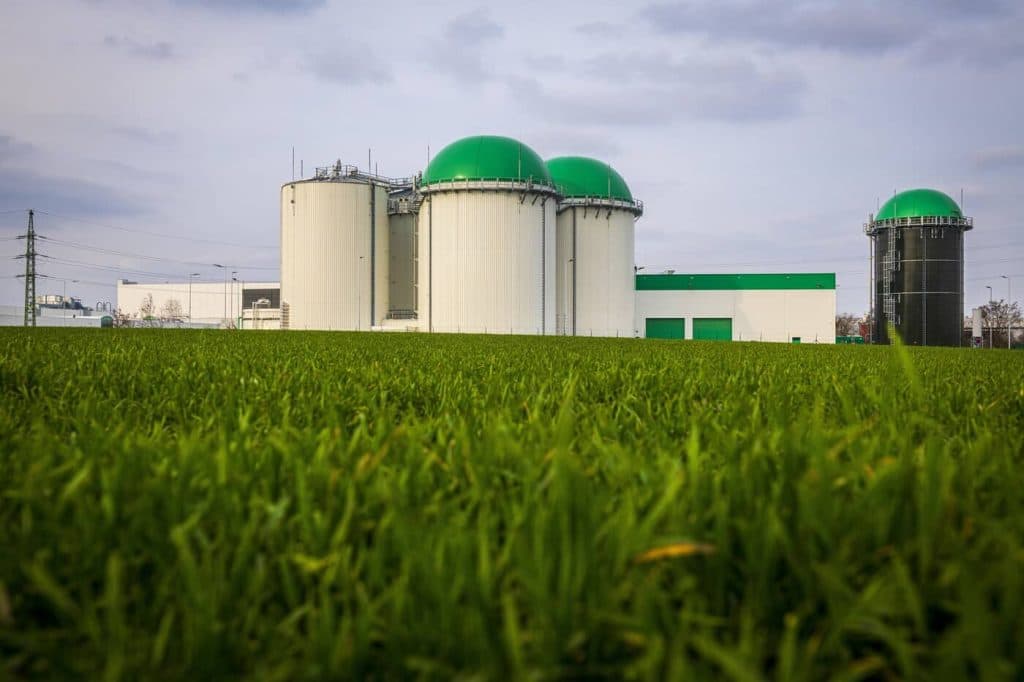
The European Union and its member states have significantly stepped up support for biomethane and biogas production in recent years. Although production is growing, it still falls well short of the EU’s ambitious targets for 2030, Montel News reported.
Following Russia’s invasion of Ukraine in 2022, the European Commission introduced the REPowerEU plan, which aims to rapidly reduce the Union’s dependence on Russian fossil fuels while accelerating the transition to cleaner energy sources. The strategy is based on a massive expansion of renewables, energy savings and diversification of energy commodity supplies. Biomethane is one of its key tools.
Biogas is produced in biogas plants as a mixture of methane and carbon dioxide and is most often burned on site in combined heat and power units, which supply electricity and heat. Biomethane plants, however, involve an additional step: cleaning the biogas and separating out the methane. The resulting biomethane has properties comparable to natural gas, so it can be injected into the gas network. Domestic production can therefore gradually replace natural gas imports.
As part of REPowerEU, the EU has set a target of producing up to 35 billion m³ of this renewable gas a year by 2030. However, current national plans by member states cover only about three-quarters of the required volume, or around 26 billion m³, Edith Hofer from the European Commission’s Directorate-General for Energy said at a conference in Brussels.
Biomethane in the EU: rapid growth, small share of consumption
Production of biogas and biomethane in Europe has grown in recent years. While biogas production saw only a modest 1% increase in 2024, biomethane output rose by 14% year on year. The European market is highly concentrated, with 95% of production coming from just six countries.
More than half of the biogas used mainly to generate electricity and heat in combined heat and power units comes from Germany, which alone accounts for 53% of EU production. Biomethane growth is more evenly distributed, but the same countries still dominate: Germany (29% of EU production), France, Italy, Denmark and the Netherlands together produce 93% of Europe’s total.
Europe nevertheless remains a global leader. In 2023, EU member states accounted for almost 50% of global biogas production. While earlier growth was driven mainly by generous feed-in tariffs for electricity and heat generation, in recent years policy has shifted towards biomethane as a domestic, low-emissions alternative to natural gas.
Denmark is a pioneer in integrating biomethane into the gas network: in 2023, the gas already accounted for more than 35% of the country’s total gas consumption. France has also reported rapid growth, increasing production from 0.05 to 0.8 billion m³ in six years.
Total European biomethane production exceeded 4.5 billion m³ in 2023. However, this still represents less than 2% of regional natural gas demand—and the EU’s ambitious 2030 targets remain out of reach.
Biomethane in Czechia: far below potential
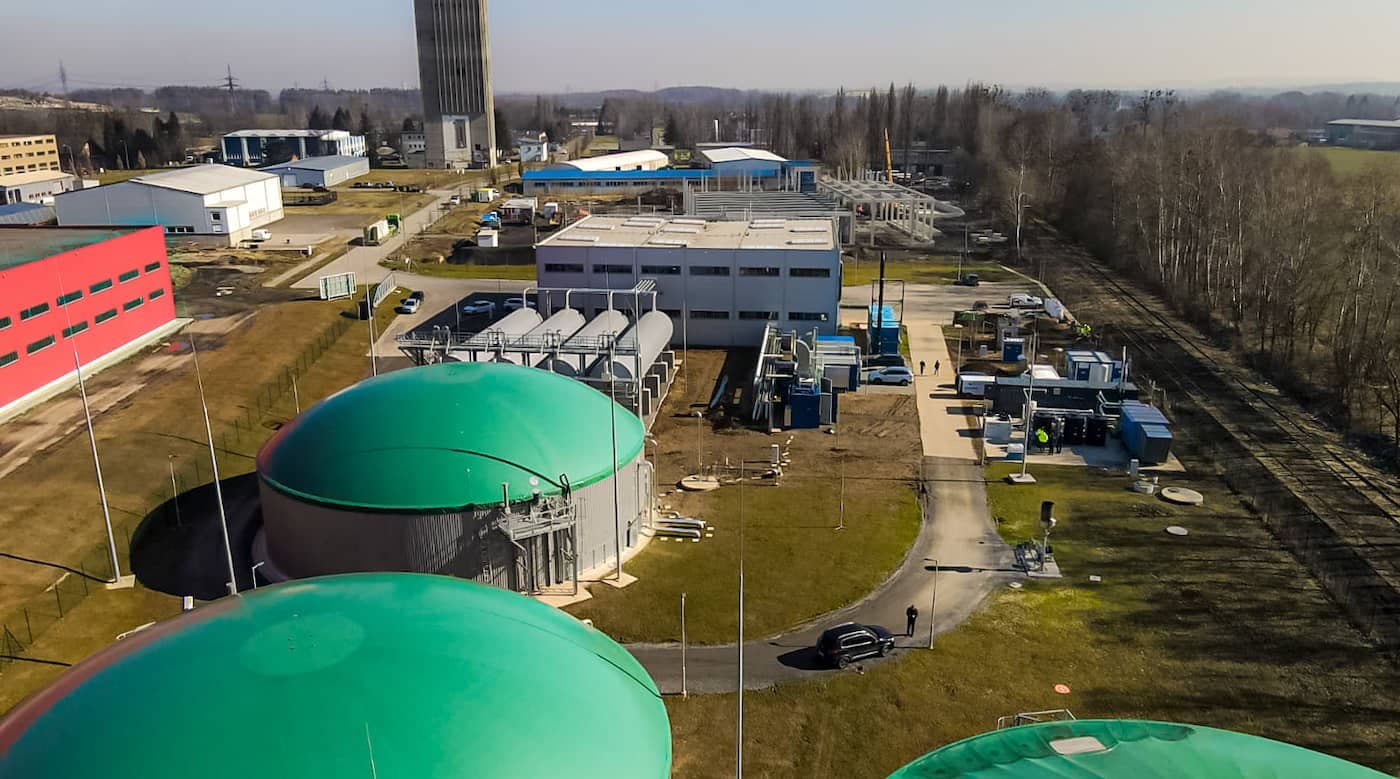
There are currently around 540 biogas plants in Czechia, most of which were built for agricultural or waste management operations. These facilities are best positioned to switch to biomethane production. However, the conversion depends on the introduction of a new form of support that would provide investors with greater stability and encourage them to upgrade their technology. At present, only 12 plants in the country are capable of producing biomethane.
According to an analysis by EGU, biomethane could eventually cover up to 18% of Czech gas consumption, while CZ BIOM estimates that around 100 biomethane plants could be operating in Czechia by 2030. The outlook from gas network operator NET4GAS also assumes that biomethane production will rise from the current 73 GWh to more than 8 100 GWh a year, which would require several hundred new facilities. The company also warns, however, that it has currently received only 25 applications to connect to the gas network, significantly limiting actual development.
Fragmented market support and the need for harmonisation
Public subsidies play a key role in the development of biomethane and biogas. Investment support lowers barriers to entry, while feed-in tariffs or premiums provide operators with stable revenue. The European market is highly fragmented, however: some countries primarily support injecting biomethane into the network (e.g. France), others electricity generation (Germany) or use in transport (Italy).
Emissions trading schemes in the EU and the United Kingdom provide another incentive. Industrial consumers can reduce their emissions by using biomethane and thereby save on the cost of purchasing allowances.
Industry representatives say Europe still has considerable untapped potential. Companies such as Engie and BASF are calling for harmonised standards and certification to enable the free trade of biomethane across the EU.
“Harmonising standards and certification schemes is essential to create a single biomethane product that will be available throughout Europe,” said Norbert Kail, vice president for renewable carbon at German chemicals company BASF.
The European Commission is now finalising a tripartite memorandum between states, industry and producers, intended to facilitate investment in production. It is expected to be signed in the first quarter of next year.
If the EU is to move closer to its climate and energy ambitions, biomethane production will need to grow faster—the current pace is not enough.
Translation disclaimer
This article is a machine translation of the Czech original and has not yet been fully reviewed. In case of any doubt, please refer to the Czech version.