EU carbon tariffs could paradoxically make renewable electricity imports more expensive than coal-fired power

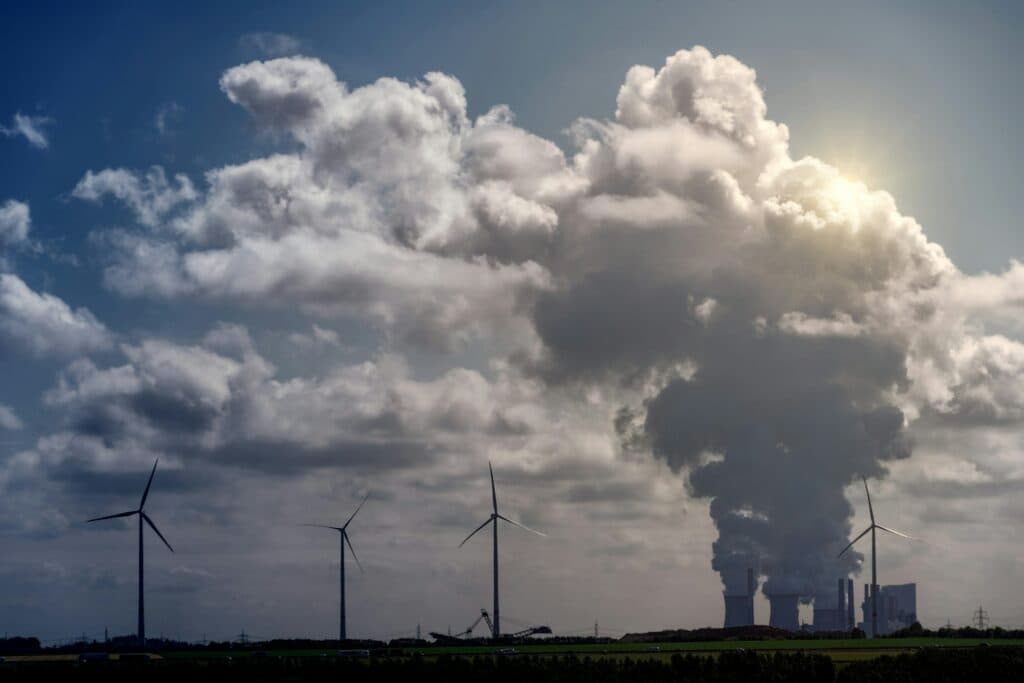
The European Union is expected to fully launch its carbon tariff system next year, after operating it in a transitional phase so far. However, many questions remain, including how exactly the mechanism will be implemented. Some experts also say there is uncertainty about its impact on electricity imports from countries outside the EU, particularly from the Balkans. Paradoxically, this could mean that electricity generated from coal or other fossil fuels will be cheaper to import than electricity from renewable energy sources.
The European Union launched the first phase of its carbon tariff system, more precisely the Carbon Border Adjustment Mechanism (CBAM), in 2023. During the transitional phase, the bloc is collecting data on emissions generated in the production of certain imported goods. These currently include cement, iron and steel, aluminium, fertilisers and electricity. Importers do not yet have to pay carbon tariffs, but this is due to change next year.
With carbon tariffs, the EU hopes not only to protect its own climate ambitions but also to extend them globally. The first goods covered by the mechanism were also selected because they face a greater risk of carbon leakage abroad. Pricing emissions is intended to put imported goods on a level playing field with domestic production, which is subject to the emissions trading system (EU ETS).
Emissions intensity and accounting for emissions payments
However, the rules for electricity imports into the EU are not yet entirely clear. According to Peter Pozsgai, a leading CBAM expert in the Energy Community countries, the current implementation of carbon tariffs could make coal-fired electricity imports cheaper than imports from renewable sources. The Energy Community brings together EU countries and nine other countries, mainly in southeastern Europe, including the Balkan Peninsula.
Under the CBAM system, electricity imports will be subject to carbon tariffs. Producers will, however, be able to deduct charges paid under local emissions pricing schemes. One question that remains is how the carbon intensity of imported electricity will be calculated; it is likely to be based on the national average.
In this case, however, renewable electricity producers will not be able to deduct any payments, since they do not pay emissions charges. As a result, after domestic emissions pricing is taken into account, coal-fired electricity could be cheaper to export to the EU.
An exemption could offer a temporary solution, but meeting the requirements is also uncertain
The issue of carbon tariffs was widely discussed, according to Argus, at the recent Energy Trading Central and South Eastern Europe (ETCSEE) conference. Market participants cited declining liquidity in forward markets, due in part to uncertainty about how the carbon tariff mechanism will be implemented.
Energy Community countries could receive a temporary four-year exemption, but they must meet one key condition: integrating their electricity markets with the EU single market through so-called market coupling by 1 January 2026. However, meeting this condition is highly uncertain, as none of the Balkan countries has done so yet. According to Argus, Serbia is closest to linking its markets, but this is not planned until the fourth quarter of next year. It is therefore unclear whether a CBAM exemption will be granted and, if so, whether it will also apply retrospectively.
"Regional integration is extremely important for security of supply and efficiency, and should continue regardless of CBAM. If the requirements are met, CBAM should be suspended," said Andras Hujber, deputy head of unit at the European Commission's Directorate-General for Energy.
Translation disclaimer
This article is a machine translation of the Czech original and has not yet been fully reviewed. In case of any doubt, please refer to the Czech version.




