EU plans new global climate strategy after disappointing COP30 climate conference

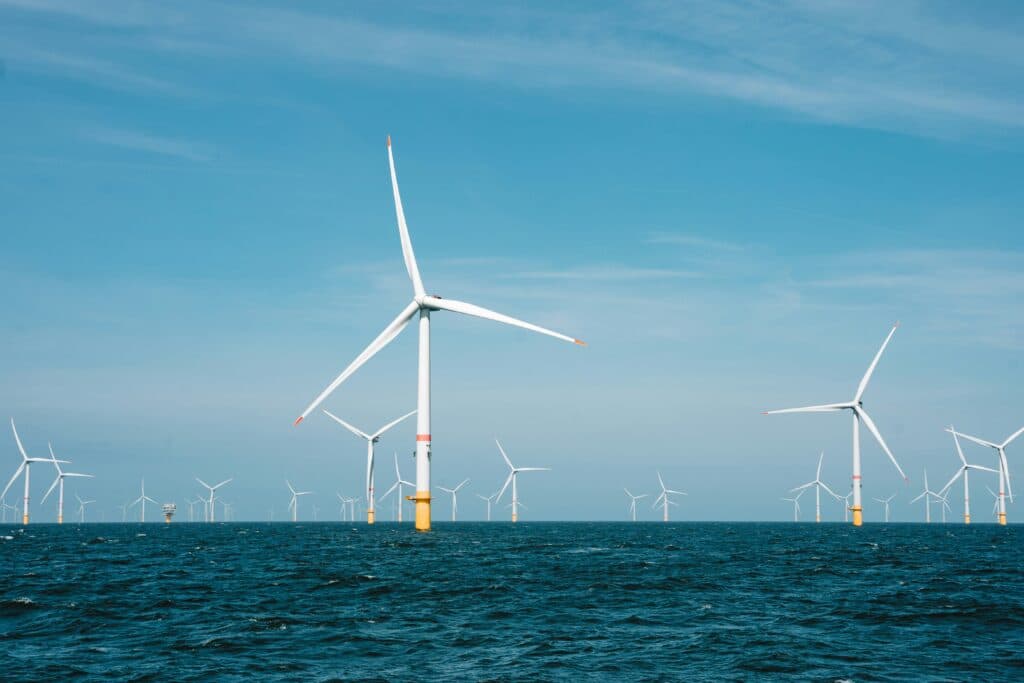
After a disappointing result at COP30, the European Union is reassessing its global climate strategy. Its aim is to gain greater influence ahead of COP31, which will take place at the end of this year—but a long preparation process and many interim negotiations lie ahead.
The previous COP can hardly be called a success. Only a handful of items were agreed in the final document. As Euractiv reported, the EU wants to learn from the last conference and is now changing its approach to climate negotiations.
At the heart of the new approach is a shift towards so-called transactional climate engagement. As a provider of roughly one-third of global climate finance, the bloc wants to see clearer commitments in return. One proposed measure is to make financial support conditional on specific action. India is one example of a country that could be affected by the measure, as it has yet to submit its 2035 climate target under the Paris Agreement. European leaders, particularly from France and Germany, have proposed making funding—potentially hundreds of millions of euros—dependent on these commitments. They therefore see climate diplomacy as a “give and take” relationship.
Earlier coordination and clearer priorities
Another pillar of the EU’s new approach should be better planning in general. Historically, the bloc finalised its negotiating positions shortly before the annual UN climate conferences, which limited their effectiveness. Officials are now working on a multi-year strategy spanning several COP cycles, with earlier coordination and clearer priorities. This includes targeted outreach, particularly to fast-growing economies sometimes referred to as “BICS”, which are considered key to future emissions reductions given their size and growing influence.
Changes are also taking place internally. The departure of long-serving lead negotiator Jacob Werksman, along with senior official Martin Hession, signals a generational shift in the leadership of the European Commission’s DG CLIMA climate department. Although both insist their departures are not politically motivated, the changes come as the EU’s climate negotiating policy is shifting. This reflects a deeper transformation in global climate policy as well.
The Paris Agreement and most of its components have now largely been finalised; the challenge is to implement it—achieving emissions reductions, financing the transition and maintaining ambition. Analysts say that to regain its climate leadership role, the EU must combine conditional financing with strategic planning and stronger international partnerships.
Translation disclaimer
This article is a machine translation of the Czech original and has not yet been fully reviewed. In case of any doubt, please refer to the Czech version.




