European Commission presents further simplification of European environmental legislation

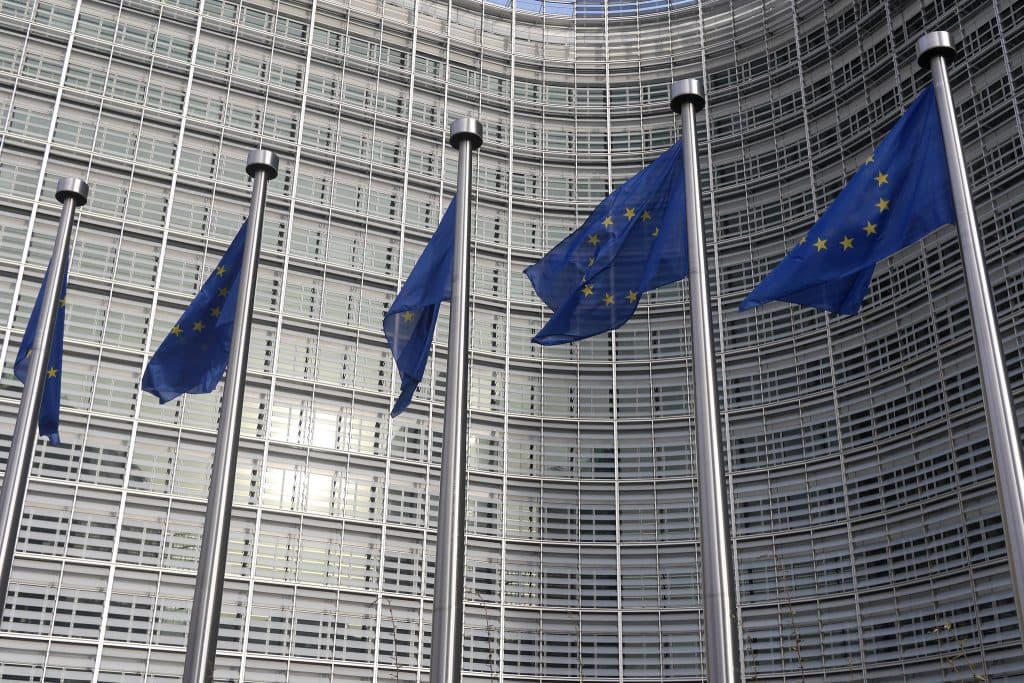
The European Commission has presented a new package of measures aimed at simplifying European environmental legislation. The Commission is thus acting in line with its aim of reducing bureaucracy for European businesses, speeding up approval of strategic projects and thereby increasing the EU’s competitiveness.
The package consists of six legislative proposals covering industrial emissions, the circular economy and environmental impact assessments. As the Commission reported, the proposals will now be submitted to the European Parliament and the Council for adoption.
Businesses are expected to save approximately EUR 1 billion a year under the proposals, bringing annual savings from the gradual simplification of legislation to nearly EUR 11 billion, according to the Commission. This contributes to its long-term goal of reducing administrative costs by EUR 37.5 billion a year by the end of the current Commission’s term in 2029.
Key elements of the proposals include simplified environmental impact assessments for permitting, streamlined industrial emissions standards for industry and farmers, digital reporting of hazardous substances in products, and simplified extended producer responsibility (EPR).
A central pillar of the proposals is faster and simpler environmental permitting. Permitting should be easier in particular for projects in strategic sectors, typically involving critical raw materials, digital infrastructure or affordable housing. Project developers will be able to handle all matters through a single point of contact; the process should be more digitalised and deadlines shorter. The measures are also designed to support projects that contribute to decarbonisation and the efficient use of resources.
Under the proposed changes to the Industrial Emissions Directive, requirements for transformation plans would be removed, deadlines for preparing environmental management systems extended, and independent audits would no longer be required.
In the area of the circular economy, the Commission plans to scrap the costly database of substances of concern in products (SCIP) and replace it with digital alternatives, such as the digital product passport and the framework known as “one substance, one assessment”.
Extended producer responsibility obligations would also be temporarily eased by suspending the requirement for producers based in the EU to appoint authorised representatives in every member state where they sell their products.
Translation disclaimer
This article is a machine translation of the Czech original and has not yet been fully reviewed. In case of any doubt, please refer to the Czech version.




