23 October 2026, 11:01
Loading...
European energy independence: statistics on the shift away from Russian gas, oil and nuclear power

Jakub Malý
12 May 2025, 10:33
The European Commission (EC) presented a roadmap, building on the REPowerEU plan from May 2022, which aims to definitively end the EU’s imports of Russian energy commodities. The roadmap also provides more comprehensive information on EU imports of these commodities in recent years.
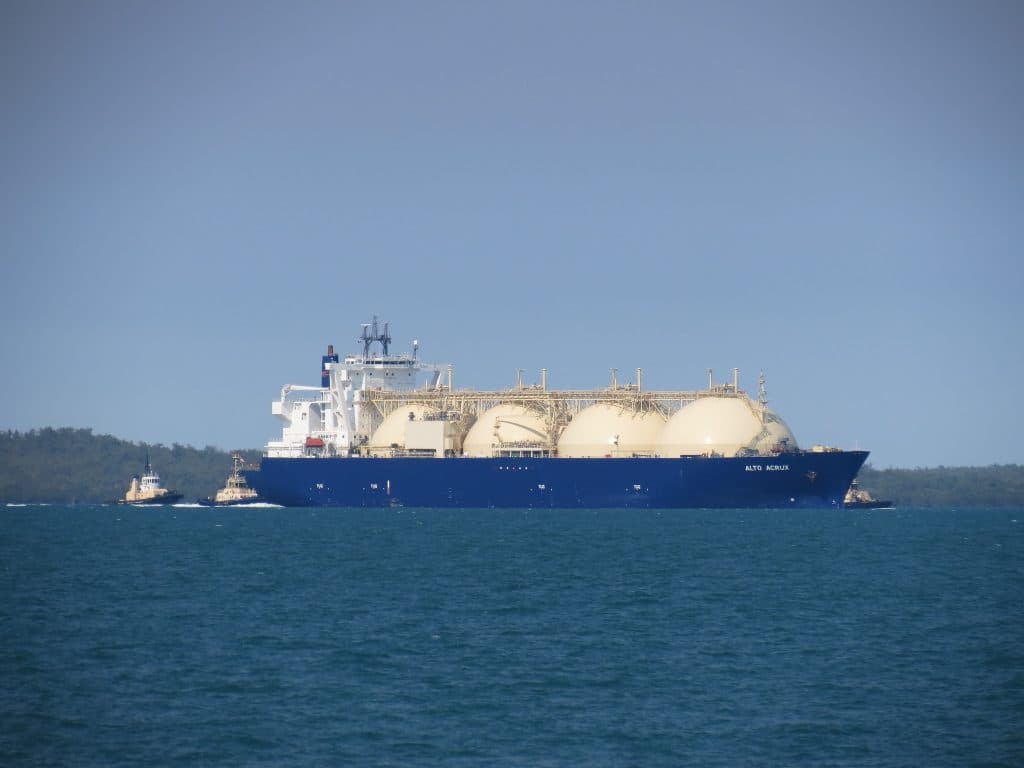
In recent years, the European Union has taken major steps to limit its dependence on energy imports from Russia. Sixteen packages of sanctions have completely banned imports of Russian coal and oil, while restrictions have also been introduced on the transshipment of Russian LNG in EU ports. However, there is growing concern about the circumvention of oil sanctions through so-called “shadow fleets”. At the same time, implementation of the REPowerEU plan, the Action Plan for Affordable Energy and the broader energy transition have helped reduce gas consumption. By 2030, these measures could replace up to 100 billion m³ of natural gas, corresponding to annual savings of more than 15 billion m³ and a reduction in consumption of up to 50 billion m³ by 2027.
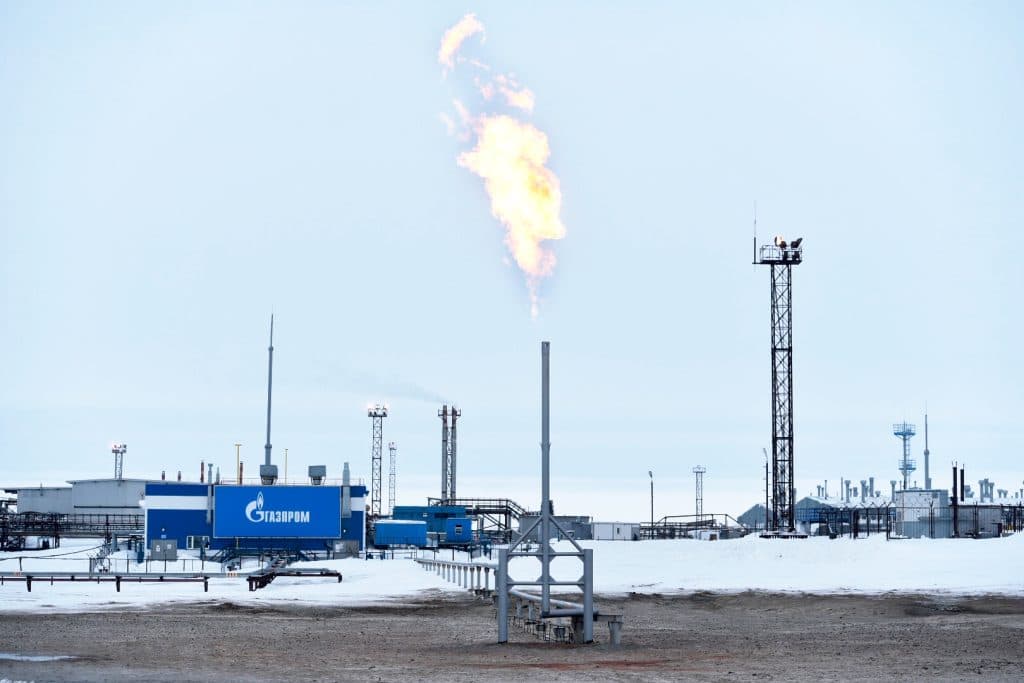
Despite these efforts, in 2024 the EU still imported 52 billion m3 of Russian gas (32 billion m3 by pipeline and 20 billion m3 as liquefied natural gas (LNG), or approximately 19 % of total EU gas imports), as well as 13 million tonnes (MMt) of oil and more than 2800 tonnes of enriched uranium fuel. Ten member states imported Russian gas in 2024, three member states continued to import Russian oil and seven member states imported enriched uranium or services related to the use of Russian uranium.
The EU has significantly reduced imports of Russian gas, but risks remain
Coordination between the European Commission and member states, together with the EU’s strengthened energy diplomacy, led to a significant reduction in Russian gas imports – from 45 % in 2021 to 19 % in 2024. This share could fall further to 13 % in 2025, following the end of the transit agreement with Ukraine. The share of Russian oil in EU imports fell from 27 % to just 3 %. Nevertheless, Russian gas, oil and nuclear fuel remain part of Europe’s energy mix, posing economic and security risks and enabling the continued financing of Russia’s war economy. The EU’s new strategy builds on the successful synchronisation of the Baltic power grids and plans to completely end imports of Russian energy commodities in order to reduce Europe’s vulnerability.
Between 2021 and 2023, the EU reduced its imports of Russian gas by more than 70 %, from 150 billion m3 to 43 bcm. In 2024, this downward trend came to a halt and imports from Russia increased. LNG imports rose by 12 % compared with 2023, from 18 billion m3 to 20 billion m3, while pipeline imports increased by 26 %, from 25 billion m3 to 32 bcm.

Source: European Commission - Roadmap towards ending Russian energy imports
The EU’s dependence on Russia in the nuclear sector
Unlike in the gas sector, the European Union’s dependence on Russia in nuclear energy is more complex and entrenched. Russia supplies EU member states with products and services across the entire nuclear fuel cycle – from uranium supplies and enrichment to the production of fuel assemblies, spare parts and maintenance services. The countries most at risk are those operating VVER reactors, which have traditionally been entirely dependent on Russian-made fuel. However, the issue is not limited to these five countries: Bulgaria, Czechia, Finland, Hungary and Slovakia. Some other member states also source nuclear materials from Russia or use Russian uranium conversion and enrichment capacity, for which the EU does not yet have a full replacement.
Some progress has been made since 2022: four of the five countries mentioned have signed contracts with alternative suppliers, and the first test fuel assemblies were loaded into reactors in Bulgaria and Finland in 2024. However, the transition faces regulatory hurdles – fuel must be approved separately in each country. The SAVE and APIS programmes are therefore being funded by European funds to develop and accelerate the deployment of alternative fuel. Uranium conversion and enrichment capacity is another challenge – even in 2024, around 23 % of conversion services and 24 % of enrichment capacity for the EU came from Russia. European companies are planning to expand this capacity, but the first new facilities are not expected before 2027, and conversion facilities not until after 2030.
In addition to the nuclear fuel cycle, dependence on Russian spare parts and maintenance for nuclear facilities also persists. A significant and often overlooked area is the supply of stable radioisotopes from Russia, which are used in cancer treatment. The EU will need to focus on developing its own production of these radioisotopes, including securing feedstock, building industrial capacity and supporting research in nuclear medicine. In this context, international partnerships, for example through the G7, are also proving crucial to ensuring security of supply and diversifying sources for Europe’s nuclear industry.
The end of Russian oil? Gradual diversification and the shadow fleet threat
The European Union’s dependence on Russian oil has fallen significantly over the past two years – the share of Russian oil in total EU imports dropped from 27 % in 2022 to just 3 % at the end of 2024. This decline is a direct result of the EU’s sanctions policy, which banned imports of Russian seaborne oil from December 2022 and imports of refined petroleum products from February 2023. Nevertheless, some countries – specifically the Czech Republic, Slovakia and Hungary – continue to rely on Russian oil delivered through the Druzhba pipeline, with temporary exemptions from the sanctions regime introduced for them. Czechia secured full capacity to replace Russian oil with alternative supplies after the TAL-PLUS project was completed in April 2025, while Slovakia and Hungary remain heavily dependent – Russian oil accounts for more than 80 % of their total imports, posing a significant risk to energy security.
Another challenge is the so-called “shadow fleet” – a network of old and often poorly maintained tankers with opaque ownership and questionable insurance, which Russia uses to circumvent sanctions and maintain oil exports. These vessels pose not only a security threat but also a significant environmental risk, for example through oil spills and other accidents. The EU has already sanctioned some specific vessels, stepped up diplomatic pressure on flag and port states, and expanded maritime transport security measures – particularly through coordinated action by the Nordic-Baltic 8++ countries.
Translation disclaimer
This article is a machine translation of the Czech original and has not yet been fully reviewed. In case of any doubt, please refer to the Czech version.
Sdílejte článek prostřednictvím:
You might also like


23 October 2026, 06:34