
23 October 2026, 14:38
Loading...
How can the EU increase its own revenues? Expand carbon border tariffs, say some member states
Klára Čeperová
27 February 2025, 13:23
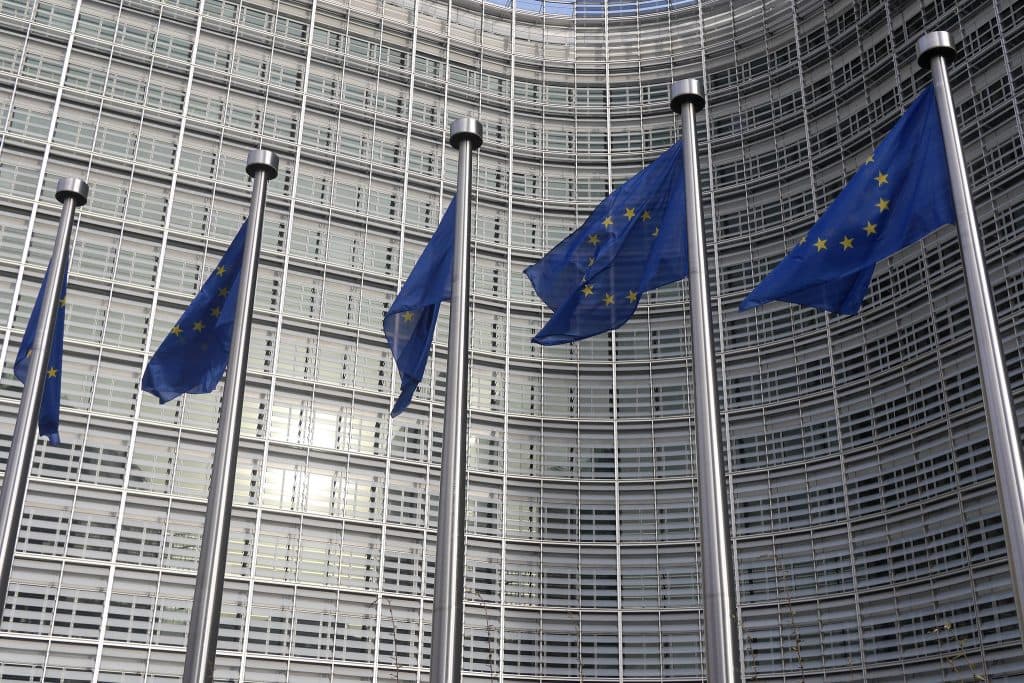
Several large EU countries are calling for the carbon border tariffs (CBAM) in force at the bloc’s borders to be expanded in the coming years, helping to repay more than 300 billion euros of pandemic-era debt. But not all countries agree.
As negotiations on the next seven-year EU budget approach, the question of how to cover repayments on 300 billion euros of debt is becoming increasingly pressing. The debt was incurred in 2021 to stabilise an economy ravaged by Covid.
If no solution is found, the consequences could be severe, disrupting EU funds that are usually allocated to everything from agricultural subsidies to defence.
There are growing calls for the EU to find new sources of revenue, one of which could be an expansion of the carbon tariffs known by the acronym CBAM. France, Italy and Poland are the strongest proponents, Politico reports.
The tariffs will initially apply to emissions-intensive industries such as steel, cement and aluminium production, as well as imports of electricity and hydrogen. Their aim is to ensure that imported goods pay a price for emissions in line with EU standards. The system already provides for a review by 2025 of the sectors covered, with the possibility of expanding its scope.
More is more
There are three main ways to generate revenue through CBAM: it can be extended to new sectors, amended to cover exports as well as imports, or adjusted to include “downstream” products made using imports covered by CBAM — that is, finished or semi-finished products rather than only basic goods such as steel.
Expanding CBAM would, of course, cover only a small share of the EU’s debt repayments, which are expected to amount to 25 to 30 billion euros a year — as much as 20% of the bloc’s current annual budget. But its proponents say it would be a start.
“We need to find new own resources,” Polish Deputy Finance Minister Paweł Karbownik told POLITICO, using Brussels jargon for tax revenues flowing directly into the EU budget. “And of the new own resources currently on the table, CBAM could be the most promising.”
Up for debate
Not everyone is convinced, however. More free-market-oriented countries fear that Donald Trump’s administration will target them — even though the carbon tariffs apply to EU importers, not foreign companies. With the EU already on the brink of a trade war with the US, they worry this would be a risky move.
One of the plan’s strongest proponents, Poland, also currently has influence over political discussions in the EU. Poland will hold the bloc’s six-month rotating presidency until July, and its European Commissioner, Piotr Serafin, will oversee the budget portfolio for the next five years.
Translation disclaimer
This article is a machine translation of the Czech original and has not yet been fully reviewed. In case of any doubt, please refer to the Czech version.
Sdílejte článek prostřednictvím:
You might also like


23 October 2026, 11:01


23 October 2026, 06:34