COP30 in Brazil: What this year's climate conference brought

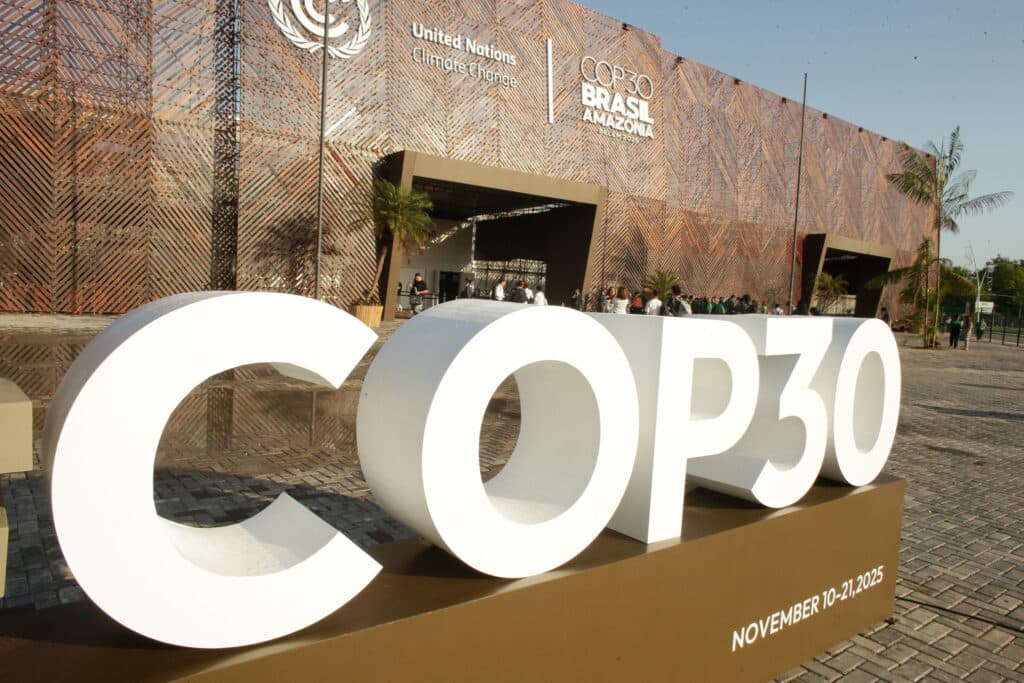
The COP30 conference in Belém, which ended last Saturday, highlighted deep divisions in global climate policy. The main topics at this year's climate meeting were a decisive shift away from fossil fuels, climate finance and the future of the COP conferences themselves.
COP30 will likely go down in history as one of the most controversial climate meetings in its thirty-year history. The outcomes were reported, for example, by the British BBC. Negotiators from individual countries that are parties to the Paris climate agreement, for example, were unable to agree on almost any new commitments to phase out fossil fuels.
Many countries, particularly those most at risk from the impacts of climate change, were disappointed that the final agreement made no mention of oil, gas or coal. Others, particularly developed countries such as the US, described the dismal outcome as proof that international climate policy in its current form has no future.
Although host country Brazil was praised for its symbolism, the compliments were not directed at the conference leadership or the negotiations themselves. President Luiz Inácio Lula clearly pushed for an agreement on a plan for a complete phaseout of fossil fuels. COP President André Corrêa do Lago, by contrast, had more realistic expectations and stressed that the priority was to find broad consensus on the issues under discussion.
The first drafts of the agreement intended as the outcome of this year's conference contained vague indications of an obligation to phase out fossil fuels gradually. These provisions later disappeared from the text. One reason was that Arab countries refused to take part in discussions on phasing out fossil fuels.
For the European Union, some observers described it as a “bad COP”. While negotiators focused on the need to introduce a plan for fossil fuels, they overlooked another part of the final text concerning climate finance. The text ultimately retained vague wording on “tripling” financial resources. The EU did not object, and the amount to be tripled was not defined.
The summit also sparked debate over whether the COP process itself remains fit for purpose. Some critics questioned the point of bringing together thousands of delegates from around the world, while others argued that the consensus-based format belongs to a different geopolitical era.
International trade came to the fore, driven by disputes over the planned EU carbon border tariff. While Europe insists that the measure merely levels the playing field on climate costs, countries such as China, India and Saudi Arabia consider it unfair and unilateral. The issue was ultimately postponed for future talks.
The US and China influenced the summit in opposing ways: US President Donald Trump by staying away and encouraging obstructive allies; China by remaining in the background, striking several bilateral agreements and strengthening its dominance in clean energy markets.
Translation disclaimer
This article is a machine translation of the Czech original and has not yet been fully reviewed. In case of any doubt, please refer to the Czech version.