23 October 2026, 14:38
Loading...
Germany plans radical changes to renewable support scheme
Daniel Grecman
13 July 2024, 12:32
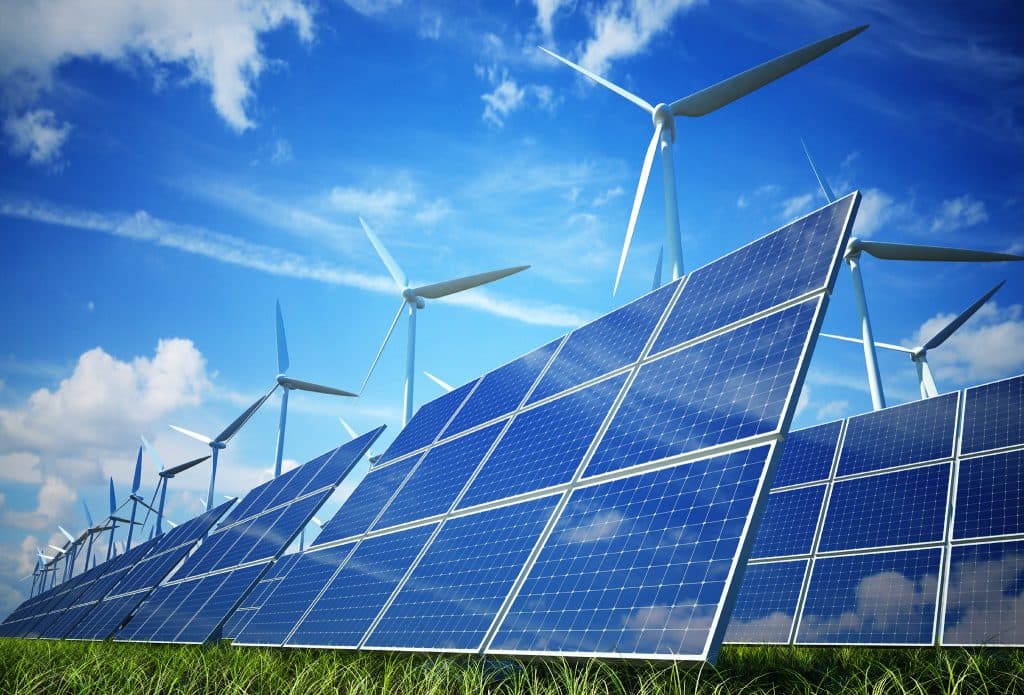
The German government has agreed to implement radical changes to the support scheme for the country’s renewable energy development. Changes to support for conventional power plants, specifically natural gas-fired plants, have also been approved. These are and will be necessary to balance the supply side of the market given the variable output or generation of renewables.
Energiewende
Germany’s renewable energy support law dates back to the late 1990s. It guarantees operators of solar (PV) and wind power plants operating support for a period of 20 years from the commissioning of a new facility. It helped make Germany a pioneer in the renewables market. However, the support scheme is now set to change. Government representatives made the information public on 5 July.
“Our goal is an electricity market that ensures a secure, affordable and emissions-neutral electricity supply with at least an 80% share of renewables,” states the internal agreement of the coalition parties, as reported by Euractiv.
Under the new government agreement, the support scheme is set to change from 2025. However, it is first necessary to note that German operating support differs from that in Czechia, and Germany has received approval for it from the European Commission only until the end of 2027. Investors there have so far competed for operating support, with the lowest guaranteed price being bid. If day-ahead market prices are higher, producers can retain the profits. This is why the results of German auctions fall below 60 EUR/MWh for PV.
In Czechia, by contrast, auctions operate on the basis of two-way contracts for difference. The producer bids for a reference purchase price and, if the spot market price in a given hour is lower, the market operator (OTE) pays support for that hour equal to the difference between the spot price and the awarded price. However, if the spot price is higher, the producer pays OTE the difference relative to the awarded price. Settlement, or clearing, takes place on a monthly basis. The system is already applied to wind power plants, but no auction for PV has yet been planned under the government regulation.
But back to German support. In the event of negative market prices, even for just a single hour, support should not be paid during that period – it remains to be seen whether there will be any exceptions (for example, for facilities commissioned by a certain date). The aim is to eliminate the frequent and sometimes extreme occurrence of negative market prices. In other words, producers will have to manage their plants more actively. Currently, support is not paid if negative market prices occur for several consecutive hours. This is the first major change. In Czechia, operating support is already structured so that no support is paid when a negative price occurs. And negative prices are becoming increasingly frequent.
Investment support to replace operating support
The second change, however, is far more significant. Support for new renewables in Germany is to be provided through investment grants rather than operating subsidies. Industry associations there assess the government’s move as highly risky, with an uncertain outcome. However, according to government representatives, annual operating support for renewables already costs Germany around 17 billion EUR.
In Czechia, only investment grants are being offered for PV. Power plants must then, ideally, secure so-called PPA contracts (long-term electricity sales contracts) with large electricity consumers willing to pay the producer an agreed price for the contracted volume of electricity. In this case, the consumer effectively assumes the role of the state as the counterparty ensuring the project achieves the required return.
Given that the market for PPA contracts in Czechia is virtually non-existent, the number of projects that will be implemented is a major unknown, despite being awarded investment support. More here. Note: Germany is far ahead of Czechia in the PPA market – see here.
“The deployment of new renewables will be through investment grants,” the agreement states. “So that new facilities respond to price signals.”
Translation disclaimer
This article is a machine translation of the Czech original and has not yet been fully reviewed. In case of any doubt, please refer to the Czech version.
Sdílejte článek prostřednictvím:
You might also like
23 October 2026, 11:01

23 October 2026, 06:34