7 November 2026, 17:23
Loading...
Germany's electricity export surplus fell sharply year on year, with imports dominating in the second quarter

Jiří Salavec
11 September 2023, 14:32
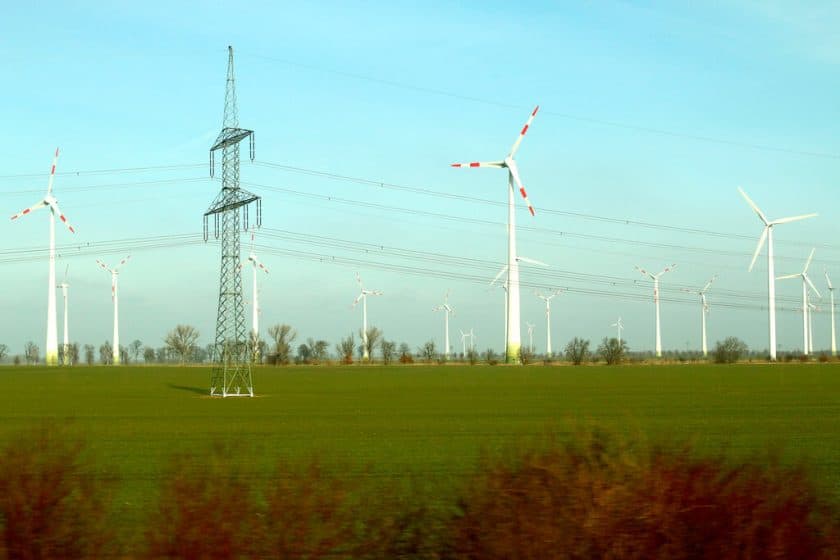
Germany exported 32.6 TWh of electricity in the first half of this year, while imports climbed to 30.6 TWh. The country's export surplus stood at 16.5 TWh in the first half of 2022, but this year it was only 2 TWh. Germany has been a net exporter of electricity on an annual basis since 2003, with net exports reaching around 50 TWh in 2015–2018, for example.
The German Federal Statistical Office published preliminary data on electricity generation, exports and imports for the first half of 2023. From January to June, the country generated 233.9 TWh of electricity and exported 32.6 TWh, around 18% less than in the first half of 2022 (39.9 TWh). Electricity imports, by contrast, rose by more than 30% year on year, from 23.4 TWh to 30.6 TWh.
Germany's total export surplus for the first six months of this year was therefore just 2 TWh, compared with 16.5 TWh last year. The office also reported that data for the second quarter alone show imports clearly dominating.
"If we consider only the second quarter of 2023, when nuclear power plants managed to generate just 1 TWh of electricity before being shut down on April 15, significantly more electricity was imported (18.5 TWh) than exported (11.4 TWh)," the office said in a press release.
Germany has had a net annual export balance since 2003. Over the past 10 years, the difference between exports and imports has always exceeded 20 TWh of electricity. In 2015–2018, it even reached around 50 TWh.
Renewables' share is growing
While the share of electricity generated from conventional sources fell year on year from 51.6% to 46.6%, the share of renewables is growing. In the first half of the year, renewables generated more than half of Germany's electricity—53.4% in total. Wind power plants accounted for the largest share and, despite a slight fall in absolute generation, increased their share of the electricity mix to 28.6%. Similarly, although photovoltaic power plants supplied almost 6% less electricity year on year (largely due to the sunny year in 2022), their share rose to 11.9%.
Translation disclaimer
This article is a machine translation of the Czech original and has not yet been fully reviewed. In case of any doubt, please refer to the Czech version.
Sdílejte článek prostřednictvím:
You might also like

7 November 2026, 13:37

6 November 2026, 14:13