7 November 2026, 17:23
Loading...
Germany's lignite reserve could be activated this winter

David Vobořil
21 October 2023, 13:09

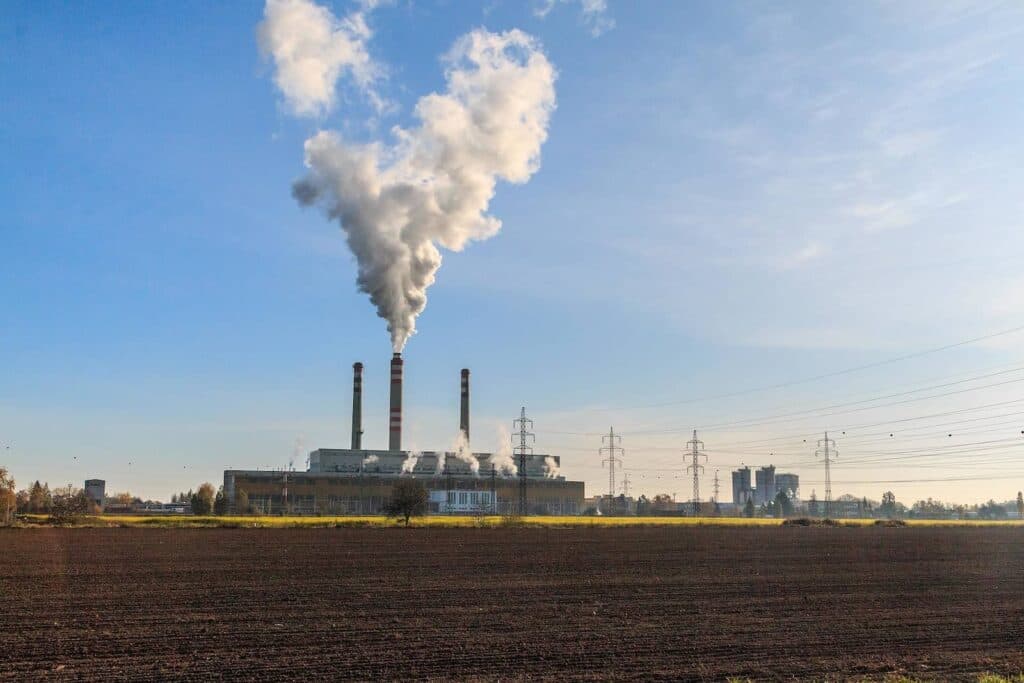
Germany could use this winter its “supply reserve”, i.e. reserve lignite-fired power plants, which were transferred to this reserve last year during the energy crisis. The plants in this reserve are ready to be activated to ensure the adequate supply of gas to meet demand.
Although German gas storage facilities are around 97% full, Germany still faces the risk of gas supply interruptions this winter, the German association of gas and hydrogen storage operators (INES) warned. Energy company RWE reached the same conclusion.
The German government has extended the period for which its supply reserve will be maintained through the end of March next year. The reserve comprises lignite-fired power plants with a total installed capacity of 1.9 GW. If necessary, these plants are intended to help reduce natural gas consumption in the energy sector.
The supply reserve was established after Russia launched its war on Ukraine, with the aim of reducing Germany’s dependence on Russian gas supplies. It includes RWE power plant units Neurath C (292 MW), Niederaussem E (295 MW) and Niederaussem F (299 MW), as well as LEAG units Jaenschwalde E and F (each with a capacity of 500 MW). Under the original plan, these units were to be permanently shut down in 2022 as part of Germany’s gradual move away from using coal in the energy sector.
LEAG expects to bring its two lignite-fired units in the reserve online during the winter, spokesperson Kathi Gerstner said. “We expect the two 500 MW units to make a significant contribution to security of supply ... for a limited period, until 31 March 2024,” she said.
RWE spokesperson Jan Peter Cirkel said the units in the reserve could help secure natural gas supplies this winter, but declined to predict whether they would be brought online.
Translation disclaimer
This article is a machine translation of the Czech original and has not yet been fully reviewed. In case of any doubt, please refer to the Czech version.
Sdílejte článek prostřednictvím:
You might also like

7 November 2026, 13:37

6 November 2026, 14:13