23 October 2026, 14:38
Loading...
Negative auctions, negative impacts: German offshore sector criticises government and calls for auction reform
Adam Sosna
26 June 2025, 10:07
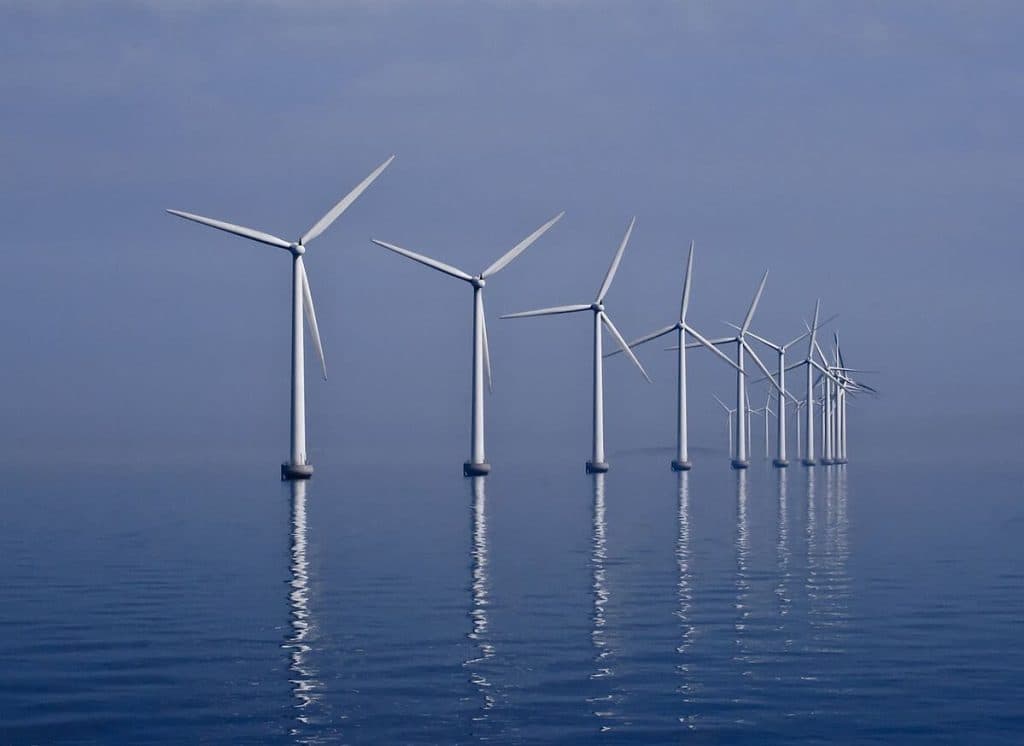
The German government is facing sharp criticism from the wind industry, not only over a proposal to redirect proceeds from offshore wind auctions to the federal budget. The outcome of the latest tender exposed structural weaknesses in the system – a sharply declining number of participants and revenues. Excessive bureaucracy, including a new requirement for so-called overplanting, is increasing investment risks, according to the sector. Industry associations are calling for reform of the auction system and the introduction of two-way contracts for difference (CfDs), which would increase investment certainty and restore market confidence.
The proposal by Friedrich Merz's federal government to redirect revenues from offshore auctions to the federal budget has prompted a sharp reaction from the industry. Until now, these funds had been earmarked to reduce grid connection charges. Under the new plan, however, they would be used to “plug holes” in the federal budget. The Offshore Wind Federation (BWO) warns that the move undermines the original purpose of the auctions and threatens investor confidence.
“The design of offshore auctions is outdated. The plan to redirect the proceeds to the budget is an example of political greed and ignores market realities,” said BWO managing director Stefan Thimm. According to him, auction proceeds should not be spent without any connection to the costs of transforming Germany's energy system, as this runs counter to established practice.
Latest auction: less money, fewer bidders, more risks
The latest auction this year, concerning a 1.2 GW wind farm at the N-9.4 site in the North Sea, ended in the so-called negative phase. In this phase, developers compete over who will pay the state more for the right to build – without any state support. France's TotalEnergies won the tender and will pay €180 million for the right to build and operate the wind farm. This is significantly less than in previous tenders. Only two bidders remained in the second phase of the tender, substantially fewer than was customary.
This is already the latest in a series of “negative” auctions in recent years. Germany will receive several billion euros in this way. However, the industry says structural gaps and the obsolescence of the current system are becoming apparent. WindEurope warns that the design of Germany's offshore auctions urgently needs to be reviewed. Negative prices make projects more expensive, it says, while rising investment costs are passed on to consumers through higher bills. At the same time, under the sector's current conditions, the number of developers able to bid for projects in the dynamic phase is declining.
BWO notes that this year's revenues from offshore wind auctions are 85 % lower than last year's. The lower number of interested parties indicates that project investment risks are rising sharply. According to the federation, continuing with the current design of German auctions would be irresponsible. The current framework prioritises short-term budget revenues over ensuring the long-term financial viability of projects and the sector as a whole. One factor blamed is the new overplanting rule. The latest wind farms must be oversized by up to 20 % relative to their grid connection capacity.
Industry calls for less bureaucracy and contracts for difference
Key offshore sector associations are demanding that this requirement be scrapped and calling for broader reform of the auction design. Oversizing wind farms was intended to provide more days when a plant can operate at full output, unconstrained by grid capacity. However, industry representatives say overplanting undermines the economic viability of new offshore farms. The head of VDMA, the association representing turbine manufacturers and their suppliers, has expressed this view, for example.
Sector representatives are also asking the German government to double to 12 months the period within which auction winners must build and commission wind farms. Under the current framework, developers are required to bring 95 % of the awarded capacity into operation within six months of the wind farm being connected to the grid by the transmission system operator (TSO). Otherwise, they risk having their projects withdrawn. According to the director of the German Offshore Wind Federation (BWO), this is harsh given the problems and external factors that supply chains often face.
All leading associations linked to Germany's offshore industry (BWO, WindEurope, VDMA Power Systems and the Offshore Wind Foundation) therefore agree that the federal government must substantially change the auction system this year. As part of the reform, alongside extended deadlines and an end to overplanting, they envisage improving project investment security through stronger guarantees. According to VDMA, the preferred approach is a contracts for difference (CfD) model. They point to the widespread use of two-way CfDs in most European markets.
The next offshore auction, for 2.5 GW across two prepared sites, will close in Germany on 1 August. Given the strong voices from the industry, it will be interesting to see whether the trend of declining bidder numbers and auction revenues is confirmed.
Translation disclaimer
This article is a machine translation of the Czech original and has not yet been fully reviewed. In case of any doubt, please refer to the Czech version.
Sdílejte článek prostřednictvím:
You might also like
23 October 2026, 11:01
23 October 2026, 06:34