11 October 2026, 08:24
Loading...
Negative electricity prices point to need to reform Germany's energy sector, says minister Reiche

David Vobořil
8 May 2026, 07:04
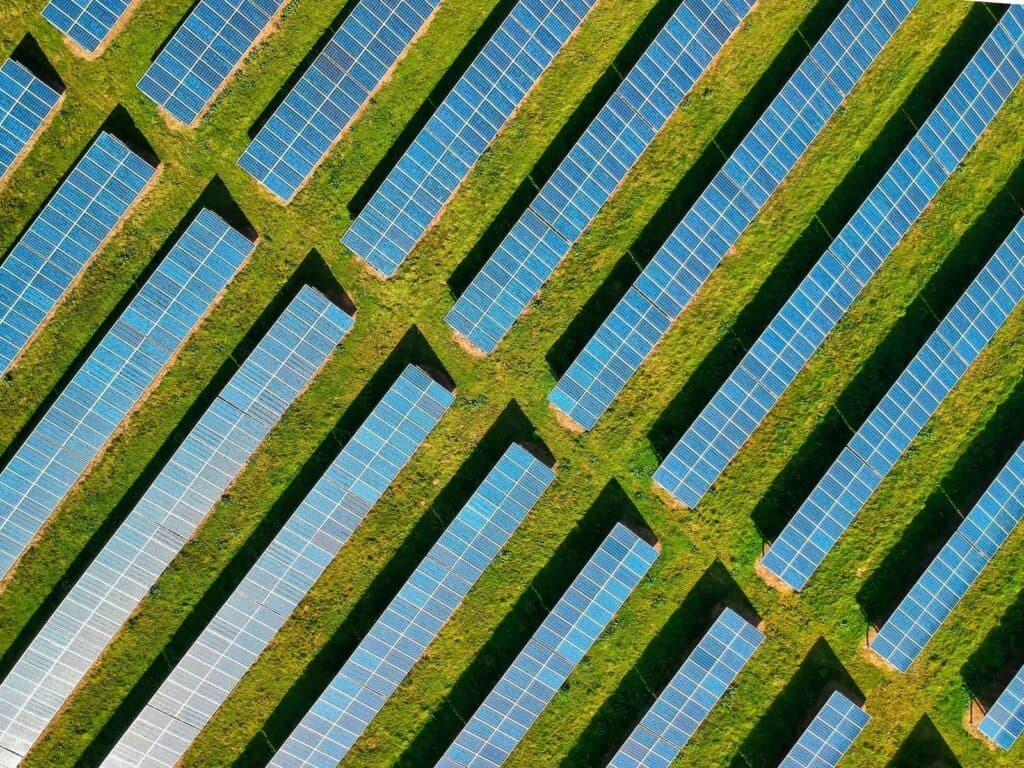
Germany recorded deeply negative electricity prices over a sunny long weekend. According to Federal Minister for Economic Affairs and Energy Katherina Reiche, the latest developments point to structural shortcomings in the German energy system, particularly the mismatch between the rapid expansion of renewable energy sources and the slower expansion of the grid.
During the public holiday, electricity prices on the German day-ahead market fell as low as -500 EUR/MWh, and remained deep in negative territory the following day, at around -147 EUR/MWh. This was due to a combination of very high output from solar power plants and low electricity demand.
As a result, Germany had to export as much as tens of GW of electricity at negative prices, according to the minister, meaning that buyers were effectively paid to take the electricity. Reiche said this resulted in direct financial losses amounting to millions of euros.
“We need to put our energy transition back on track,” Reiche told attendees at a conference in Berlin organised by the Economic Council, a business lobby with close ties to the ruling Christian Democratic Union.
Mismatch between generation and infrastructure
According to Reiche, these situations clearly demonstrate the inefficiency of the current energy transition model. The key problem is that the expansion of renewable energy sources, particularly photovoltaics, is proceeding faster than the expansion of the transmission and distribution networks.
“It’s not that I don’t want solar power to expand. The point is to coordinate the development of renewables and the grid,” the minister said. The goal, she added, must be a system that is not only low-emission, but also functional, secure and economically efficient.
Insufficient grid capacity means that electricity cannot be efficiently transported from generation sites to centres of consumption. As a result, renewable energy generation has to be curtailed. This is reflected in the costs of stabilising the system, and therefore in final electricity prices, but not in wholesale electricity prices, according to Reiche’s remarks. In this case, only more robust cross-border interconnections would help, allowing surplus electricity to be exported.
The real problems lie elsewhere
In Germany, wholesale electricity prices have regularly fallen into negative territory in recent years during periods of low demand, especially over the Christmas and Easter holidays, when conditions are also favourable for wind and solar power generation.
Negative wholesale electricity prices occur when electricity generation exceeds consumption. This situation has two main causes:
- The first is the design of operating support for renewable energy sources. Because they receive non-market-based funding, they are given priority in the merit order over sources with higher marginal costs per unit of energy produced. At the same time, many of these renewable sources receive operating support for each unit of electricity generated, based on their auctioned price (the so-called strike price), regardless of the current market price and therefore of market demand. Their operators thus have no incentive to reduce their feed-in when electricity prices are negative.
- The second is that some conventional power plants in the electricity system cannot cost-effectively reduce their output to match current electricity demand.
A more detailed analysis of the reasons for the oversupply in the German electricity market was published in a report by BNetzA.
Germany has adjusted its support scheme several times in the past by limiting the number of hours with negative electricity prices during which renewable energy sources are eligible for operating support. However, the changes have never applied to sources that were already connected to the grid, which therefore continue to receive operating support even when electricity prices are negative.
Planned changes to renewable energy support
The Ministry of Economic Affairs is therefore preparing legislative changes to mitigate these problems. The proposed measures include ending or postponing support for some private solar systems and renewable energy generation facilities in areas with high levels of grid congestion.
The aim is to create stronger incentives for investment in projects that are better aligned with the grid capacity available in a given area.
Challenges of the Energiewende
This trend also highlights the growing importance of flexibility—the ability to use electricity when it is plentiful or in surplus, and to reduce consumption when generation is insufficient.
Without more significant investment in grids, storage and flexible generation, such situations will become more frequent. This could increase costs across the system and complicate the further expansion of renewable energy in Germany.
Translation disclaimer
This article is a machine translation of the Czech original and has not yet been fully reviewed. In case of any doubt, please refer to the Czech version.
Sdílejte článek prostřednictvím:
You might also like

10 October 2026, 13:19

10 October 2026, 07:37

10 October 2026, 07:02