
17 October 2026, 13:09
Loading...
Super-ministry split: How will Germany approach the energy transition?
Veronika Jurcová
10 May 2025, 12:17
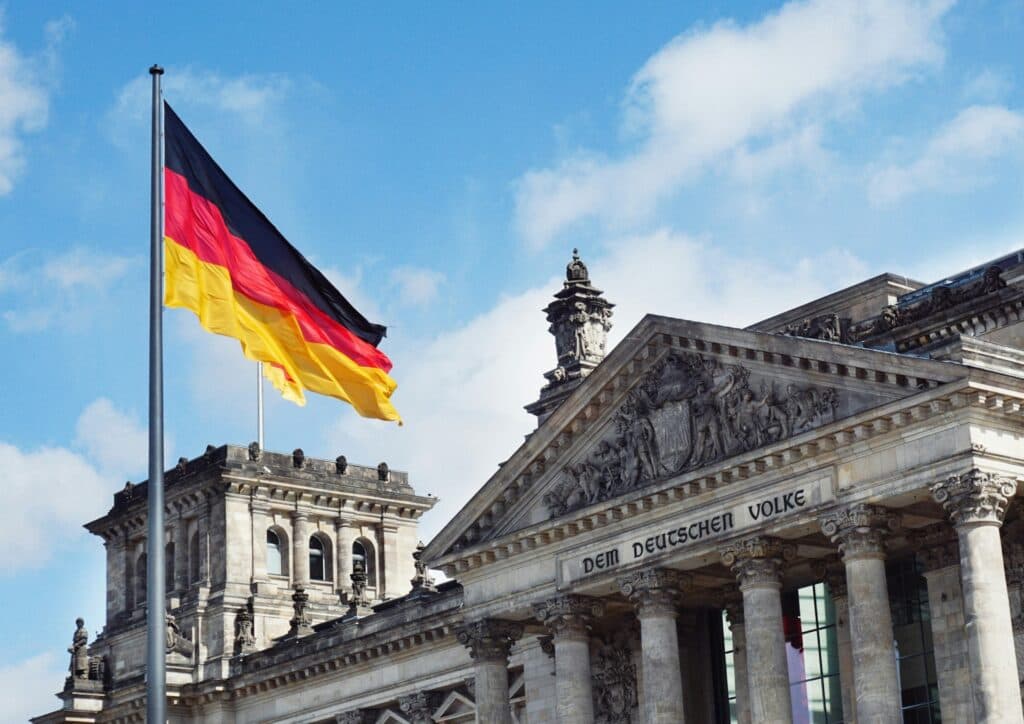
Germany’s new government, formed after February’s election, has redistributed responsibility for climate policy and energy between two ministries. Katherina Reiche (CDU) will head the Ministry for Economic Affairs and Energy, while the Ministry for the Environment, Nature Conservation and Climate Action will be led by Carsten Schneider (SPD). The move signals a shift in the approach to energy and climate policy, with a greater focus on stability and the development of energy sources, including gas and renewables, alongside nature conservation and meeting climate targets in line with international commitments, reports S&P Platts.
Splitting up the super-ministry
Over the past four years, climate policy in Germany was considered a key economic and international issue. It was concentrated within the Federal Ministry for Economic Affairs and Climate Action, led by Robert Habeck of the Green Party, and partly within the Foreign Office, led by Annalena Baerbock. This model aimed to integrate climate policy into economic strategies and foreign diplomacy.
The new government has split up the former “super-ministry” for economic affairs and climate action. Climate policy has been removed from its remit and returned to the Environment Ministry, now headed by Carsten Schneider (SPD), the former minister for eastern Germany. He is now responsible for meeting climate targets and representing the country at international climate negotiations.
The Ministry for Economic Affairs and Energy, stripped of its climate responsibilities, has been taken over by Katherina Reiche (CDU), a former energy industry executive. Her ministry nevertheless remains key to implementing the energy transition.
Splitting the ministry raises the risk that climate action will be viewed in isolation rather than as an integral part of economic and industrial policy, potentially leading to disputes between the conservative CDU and the centre-left SPD. There is also a risk of renewed tensions between ministries and a weaker integration of climate policy into broader government strategies. This is particularly sensitive at a time when the economy is recovering from recession and climate protection is often seen as an obstacle for industry.
Stabilising energy prices, security of supply and infrastructure construction
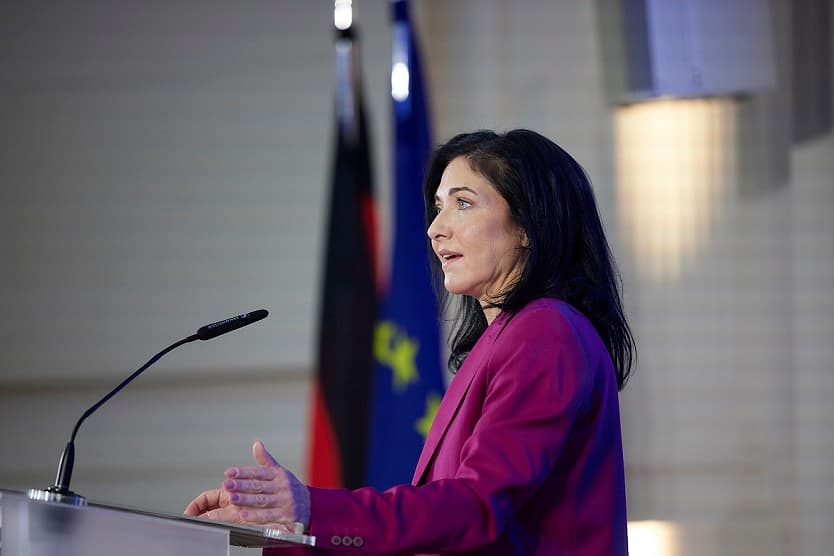
Germany’s new economy and energy minister, Katherina Reiche, stressed in her inaugural address on 7 May the need for a more pragmatic approach to developing renewable energy sources. She described their growth to date as successful, but said it had not been sufficiently coordinated with the development of transmission grids.
Against a backdrop of economic stagnation, she highlighted the need to stabilise or reduce high electricity prices, particularly for industry, and plans to review grid charges and the use of reserve power plants. She also warned against underestimating system risks, as illustrated by the recent power outage on the Iberian Peninsula.
“The power outage on the Iberian Peninsula showed how vulnerable the electricity system can be,” she said. “We must be prepared to minimise risks of this kind. The expansion of wind and solar power has advanced our climate protection efforts. But system risks and costs have been underestimated,”Source: Federal Ministry for Economic Affairs and Energy: Katherina Reiche, Federal Minister for Economic Affairs and Energy
Her aim is to present concrete milestones for the energy transition before the summer recess, as stipulated in the coalition agreement. The coalition also plans to cut end-user electricity prices by around 50 euros/MWh.
Other priorities for Katherina Reiche include ensuring secure and affordable energy supplies during the transition to renewables, without jeopardising the country’s industrial stability. In her view, accelerating construction of new energy infrastructure will be crucial, including transmission grids, battery storage and technologies for green hydrogen. She has also ruled out a return to nuclear power, which she considers too expensive and lacking public support.
Reiche emphasises close cooperation with industry representatives on decarbonising production processes, while seeking to ensure that energy policy is economically sustainable and consistent with the commitments of the Paris Agreement. As minister, she will oversee key parts of the so-called Energiewende, particularly in electricity and heat, and considers it essential to simplify permitting procedures, support domestic production of energy technologies and strengthen digital infrastructure. Her approach also includes preparing a predictive plan to manage rising electricity demand linked to electric mobility and digitalisation.
Economy Minister Katherina Reiche stressed that renewables alone are not yet capable of ensuring a reliable and affordable electricity supply for a highly industrialised country such as Germany. The new German government therefore also intends to support long-term gas supply contracts and emphasises diversifying sources through broader energy partnerships. Germany is also investing in new long-term contracts with US LNG projects. In line with the coalition agreement, the government plans to build up to 20 GW of gas-fired power plants, with tenders expected to begin as soon as possible.
“Renewable energy sources alone will not be able to supply an industrialised nation like Germany with electricity reliably and at affordable prices. And as the EU’s largest electricity consumer, we cannot rely solely on our neighbours. We need dispatchable electricity generation at home. The coalition agreement specifies up to 20 GW of gas-fired power plants. Tenders for these plants must begin quickly,” Reiche said.
Climate and the environment
In his first public appearance, Germany’s new environment minister, Carsten Schneider (SPD), highlighted the importance of a healthy natural environment for the success of climate policy and the energy transition. He called nature a key ally in the fight against climate change and pledged support for innovative emissions-reduction technologies. He said he looked forward to working to protect natural resources such as soil, water and air, and welcomed the return of national and international climate policy to the Environment Ministry, reports Argus Media.
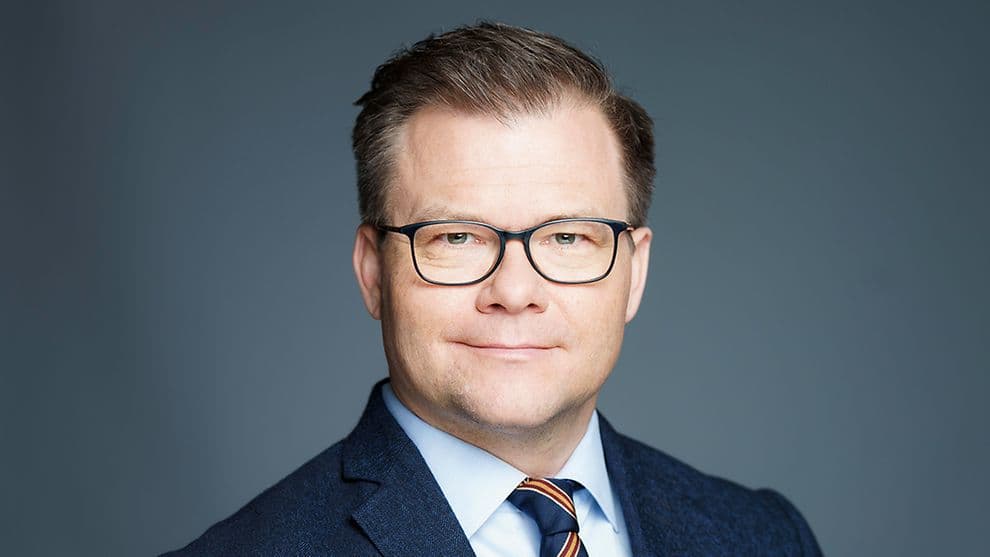
Source: Federal Government/Steffen Kugler: Carsten Schneider, Federal Minister for the Environment, Climate Action, Nature Conservation and Nuclear Safety
Schneider supports an integrated approach to protecting the climate and nature and intends to continue measures already in place, particularly support for natural ecosystems such as forests, moors and bodies of water. He also plans to strengthen assistance for cities and municipalities as they adapt to climate change.
Although he has no direct experience in climate or environmental matters, Schneider can draw on the strong expertise of his permanent state secretary, Jochen Flasbarth. Flasbarth has extensive experience in climate diplomacy and took part in key international negotiations, including those leading to the 2015 Paris climate agreement. With this combination of political influence and expertise, the ministry expects to maintain continuity in its climate agenda and strengthen the environmental dimension of German policy.
Translation disclaimer
This article is a machine translation of the Czech original and has not yet been fully reviewed. In case of any doubt, please refer to the Czech version.
Sdílejte článek prostřednictvím:
You might also like




16 October 2026, 10:16