6 November 2026, 14:13
Loading...
Czech district heating decarbonization will be challenging, industry players signal
Klára Čeperová
11 October 2023, 06:41
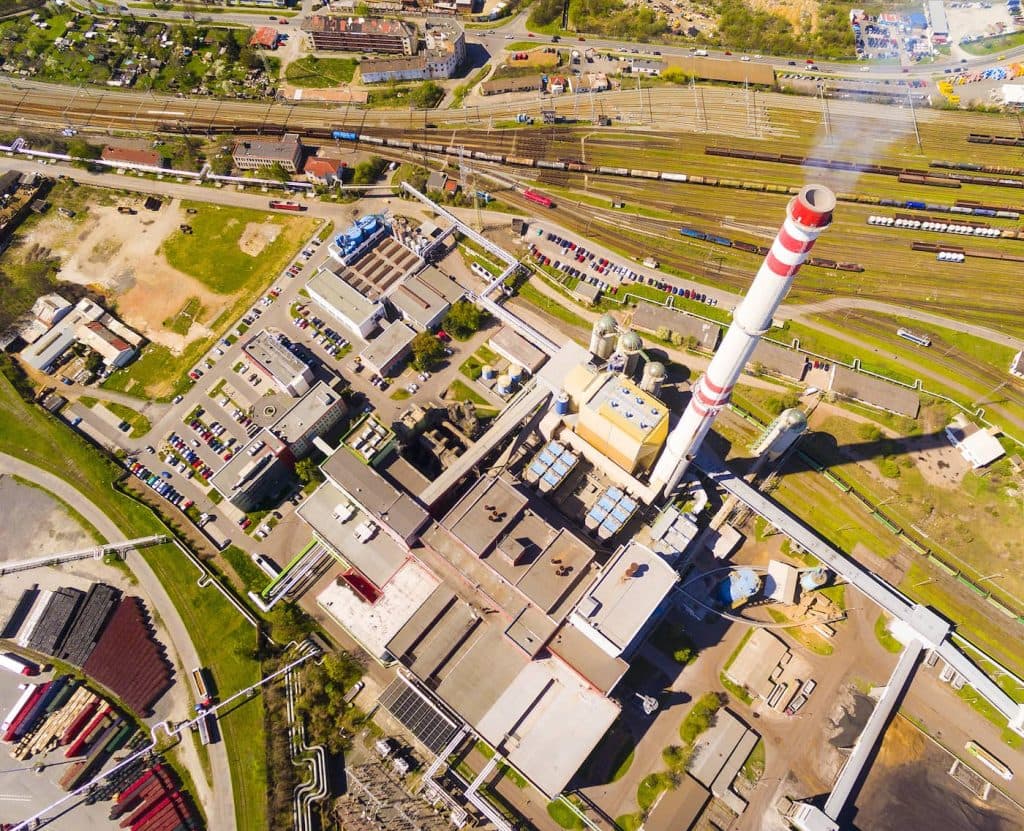
Europe faces a technical challenge in transforming household heating systems to achieve climate neutrality by 2050. Eastern EU countries such as Poland rely on coal-fired heat and must switch to greener alternatives. Meeting these requirements calls for major investment and could mean higher costs for users.
District heating networks, which were developed in part as part of centrally planned systems, spread rapidly to Nordic countries after the oil crises of the 1970s. Today, district heating supplies 12% of the EU’s heating and hot water needs, with the share reaching as much as 40% in countries such as Poland.
Requirements under EU legislation
In Central and Eastern Europe, water is heated mainly by burning coal. These countries therefore face major changes to their systems. They will have to switch to greener alternatives to meet the EU’s climate neutrality targets, Euractiv reports.
"The Energy Efficiency Directive introduces several measures relating to the district heating and district cooling sector," explained Madis Laaniste, an energy policy officer at the European Commission’s Directorate-General for Energy.
By 2028, heating networks must use a mix of 50% renewables, 50% waste or 75% heat from combined heat and power generated by nearby industry and power plants to be classed as "efficient". The requirements will gradually become stricter, and from 2050 district heating will have to be fully renewable or use waste heat from industry.
The EU’s Renewable Energy Directive is adding pressure, setting an indicative target to increase the share of renewables in district heating by more than 2% a year. Reliance on biomass, which is intended to help replace fossil fuels, will also become more challenging as sustainability rules tighten.
"After 2030, new investments using fossil fuels will not be supported," Laaniste explained, adding that "after 2035, systems using only fossil fuels will not be supported".
The price of emissions allowances under the EU Emissions Trading System (ETS) is also expected to rise by 2040. Euractiv reports that some forecasts put it above 400 euros per tonne, putting pressure on the district heating sector in Eastern Europe to transform.
Different approaches
Just 7% of the energy used in Polish heating networks is green. Polish heating companies say the transformation is challenging and requires state support. Depending on the scenario, meeting the requirements will cost more than 90 billion euros in Poland alone to decarbonize the district heating sector, said Pawel Szczeszek, president of the Polish heating company PTEZ and vice-president of the country’s electricity industry association PKEE.
Cities such as Warsaw face particular challenges, with 1 800 kilometres of pipeline supplying heat to 80% of households.
Germany sees district heating as the future and an answer to decarbonization. It plans to connect 100,000 buildings to district heating every year.
Vienna as an example
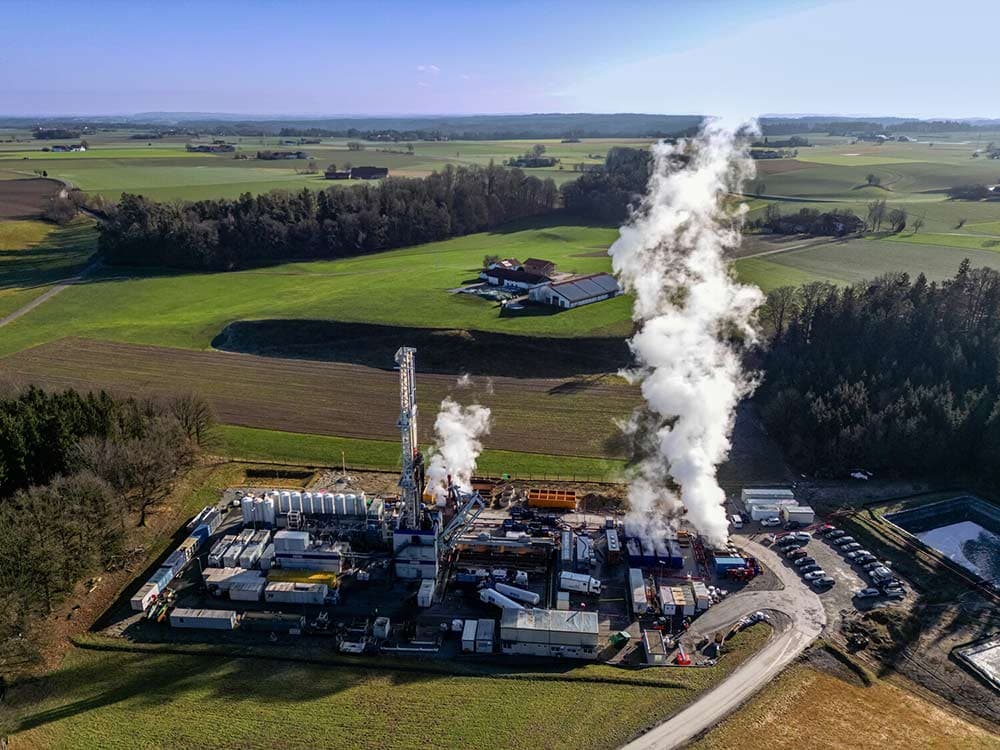
Transforming heating systems is a technical and financial challenge that needs to be addressed. Julien Joubert, who works on transition planning at Energy Cities, a European association of local and regional authorities, points concerned national government and heat supplier representatives to Vienna, which plans to expand its use of geothermal energy. Germany is also considering this approach.
From 2026, Viennese energy company Wien Energie plans to supply 20 000 households with hot water from geothermal energy. This number is set to rise to 120 000 households by 2030, before the city’s heating network becomes fully climate-neutral by 2040.
Translation disclaimer
This article is a machine translation of the Czech original and has not yet been fully reviewed. In case of any doubt, please refer to the Czech version.
Sdílejte článek prostřednictvím:
You might also like

6 November 2026, 10:25