UK lags in hydrogen development while Scotland eyes offshore wind potential
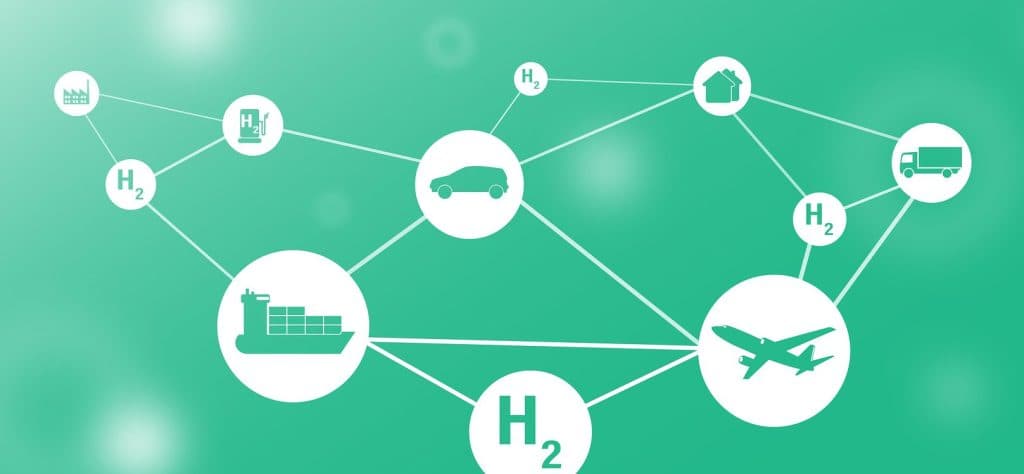
The UK has fallen from second to eighth place in an index measuring major economies’ readiness to deploy clean hydrogen, Hydrogen UK and the Energy Networks Association (ENA) said. The joint report by the two trade bodies compared clean hydrogen development policies in the UK with those in 16 countries, including India and Saudi Arabia, reports the Financial Times. S&P Global Commodity Insights highlights Scotland’s potential to harness wind power offshore to produce green hydrogen, which could help the UK and the EU meet their net-zero targets.
Progress in developing clean hydrogen in the UK has slowed since 2021. Competition for international investment has increased dramatically, and the UK has fallen from second place, behind South Korea, to eighth, behind the US, Canada, Germany, the Netherlands, France and Japan.
“Missed opportunities to approve the necessary legislation and policy uncertainty around the policies and financial measures needed to support the rollout of hydrogen in the UK mean that no major projects have reached a final investment decision,” the organisations said in a report published on 5 September, despite the government having set a target of 10 gigawatts of production capacity by 2030.
The Climate Change Committee has expressed a similar view, saying in June that the UK is making “worryingly slow” progress and has “lost its global leadership” on the path to its 2050 net-zero target.
ENA’s Gas members and Hydrogen UK set out four recommendations for the UK:
- Faster and more flexible support for production
- Immediate identification and support for strategic infrastructure
- Clarification of hydrogen’s minimum roles in industry, power, transport and heating, with supporting measures
- Stimulating domestic supply chains to maximise economic opportunities
The assessment comes amid growing debate within the governing Conservative Party over its commitment to green policies ahead of the upcoming election, which is expected next year.
Recent changes in government leadership, including the appointment of a new energy secretary, Claire Coutinho, a close ally of Rishi Sunak and a former member of the Conservative Environment Network, suggest that the UK is looking for ways to accelerate clean hydrogen development and meet its emissions reduction targets.
One of the new minister’s key tasks will be to draft an energy bill that includes measures to support hydrogen adoption, which was presented to Parliament more than a year ago. Public opinion and concerns about additional costs for households could, however, pose an obstacle to the adoption of policies aimed at reducing carbon emissions.
Scotland’s wind potential
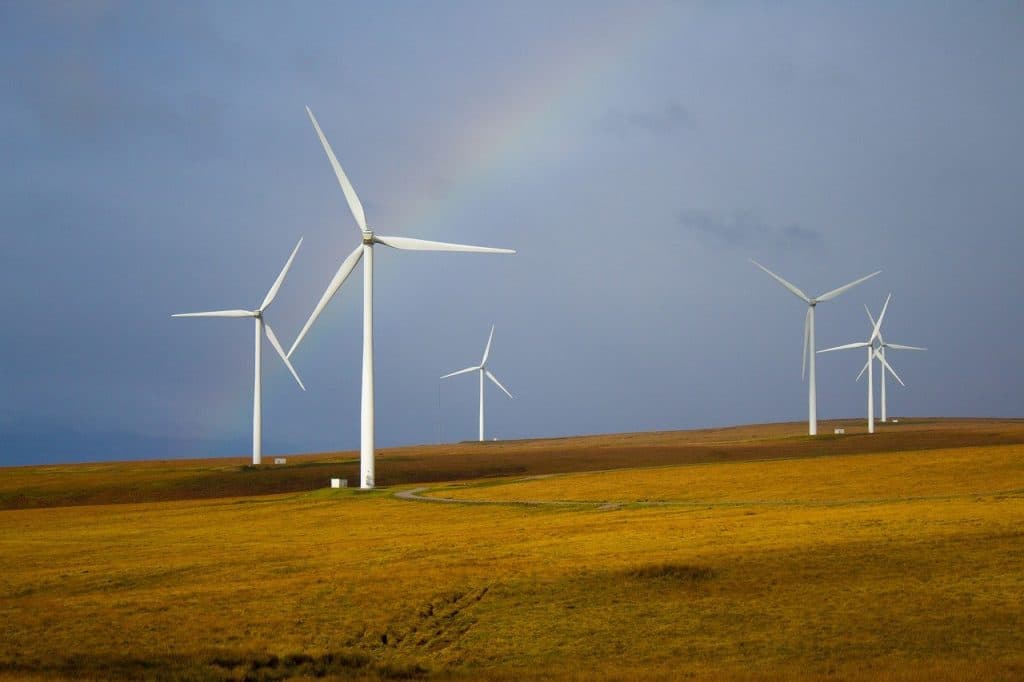
Scotland, on the other hand, has huge potential to harness offshore wind power to produce green hydrogen. Offshore wind farms could be key to achieving net zero and reducing dependence on fossil fuels. These wind farms could generate enough electricity to electrolyse water and produce hydrogen, helping to meet net-zero targets not only in the UK but also across the European Union. However, building the necessary infrastructure to produce, store and distribute hydrogen is essential. This will require investment and strategic planning.
This is highlighted in a report by consultancy Xodus published on 5 September, which builds on a Net Zero Technology Centre (NZTC) study of a proposed hydrogen backbone pipeline linking Scotland with mainland Europe, with the aim of harnessing the country’s potential to produce and export green hydrogen.
In 2022, ScotWind awarded more than 24 GW in potential leases for fixed and floating offshore wind farms. In March, Crown Estate Scotland concluded 13 initial agreements for floating offshore wind projects totalling 5.5 GW under the Innovation and Targeted Oil & Gas (INTOG) leasing round. The projects are intended to decarbonise energy supplies to oil and gas platforms in the North Sea or demonstrate technical innovations.
However, no new contracts for offshore wind projects were secured in a key government auction on 8 September. Companies involved in developing wind farms said their decision was due to the maximum price offered by the government failing to reflect rising costs in the sector.
Given the various challenges and opportunities presented by both areas, it will be important for the UK to find a balanced approach and invest in clean energy and technologies, including hydrogen, to meet its climate and sustainability commitments. It is also important for the government to work with the private sector and other stakeholders to achieve these goals.
Translation disclaimer
This article is a machine translation of the Czech original and has not yet been fully reviewed. In case of any doubt, please refer to the Czech version.