11 October 2026, 08:24
Loading...
Commission approves Germany’s entry into TenneT, aimed at securing funding for grid expansion

David Vobořil
28 May 2026, 06:21
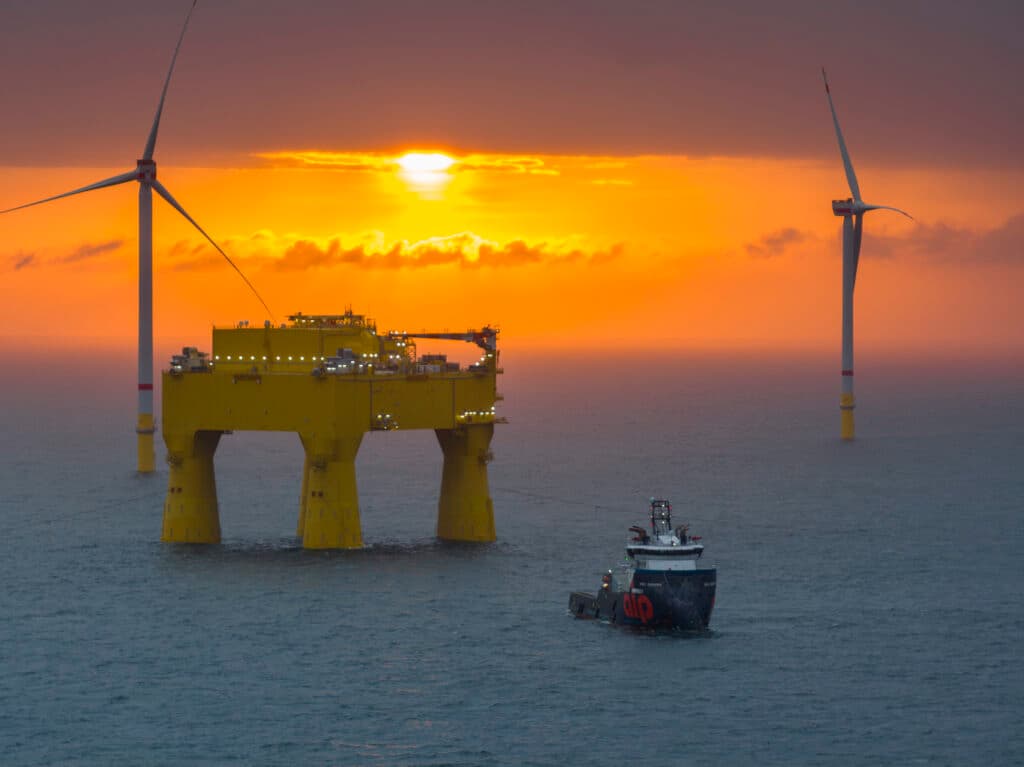
The German government will acquire a 25.1% stake in TenneT Germany, the country’s largest transmission system operator. The European Commission has now approved the transaction. Germany wants the acquisition to secure funding for the extensive expansion of transmission grids needed for the ongoing energy transition. The state will also gain greater influence over critical infrastructure that is becoming increasingly important for security of supply and in light of geopolitical risks.
The European Commission has approved the German government’s entry into TenneT Germany. The proposed transaction does not raise any competition concerns, said the Commission, which is responsible for competition policy at EU level.
The German state is making the investment through development bank KfW. It will pay approximately 3.3 billion euros for the minority stake, while the government has set aside up to 7.6 billion euros in total, according to earlier budget plans, to fund its participation in the future and meet any capital needs of the company.
TenneT Germany, the German arm of TenneT, operates approximately 14 thousand kilometers of extra-high-voltage lines running between northern and southern Germany and plays a key role in transmitting electricity from wind farms in the North Sea to industrial centers in the south of the country. The expansion of transmission infrastructure is one of the biggest prerequisites for the successful decarbonization of Germany’s energy sector.
Expanding Germany’s transmission grid is key to the energy transition
The Netherlands, which has so far owned a 90% stake in TenneT Germany through TenneT Holding, has long argued that funding the massive expansion of Germany’s transmission grid is not the responsibility of the Dutch state. TenneT therefore spent several years seeking investors or the possibility of selling part of its German business. Initial negotiations for KfW to acquire the entire German business collapsed in 2024 due to Germany’s budget problems.
The investment is significant for Germany, particularly because it will help secure funding for the expansion of the transmission grid needed to integrate renewable energy sources. TenneT Germany faces extensive investment in the coming years to expand the grid and stabilize the operation of the transmission system.
Germany’s Ministry for Economic Affairs estimates that the expansion and modernization of transmission infrastructure alone will require investment of 360 to 440 billion euros by 2045. By acquiring the stake, the state wants to ensure that these investments are made in the public interest and support the transformation of Germany’s energy sector.
Grid expansion is still lagging behind the pace at which new renewable energy sources are being connected. This is leading to growing problems with grid congestion, negative electricity prices and rising costs to stabilize Germany’s transmission grid, which regularly reach several billion euros a year.
Expanding Germany’s transmission grid is also important in connection with the German government’s plan to maintain a single German bidding zone. Bottlenecks in Germany’s transmission grid led to a recommendation to split the German bidding zone in the bidding zone configuration review prepared by European transmission system operators.
The state wants greater control over critical infrastructure
The transaction comes amid growing concerns about the security of Europe’s energy infrastructure. In recent months, Germany has dealt with several cases of sabotage and attacks on critical infrastructure, including a major power outage in Berlin in January following the deliberate damage of a cable route.
According to Germany’s Ministry for Economic Affairs, the transaction, which was part of the German government’s coalition agreement, will strengthen control over strategic infrastructure. Germany has already acquired stakes in two other transmission system operators, 50Hertz and TransnetBW, and once the transaction is completed, it will hold stakes in three of the four German transmission system operators.
The agreement also gives the state strong voting rights. The German state will be able to influence the company’s strategic decisions, business plan and senior appointments through representatives on its supervisory bodies.
Translation disclaimer
This article is a machine translation of the Czech original and has not yet been fully reviewed. In case of any doubt, please refer to the Czech version.
Sdílejte článek prostřednictvím:
You might also like

10 October 2026, 13:19

10 October 2026, 07:37
10 October 2026, 07:02