Energy under blockade: Cuba on the brink of collapse
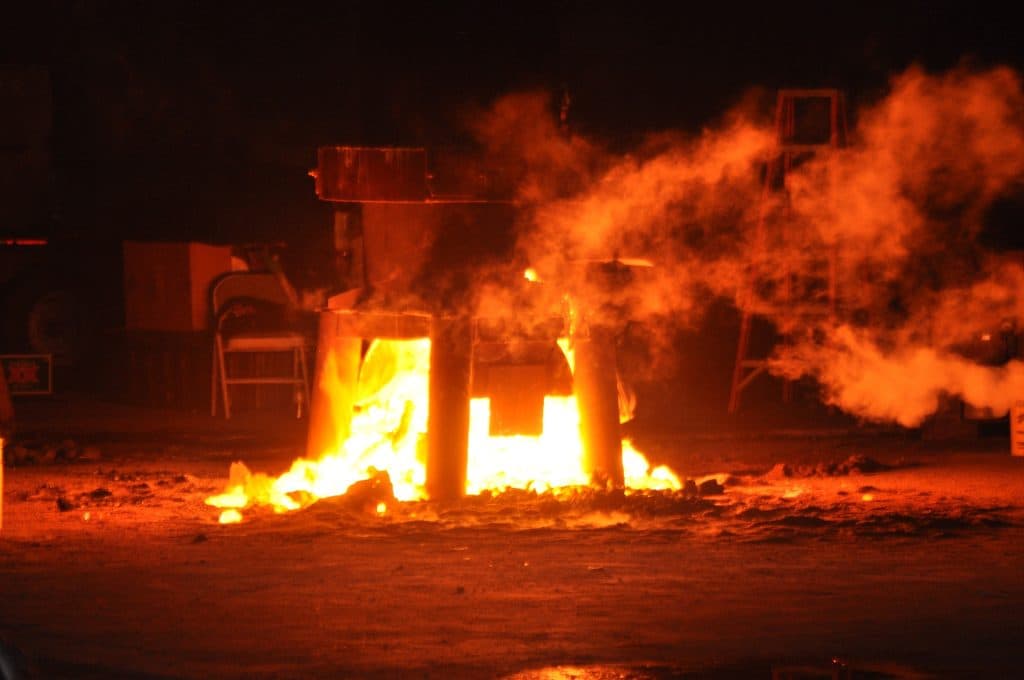
The Caribbean island is grappling with a massive energy crisis, significantly intensified by the recent US blockade. Cubans are turning to anything they can – from solar panels to charcoal. The energy crisis has been further deepened by a recent fire at one of the island’s four refineries.
Cuba has been under a US trade embargo for more than sixty years (since 1962). Even before Donald Trump’s order imposing a complete blockade on fuel shipments to the island, the country was already facing an energy crisis linked to the loss of supplies from Venezuela and outdated infrastructure.
Following the blockade, the situation on the island is becoming critical. Trump signed an order imposing the blockade on 29 January, stating that countries supplying fuel to Cuba would face tariffs. Mexico subsequently halted its shipments, explicitly saying it was doing so out of fear of US retaliation. The blockade was also condemned by a panel of UN experts. Cuba’s deputy foreign minister called it “criminal” on X.
Energy
Like many island states, Cuba generates electricity at several power plants fuelled by oil or fuel oil. These sources account for more than 80% of the island’s electricity generation, with the remainder coming from natural gas, biofuels and a negligible amount from solar power plants. Wealthier residents of the island and some institutions have turned to solar power.
Cuba has its own oil reserves, but domestic production covers only around 28% of total demand. Cuba received supplies from Mexico (around 44%) and Venezuela (approximately 33%). Venezuela, however, was itself under US sanctions, and its shipments had already slowed significantly towards the end of last year. The suspension of Mexican deliveries in recent weeks has pushed the island to the brink. Reports describe frequent blackouts, rationing and desperate efforts by both the public and the government to find a solution.
The energy grid, most of which was built after the 1959 revolution, is very outdated and has received little major investment over the past 35 years or so. The outdated and fragile system means that even minor problems can trigger a major blackout. The island’s power plants are also old – the newest thermal power plant on the island dates from 1988 and was built using French technology. It has sixteen units with a capacity of 330 MW. Last year, nine units were shut down for six months for repairs, but sanctions are making it difficult for the country to obtain spare parts.
Moreover, Cuba’s domestic oil is heavy, lower-quality crude, and burning it damages power plants even faster. For all the reasons outlined above, only 34% of Cuba’s installed power plant capacity was available on average in the first half of 2025.
Since 2019, the Cuban government has occasionally rented power-generating ships, including from the Turkish company Karpowership. However, this is an expensive solution for the Cuban economy. On several occasions, operators have left Cuban waters, taking precious megawatts of capacity with them.
Cuba’s leadership has acknowledged that the situation has been bad for a long time. Plans for the island’s recovery include investment in maintaining thermal power plants, building new generation sources including solar power plants, and securing fuel supplies. The problem is that putting these plans into practice is difficult for the same reasons that caused the problems in the first place. Although the government says it wants renewables to account for 37% of total generation by 2030, their share has remained in the single digits in recent years. Last year, however, the country at least managed to open its first large-scale solar park.
Life on the island today
Since 2024, when the government eased restrictions on importing solar panels, both adoption of the technology and the number of installation companies on the island have surged. The director of one such installation company told AFP that in recent weeks they have been overwhelmed with requests from individuals and institutions alike. The cheapest solar package in Cuba costs around 2,000 US dollars (approximately 41,000 CZK). The average wage on the island, however, is between 15 and 20 US dollars a month. Installing solar panels therefore remains an unattainable dream for most Cubans.
By contrast, poorer residents have switched to cooking over open fires fuelled by charcoal, giving rise to a secondary market. Meanwhile, the government has introduced strict rationing, including suspending the supply of aviation fuel to airlines. Some Cubans say the crisis is the worst since the so-called “Special Period”, when Cuba found itself in a similar situation following the collapse of the Soviet Union.
Blood in the water
Following the US intervention in Venezuela, Havana’s foremost political partner in the region and an oil supplier, the Donald Trump administration likely sees a strategic opportunity to increase pressure on the regime in Havana. It is well known that part of the administration around Secretary of State Marco Rubio wants to overthrow Havana’s socialist regime. After its intervention, the US therefore forced Venezuela’s new leadership, headed by current President Flores, to completely stop supplying Cuba with oil, while also threatening other suppliers with tariffs and sanctions.
Venezuela is unable to provide further supplies, and Mexico has sent humanitarian aid, but has so far been unwilling to defy the US blockade. Russia has announced that it will supply oil to Cuba, although the amount is unclear. In February last year, Moscow sold 100,000 tonnes of oil to the Caribbean island, enough to last it several months. China has expressed diplomatic support. Havana has no other allies, however, and if the blockade continues, the situation on the island could soon become a humanitarian catastrophe.
Translation disclaimer
This article is a machine translation of the Czech original and has not yet been fully reviewed. In case of any doubt, please refer to the Czech version.




