10 October 2026, 07:37
Loading...
France approved an energy strategy and is betting on nuclear power
Veronika Jurcová
17 February 2026, 13:45
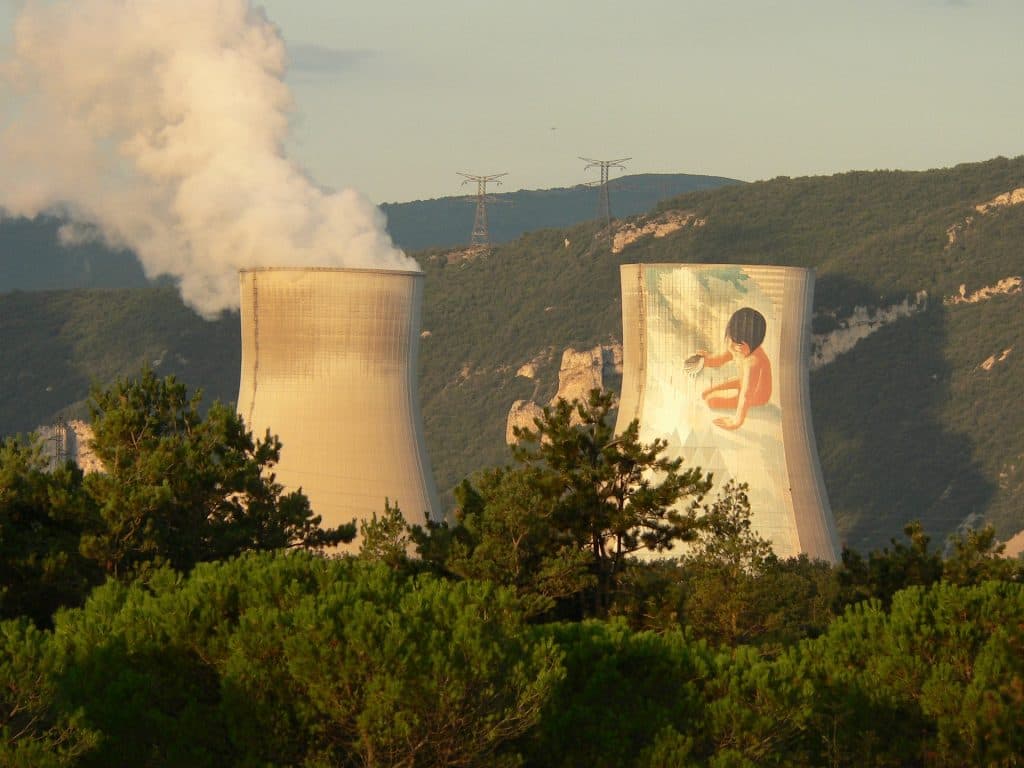
France has approved a new energy strategy for the next decade that puts nuclear power at the heart of the transition and envisages a massive increase in carbon-free electricity generation. The plan includes building six new reactors, extending the life of existing units and developing renewable energy sources. It thus creates a long-term framework intended to send a clear signal to investors and industry, reports S&P Platts.
The French government has published the third Multiannual Energy Programme (PPE3), which sets the direction of the country’s energy policy for 2026–2035. The document is not a law, but it establishes a binding strategic trajectory for reducing fossil fuel consumption and achieving carbon neutrality by 2050.
A key objective is to increase carbon-free electricity generation from 458 TWh in 2023 to 650–693 TWh in 2035. At the same time, fossil fuel consumption is to fall from around 900 TWh today to approximately 330 TWh. The share of low-carbon sources in final energy consumption is to rise to 60% by 2030 and 70% five years later. The government also expects electricity demand to grow, reaching 618 TWh in 2035, mainly due to the electrification of industry, transport and buildings.
Betting on nuclear power
The strategy is centred on nuclear power. The plan confirms the construction of six new EPR2 reactors, with the first units expected to enter operation from 2038. The government is also keeping open the option of deciding as early as 2026 to start building eight more reactors. The programme also includes extending the operating lives of all 57 existing units to 50–60 years while maintaining safety standards.
The new plan expects nuclear power plants to generate 380–420 TWh annually between 2030 and 2035, more than under the previous strategy. The document also formally abandons the earlier target of closing 14 reactors, including units at the Fessenheim power plant.
Slower growth in renewables
Alongside nuclear power, France also wants to expand renewables. By 2035, it aims to have 15 GW of installed capacity in offshore wind farms. In solar power, France is expected to reach 48 GW by 2030 and 55-80 GW by 2035. Onshore wind power capacity is to increase to 31 GW by 2030 and 35-40 GW five years later, with modernising existing wind farms a priority.
Generation from wind and solar power plants is expected to roughly double by 2030 to 141 TWh, up from 79 TWh in 2025. It is projected to reach 206-248 TWh in 2035, below the level envisaged in the draft PPE3 published in November 2024.
Investment plans also include increasing installed hydropower capacity by 2.8 GW. Electrolysers for hydrogen production are to reach an input capacity of up to 8 GW.
The government expects implementation of PPE3 to create more than 120 thousand jobs by 2030, mainly in the nuclear sector and in solar and offshore wind power. The strategy is also intended to reduce the country’s dependence on fossil fuel imports, which currently amount to nearly 60 billion euros a year. The plan also allows for a review in 2027 and a possible adjustment of the trajectory. France thus aims to strengthen its position as one of Europe’s leading electricity exporters while enhancing its energy sovereignty.
A long-term framework as a signal to investors
The French nuclear industry has welcomed the plan.
The French Nuclear Industry Group GIFEN said that PPE3 “is a decisive step towards providing the visibility needed for long-term investment and confirms the key role of nuclear power at the heart of France’s energy strategy. Nuclear power is a cornerstone of France’s energy sovereignty. By providing low-carbon, secure and dispatchable electricity, it addresses climate, energy and reindustrialisation challenges. By replacing fossil fuels, for example in transport and heating, nuclear power can accelerate electrification, which is a prerequisite for decarbonising the economy.”
The adoption of PPE3 in France also brings to mind the situation in the Czech Republic and the long-standing absence of a strategic vision and framework that would give investors and industry a predictable trajectory. The State Energy Policy from 2015 remains the fundamental strategic document; it was supposed to be updated every five years. However, no revision has yet taken place. Although the Ministry of Industry and Trade submitted a draft update for public consultation on 2 February 2024, the policy has still not been approved, and its adoption awaits a decision by the current government.
While France is offering investors a specific timetable, targets and generation volumes through to the middle of the next decade, Czech energy policy still relies on a framework more than a decade old, at a time when the energy sector is undergoing its biggest transformation in several decades.
Translation disclaimer
This article is a machine translation of the Czech original and has not yet been fully reviewed. In case of any doubt, please refer to the Czech version.
Sdílejte článek prostřednictvím:
You might also like
10 October 2026, 07:02
9 October 2026, 13:47