11 October 2026, 08:24
Loading...
Germany plans to align renewable energy expansion with slower grid rollout to cut costs

David Vobořil
22 September 2025, 07:32
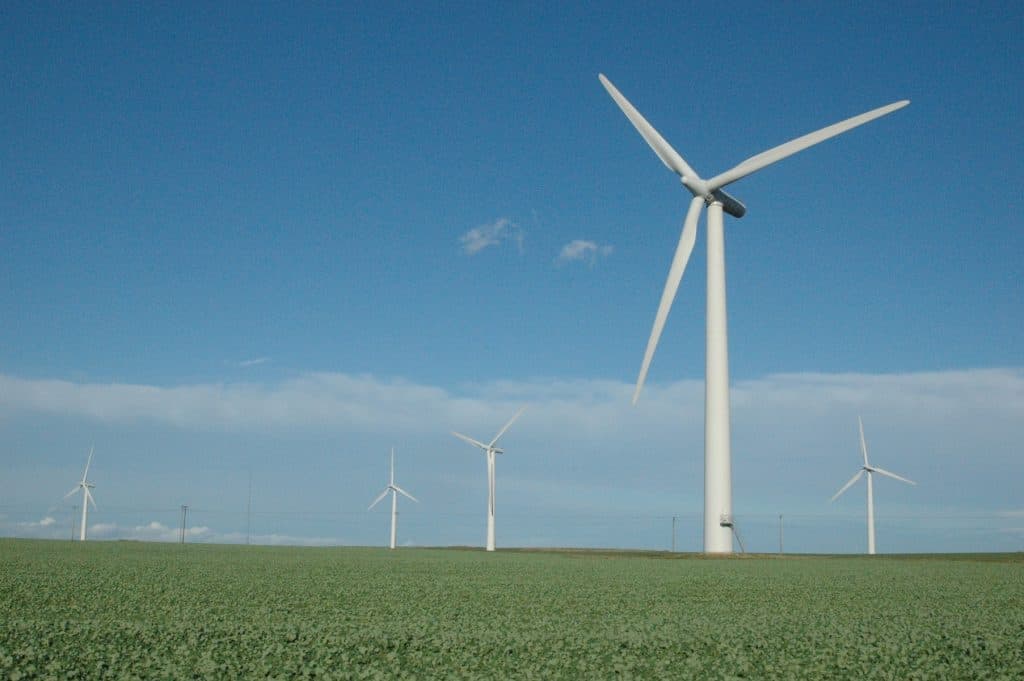
Germany is preparing to scale back some of its energy transition ambitions in response to the much-anticipated report known as the “reality check”, which aims to reduce costs and improve the competitiveness of German industry. The country will align the development of wind and solar power plants, as well as batteries and hydrogen electrolysers, with the slower pace of grid expansion, Economics Minister Katherina Reiche said.
Renewable energy expansion should proceed in step with grid development to ensure that all electricity generated is actually used and that new sources are added where it makes sense, Reiche said. System costs, rather than the costs of renewables alone, should be the deciding factor in future energy policy, she added.
Support for renewables must be complemented not only by stronger grids, but also by the construction of backup generation, better transmission interconnections with neighbouring countries and the development of demand-side flexibility.
“The progress made so far in expanding renewable energy is clear and represents a major success for Germany, but the next steps will be much more difficult,” the minister warned.
The findings of the report, prepared by consultancy BET and the Institute of Energy Economics at the University of Cologne (EWI), will form the basis of the coalition government’s future policy, in which cost-effectiveness will be just as important as security of supply and climate targets. Reiche’s Economics Ministry has presented a list of ten key measures it now plans to introduce.
Among the most important planned changes is the previously mentioned adjustment of renewable energy development so that installations are built in locations with available grid capacity. Other measures include gradually phasing out operating support for some small-scale solar installations and introducing a technology-neutral capacity market around 2027. Hydrogen targets will also be reviewed: instead of 10 GW of electrolysers, a flexible approach based on needs will be adopted.
Achieving climate neutrality would be incredibly costly and complex, so using public funds more efficiently could improve the chances of reaching this goal, said Alexander Kox, managing director of BET Consulting.
Slow grid expansion
By the end of the first quarter of 2025, 3 345 kilometres of new transmission lines had been completed in Germany, representing only 15,3 % of the total 16 702 km set out in legislation. Construction has long been progressing at a pace of only a few hundred kilometres a year, in stark contrast to targets requiring thousands of kilometres to be commissioned in the coming years.
Although construction has picked up slightly, it remains insufficient to manage the energy transition and meet Germany’s ambitious target of covering at least 80 % of gross final electricity consumption with renewable energy by 2030.
Mixed reactions
Reactions to the German Economics Ministry’s report were mixed among industry and climate stakeholders. The Federation of German Industries (BDI) called the document a key step towards linking climate protection with competitiveness and welcomed its focus on improving efficiency. The German Chemical Industry Association (VCI) also welcomed the proposals and stressed the need to focus more on the quality than the quantity of renewables.
By contrast, the environmental association Stiftung Klimawirtschaft warned that the lower electricity consumption forecast was an alarming sign of deindustrialisation. It said that cutting renewable energy expansion targets would be a mistake and that the solution instead lay in greater investment in the efficient deployment of renewables, batteries, smart grids and hydrogen, as well as the electrification of heating and transport.
Translation disclaimer
This article is a machine translation of the Czech original and has not yet been fully reviewed. In case of any doubt, please refer to the Czech version.
Sdílejte článek prostřednictvím:
You might also like

10 October 2026, 13:19

10 October 2026, 07:37

10 October 2026, 07:02