
28 October 2026, 15:10
Loading...
High energy costs and emissions cuts: Germany's largest steelmaker to curb production

Eduard Majling
18 April 2024, 14:14
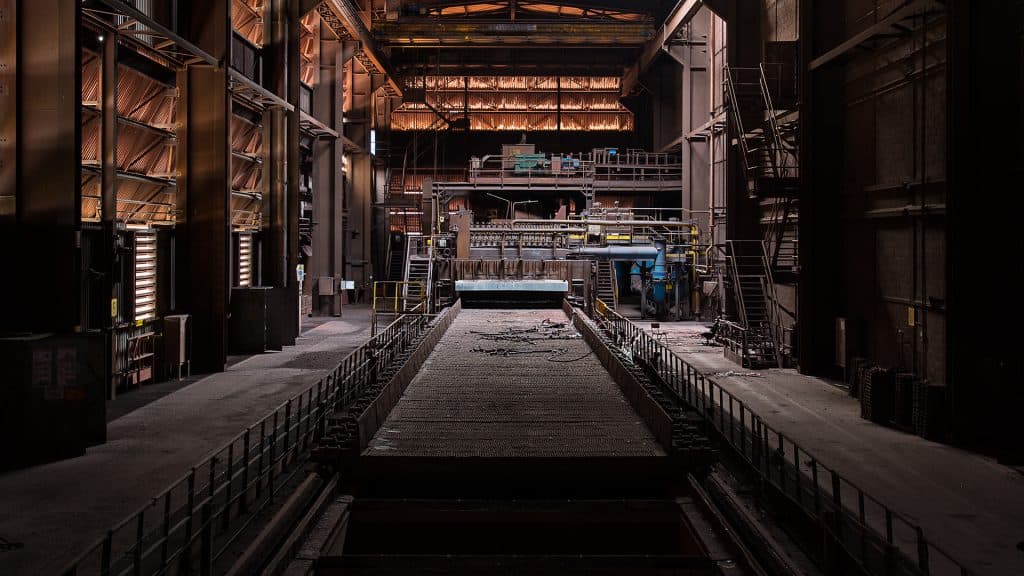
Thyssenkrupp, Germany’s largest steelmaker, has announced plans to make substantial cuts to production. The company says the decision is driven, among other things, by high energy prices and efforts to reduce carbon emissions. It is not yet clear exactly how the move will affect tens of thousands of employees. Since the start of the energy crisis in particular, Europe’s industrial sector has faced a further loss of competitiveness against imports from third countries.
The sharp rise in natural gas and electricity prices that European markets have faced since 2021 has had a major impact on local industry. The loss of competitiveness due to high energy prices has already led to some industrial production moving out of Europe. The declining competitiveness of industry has in turn prompted calls or plans to subsidise industrial companies, not only in Germany.
The chemical industry is one example: by cutting production, it helped curb demand for gas, while local output was partly replaced by imports. According to comments made last summer by the head of chemical giant BASF, Europe lost around a quarter of its chemical production during the crisis. Alongside the reduced competitiveness of the company’s customers, he attributed roughly half of the decline to lower exports from Europe.
European wind turbine suppliers have also been cutting production or moving it outside Europe since 2021. In September 2021, Vestas announced plans to close three plants in Spain, Germany and Denmark. Similarly, Siemens Gamesa announced plans to cut jobs in summer 2021.
In Thyssenkrupp’s case, according to Clean Energy Wire, competition from low-cost producers, particularly in China, is also a factor. In addition to high energy prices, emissions pricing can also make local production more expensive if manufacturers do not receive enough free allowances. In the future, however, imports of emissions-intensive products into Europe should be subject to charges under the carbon border mechanism.
The company did not provide any specific information on how many jobs would be affected, the website reported.
Translation disclaimer
This article is a machine translation of the Czech original and has not yet been fully reviewed. In case of any doubt, please refer to the Czech version.
Sdílejte článek prostřednictvím:
You might also like

28 October 2026, 13:08

28 October 2026, 11:10

28 October 2026, 09:08
