The UK government's plans to expand oil and gas production in the North Sea have sparked a heated debate about the future of energy. While the government argues that this will strengthen energy security, experts warn that new projects will offer neither a quick nor a substantial solution and could instead slow the transition to low-emission energy sources. Recent developments have also raised questions about whether the decision could lead to lower prices for end consumers.
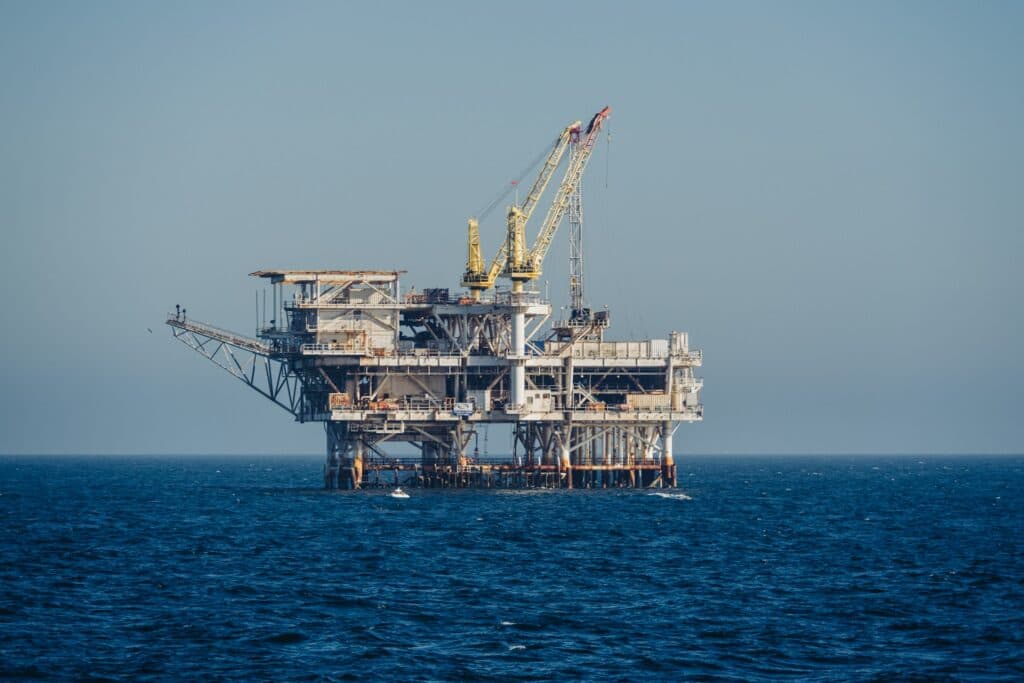
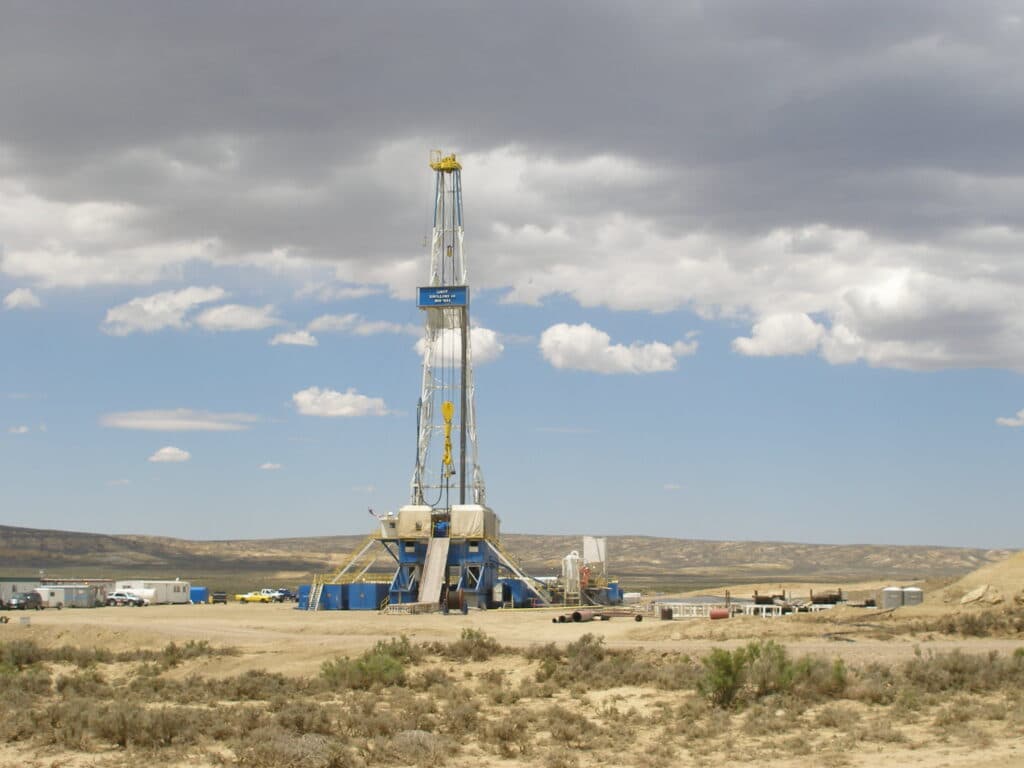
The UK government is facing growing criticism over its plans to expand oil and gas production in the North Sea. According to analyses by experts and some members of the energy sector, new drilling will not significantly improve the United Kingdom's energy security, as the government claims, and could instead slow the transition to low-emission energy.
The UK is now seeing a battle of arguments between supporters of fossil fuels and advocates of a faster transition to low-emission sources. The debate has intensified after the UK government backed new licences for fossil fuel extraction in recent months. It cites the need to reduce dependence on energy imports and boost domestic production. Critics, however, say this approach does not reflect the reality of the European energy market.
Sources cited by the British newspaper The Guardian point out that most oil and gas extracted in the North Sea is sold on international markets. This means that even an increase in domestic production will not automatically lead to lower prices for British consumers. Energy commodity prices are determined by global markets, not just domestic supply.
A separate analysis by think tank E3G also warns that “structural bottlenecks” in global oil and gas supplies mean that increasing fossil fuel production will not, on its own, improve energy security. Supply disruption risks can arise not only from physical constraints on transport routes, but also from so-called “paper bottlenecks”, such as restrictions on insurance.
“Energy systems are the backbone of national security, but for many importers that backbone depends on infrastructure and routes beyond their control. Reliance on distant supply chains and bottlenecks means that the risk of disruption is inherent in the system. Clean energy is not immune to shocks, but it brings a greater share of the system under domestic control and reduces exposure to geopolitical and market volatility. That is the key lesson from this crisis,” said analyst Maria Pastukhova.
North Sea production has been declining for years
The UK is already facing declining production from the North Sea. According to data from the British authority North Sea Transition Authority, oil and gas production has been falling over the long term as reserves are depleted. Experts say new projects could therefore only slow this decline, not reverse it substantially.
Critics also point to the time factor. Years often pass between a licence being issued and production beginning, meaning that new projects will not address current energy commodity price problems. In Europe, prices are still affected by the consequences of the 2021–2022 energy crisis and geopolitical tensions.
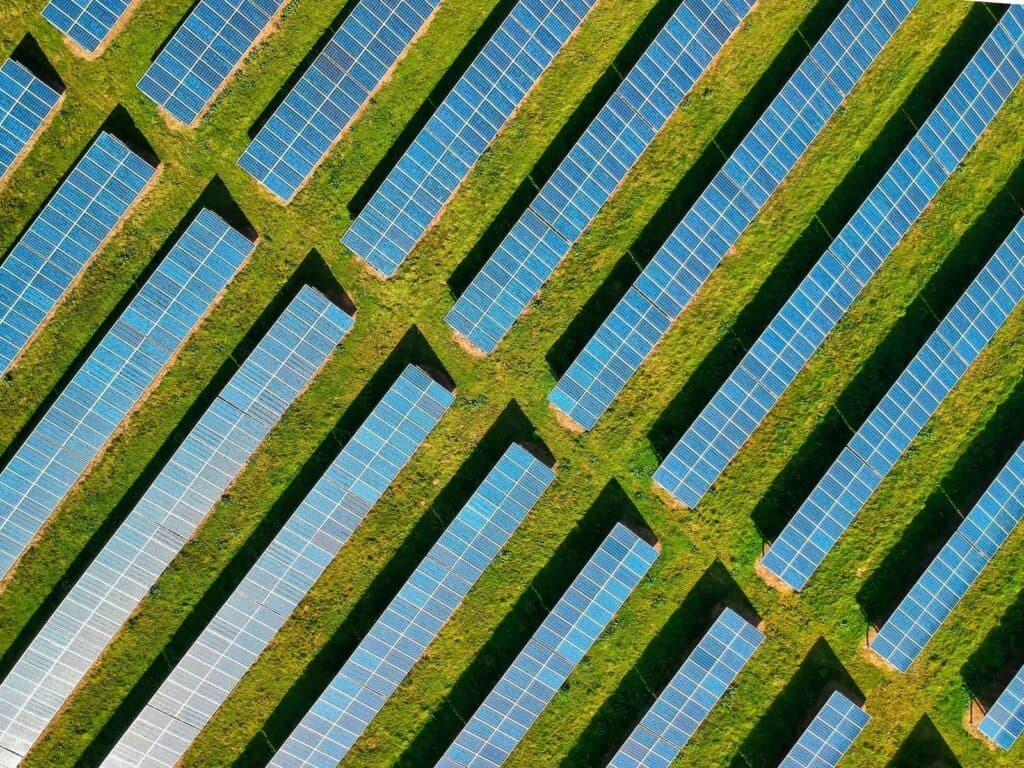
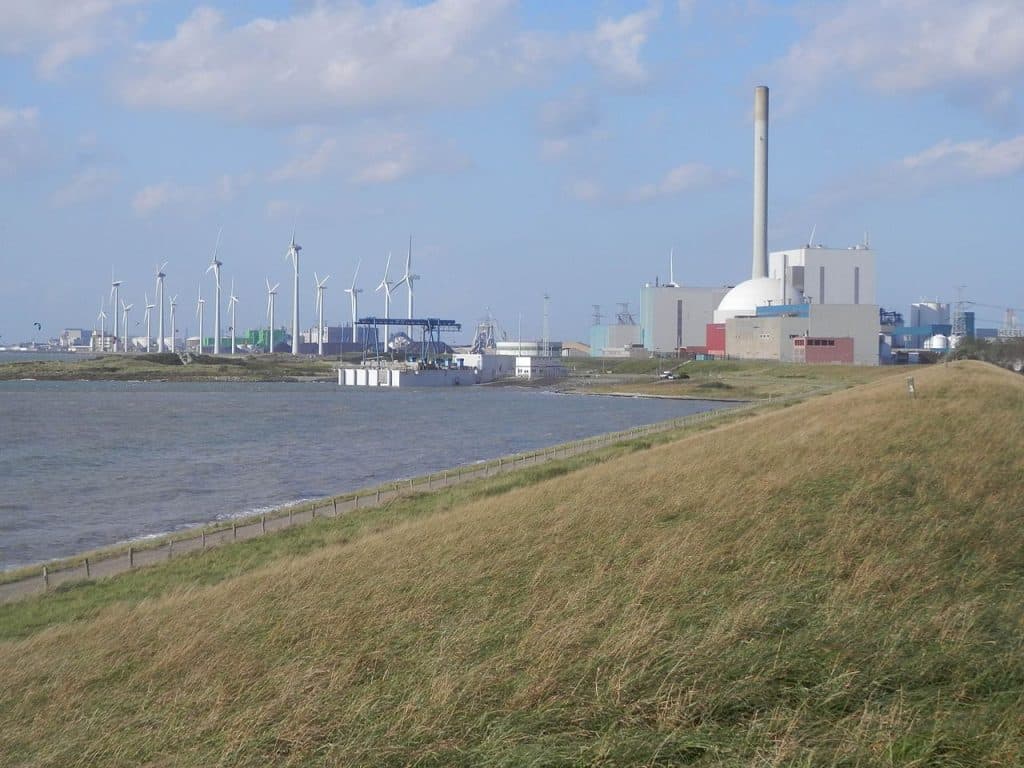
Investments in renewable energy and infrastructure, by contrast, could have a faster impact. The UK is one of Europe's leaders in offshore wind power, and further development of the sector is seen as key to future price stability and emissions reductions. According to the UK government, installed offshore wind capacity could rise significantly by 2030, boosting domestic electricity generation.
The debate over North Sea extraction reflects a broader dilemma for European energy: whether to boost domestic fossil fuel production in the short term or accelerate the transition to clean sources.