
23 October 2026, 14:38
Loading...
Too-low electricity prices and support for nuclear power threaten renewables development in Sweden

Zuzana Vrbová
14 December 2024, 13:37
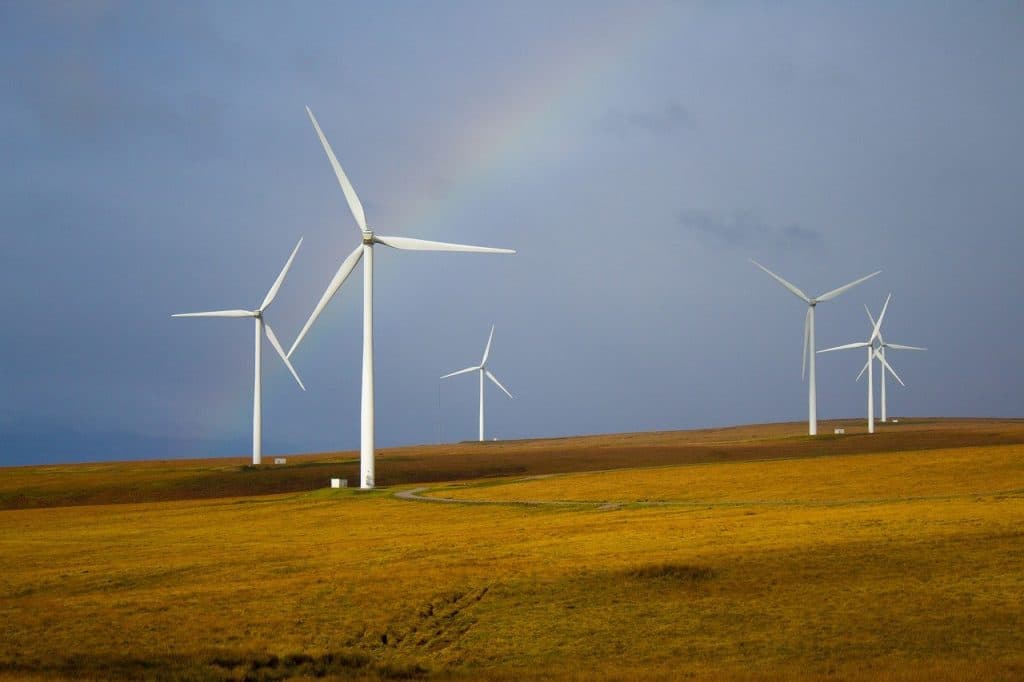
Wind power in Sweden is struggling to attract investment, thanks to an unusual paradox. Renewable electricity is so abundant in northern Europe that low electricity prices and a lack of government incentives are not enough to motivate investors.
Electricity prices in Sweden are at their lowest level in two decades, since the country’s wind boom began, Bloomberg reported. The country relies almost entirely on wind, hydropower and nuclear power for its electricity supply, with wind accounting for around a quarter of generation.
As a result, electricity prices often fall below zero, and the same situation is expected to continue in the future. This is discouraging new investors. Without operating support for renewables of the kind provided by other European countries, Swedish developers have to rely solely on market prices.
In addition to financial problems, Sweden’s renewable energy sector also faces logistical obstacles and public opposition. Higher turbine costs and rising interest rates are also slowing project approvals. Bringing a wind farm into operation now takes an average of 8.5 years, compared with 2.5 years in 2010.
Shift towards nuclear power adds to the problem
Offshore wind farms, which could potentially replace onshore sources, have also failed to gain approval in Sweden, despite its extensive coastline. The government in Stockholm recently rejected 13 offshore wind projects in the Baltic Sea, citing military interests in the corridor.
Sweden’s recent shift in energy strategy is also creating problems for renewable energy, as the country plans to focus more on nuclear power. Proposed incentives for nuclear power include a 40-year contract for difference. Wind projects will find it very difficult to compete with this. Analysts warn that subsidised nuclear power generation could further drive down energy prices, potentially making wind and solar projects unviable.
Sweden has a highly ambitious energy target: to achieve net-zero emissions by 2045. Analysts now forecast a sharp decline in annual additions to wind capacity, from 2 604 MW last year to just around 400 MW in 2030-2035.
Translation disclaimer
This article is a machine translation of the Czech original and has not yet been fully reviewed. In case of any doubt, please refer to the Czech version.
Sdílejte článek prostřednictvím:
You might also like


23 October 2026, 11:01


23 October 2026, 06:34