TotalEnergies sells 50% of solar portfolio for more than $1 billion
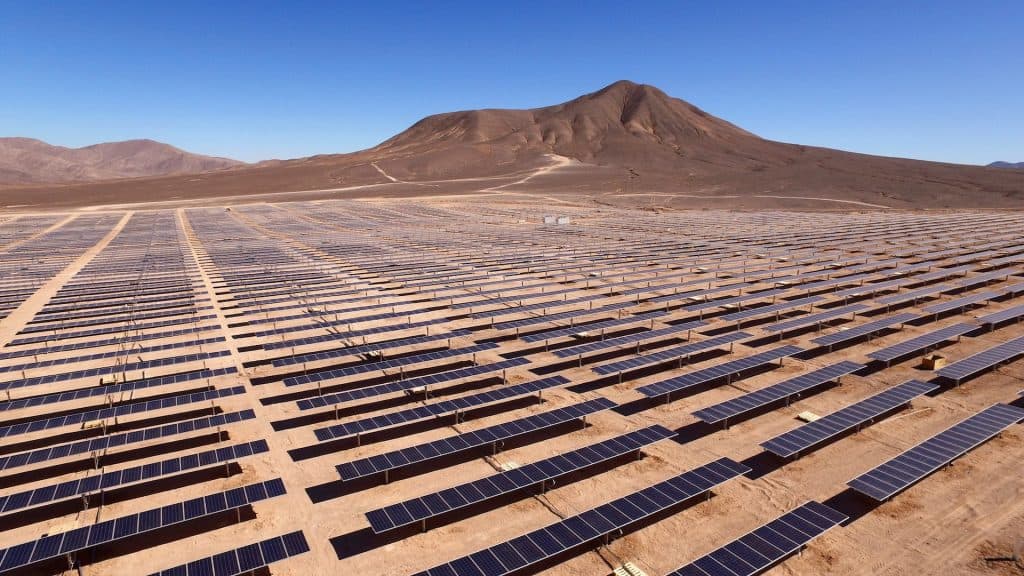
French energy company TotalEnergies has sold half of its stake in a 1.4 GW US solar portfolio to investment group KKR. The $1.25 billion transaction highlights the growing role of hybrid ownership models in the energy transition, as companies combine operational control with partial asset sales to ensure capital efficiency and growth. The news was reported by ESG News.
A strategic transaction in solar energy
The portfolio is valued at an estimated $1.25 billion. TotalEnergies expects to receive $950 million from the transaction, including related refinancing. The portfolio comprises six large solar farms with a capacity of 1.3 GW and 41 smaller distributed generation projects. All projects have offtakers secured through long-term power purchase agreements (PPAs), or will be marketed directly under the TotalEnergies brand, ensuring predictable cash flow across the portfolio.
Partnership with KKR
TotalEnergies will retain a 50% operational stake and will continue to manage the projects. This will create a joint venture with KKR, which has invested more than $23 billion in the energy transition worldwide to date.
"North America, and deregulated electricity markets in particular, are a priority for us. This move fits with our strategy of combining development, operations and electricity trading," said Stéphane Michel, president of TotalEnergies' Gas, Renewables & Power division.
KKR emphasized that it is acquiring high-quality projects with long-term offtake agreements. "We are excited to partner with a global leader in renewable energy. This transaction is a perfect fit for our infrastructure strategy and our long-term focus on clean energy," said Cecilio Velasco, a KKR director.
Business model: recycling capital
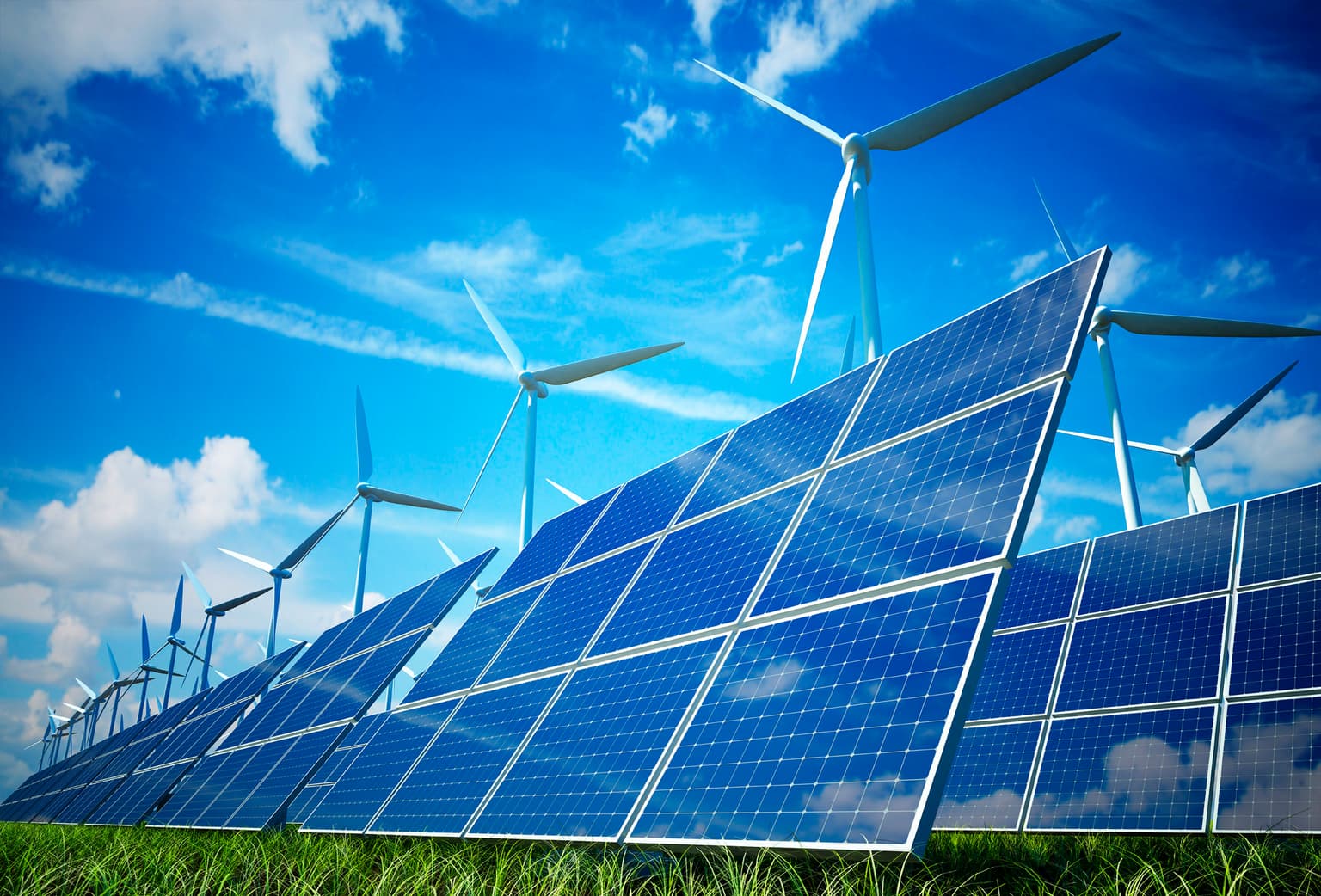
Selling half of its assets after they are completed fits TotalEnergies' business model, which combines renewable energy expansion with maintaining high capital efficiency. The company is targeting a 12% return in its Integrated Power division, which combines solar and wind power with flexible gas-fired power plants and battery storage.
This approach allows the company to grow faster without bearing the full burden of investment costs and risks. TotalEnergies has long taken a similar approach in its oil and gas projects, where sharing risks with partners ("farm-outs") is an established practice.
The company took a similar approach in December 2024, selling a 50% stake in a Texas portfolio to Apollo for $800 million, and in September 2025, selling a 270 MW French portfolio.
Implications for the Czech Republic and the EU
The partnership between TotalEnergies and KKR offers lessons for the European context as well.
- Risk-sharing: Partially selling projects after they enter operation could also be an option for Czech and European companies facing the high capital requirements of renewable energy projects.
- The role of institutional investors: Like KKR, European pension funds, banks and insurers could play a greater role in financing the green transition if a stable and predictable regulatory environment is established for them.
- An integrated approach: Combining renewable energy sources with flexible capacity (gas-fired generation and storage) is also key for the Czech grid, particularly as coal is gradually phased out.
- The policy and regulatory framework: The US example shows how important long-term, stable incentives are. The EU and its member states, including the Czech Republic, could consider strengthening investment certainty through tax breaks, guarantees or stable auction schemes.
The TotalEnergies-KKR transaction shows that the energy transition requires new forms of cooperation between industrial players and financial institutions. The policy and regulatory environment determines whether the necessary capital can be attracted and decarbonization accelerated. The EU must create a predictable framework to mobilize domestic and foreign investors, speed up renewable energy development and strengthen the competitiveness of the European economy.
Translation disclaimer
This article is a machine translation of the Czech original and has not yet been fully reviewed. In case of any doubt, please refer to the Czech version.




