Two weeks after the attack on Iran: Russia profits, Saudis and others bleed
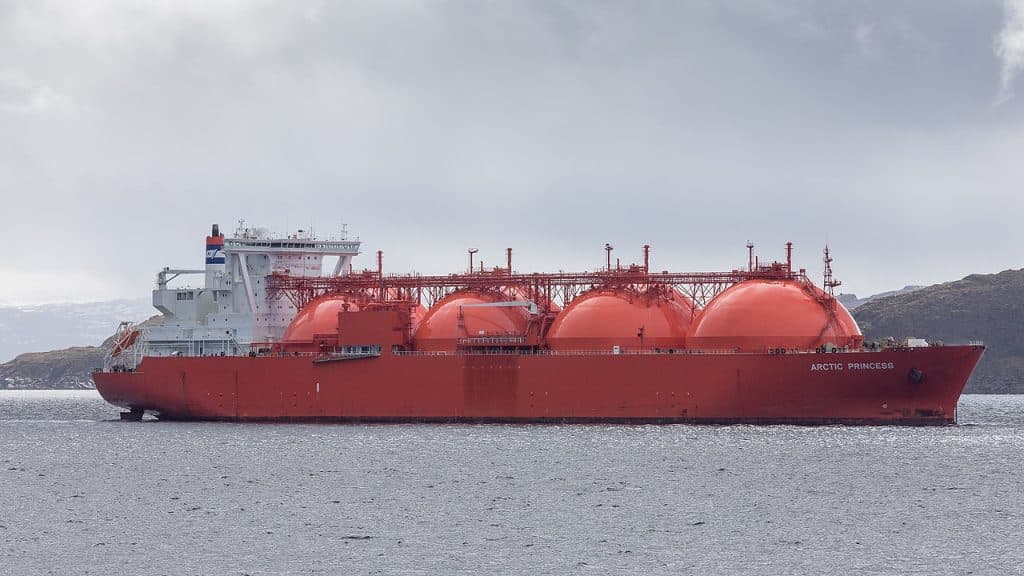
According to Financial Times, Russia has earned between 1.3–1.9 billion dollars (USD) in oil export taxes alone since the start of the US-Israeli war against Iran. If the situation remains unchanged, Russia could earn an additional 3.3–4.9 billion dollars by the end of March, the newspaper reports. By contrast, the states of the Persian Gulf have lost around 15 billion USD in less than two weeks.
According to many analysts, Russia is one of the biggest beneficiaries of this war, if not the biggest. While Russian forces are helping the Iranians on the battlefield by sharing intelligence, Russia's oil sector is likely pleased by the US-Israeli attack on Tehran.
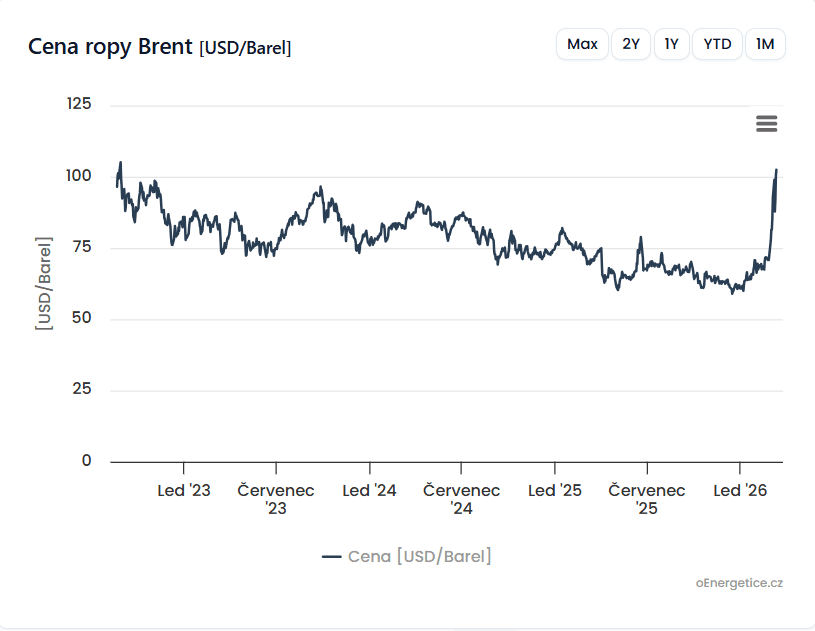
Not only have some sanctions been eased, for example those affecting India, but shipping through the Strait of Hormuz has also been disrupted. Around 20% of the world's oil trade passes through the strait. This has naturally led to a sharp rise in oil prices, allowing Russia to earn significantly more from its oil.
Imports of Russian oil into India and China rose by 22% in the week after the war began. Before the war, the Urals blend (Russia's benchmark crude) averaged 52 USD per barrel; it is now around 90 USD per barrel. If the price of this oil stays between 70 and 80 USD per barrel, it would mean an additional 3.3–4.9 billion USD for the Russian state budget.
Every additional 10 dollars means roughly 2.8 billion USD in extra revenue for Russian oil exporters, of which the state receives 1.6 billion in taxes.
Moscow is currently producing around 300,000 barrels of oil per day less than its quota under the OPEC+ cartel. According to some estimates, production could increase by as much as 400,000 barrels per day in a relatively short time. However, that would take several months, and it remains to be seen whether the chaos and instability caused by the conflict will last that long. Russia had already planned to increase its capacity slightly before the conflict began. The regime plans to start extracting oil in more challenging conditions, particularly in the Arctic.
On 13 March, Kirill Dmitriev, a representative of Putin's regime, wrote on Telegram after meeting his American counterparts that the US was “beginning to recognise Russia's role in maintaining stability in global markets”. Russia is therefore trying to take advantage of the geopolitical chaos. Earlier this week, Vladimir Putin himself raised the possibility of resuming exports to Europe. The EU, however, rejected the idea.
Russia's oil sector was struggling before the Iran war
Sanctions had begun to take a more significant toll on Russia. Oil prices had been low for a long time, and sanctions were putting considerable pressure on the Russian oil sector. At the beginning of the year, Lukoil even had to ask the Russian government for support.
Russian oil companies were in a difficult position, squeezed by high domestic taxes and low global market prices, while selling their oil at a discount to those already relatively low prices. In addition, Russian law penalises companies for giving too much priority to foreign markets. The ruble also strengthened last year, which did not help the export sector. Lukoil, like other companies under sanctions, began looking for ways to sell its foreign assets. This reality also affected other players in the industry, such as tanker operators.
The situation has now changed significantly. Russia sent 80% of its oil to China and India last year. That is unlikely to change, but higher prices and reduced sanctions pressure are giving Moscow a very important financial boost.
The situation for affected producers
The states of the Persian Gulf are clear losers in the current conflict. In addition to some of them being directly affected by the conflict—with US bases on their territory and civilian infrastructure also hit—the main problem is the disruption of the foundation of their economies.
While millions of barrels of oil remain trapped in the Persian Gulf and cannot pass through the Strait of Hormuz, Iran has shown that it is willing to enforce its blockade. Several tankers that tried to defy the blockade—or simply came under the sights of the Iranian military or Revolutionary Guards—were hit this week.
Insurers withdrew from tanker traffic in the region almost immediately after the war began, and US financial and military support does not yet appear sufficient to persuade companies and ships' captains to attempt to pass through the strait.
Saudi Arabia has been hit hardest, as it is the region's largest oil exporter. The kingdom is estimated to have lost around 4.5 billion dollars since the war began. Its goal now is to redirect as much capacity as possible to the Red Sea. According to Aramco, as much as 70% could be redirected to the port of Yanbu. However, according to some sources, this would push the system's capacity to an untested limit.
Kuwait and Qatar have also been hit hard, although both countries have significant financial reserves in their sovereign wealth funds. Iraq is probably the most vulnerable. It has been significantly affected by the military dimension of the conflict and has few alternative export routes for its oil. Oil revenues account for almost 90% of government revenues.
According to data from Kpler, around 10.7 billion dollars' worth of oil, petroleum products and LNG is stranded on tankers in the Strait of Hormuz. Crude oil alone accounts for about 71% of these halted shipments.
If the conflict lasts longer, many producers could face economic difficulties. If storage capacity in the region is filled, production will very likely have to be halted. This would significantly increase operating costs for companies and slow the future restart of production, and could also jeopardise the future condition of oil fields. Many producers are already cutting their output.
Translation disclaimer
This article is a machine translation of the Czech original and has not yet been fully reviewed. In case of any doubt, please refer to the Czech version.




