IEA: Europe is heading for a decline in gas demand, while the world braces for an LNG boom
At the end of October, the International Energy Agency (IEA) published its medium-term outlook “Gas 2025”, which analyses the transformation of the global gas market and provides an overview of trends in supply, demand and trade, as well as projections through 2030. The report analyses the massive expansion of liquefied natural gas (LNG) production capacity and highlights the impact of this LNG wave on security of supply, prices, trade flows and emissions. In Europe, it expects a modest recovery in natural gas demand this year, but a decline over the longer term.
According to the latest data from the International Energy Agency (IEA), European gas consumption will rise by around three percent in 2025, before returning to a downward trend in the following years. By 2030, demand in OECD countries in Europe is expected to fall by 8 to 10 percent compared with 2024, according to the agency.
In the Czech Republic, however, we do not expect this trend. On the contrary, natural gas consumption in Czechia is projected to increase by almost 50% by 2035, mainly due to the shift away from coal in electricity and heat generation. Part of the growing demand is expected to be met by biomethane and the gradual expansion of hydrogen use.
In its medium-term report, the IEA said European gas consumption is expected to reach around 522 billion cubic metres this year. Around 80% of the increase is attributable to power generation, driven by lower output from wind and hydropower plants.
In 2026, however, the trend is expected to reverse, according to the IEA: consumption is set to fall by two percent to 510 billion cubic metres as new renewable energy capacity begins to make a greater contribution to electricity generation.
By 2030, gas demand in OECD countries in Europe is expected to fall by 8–10% compared with 2024. The steepest decline is expected in the power sector, where consumption is projected to fall by a quarter as renewable capacity expands by more than 40%.
In industry, some of the demand lost during the energy crisis is not expected to return: by the end of the decade, it will remain 10% below its 2021 level, despite the temporary impact of lower LNG prices. The main factors are improvements in energy efficiency and the relocation of production outside Europe.
In the residential and commercial sectors, demand is expected to fall by 1% a year, mainly thanks to the Renovation Wave programme, which aims to improve the energy efficiency of buildings, and the growing uptake of heat pumps.
Record LNG imports replace Russian gas
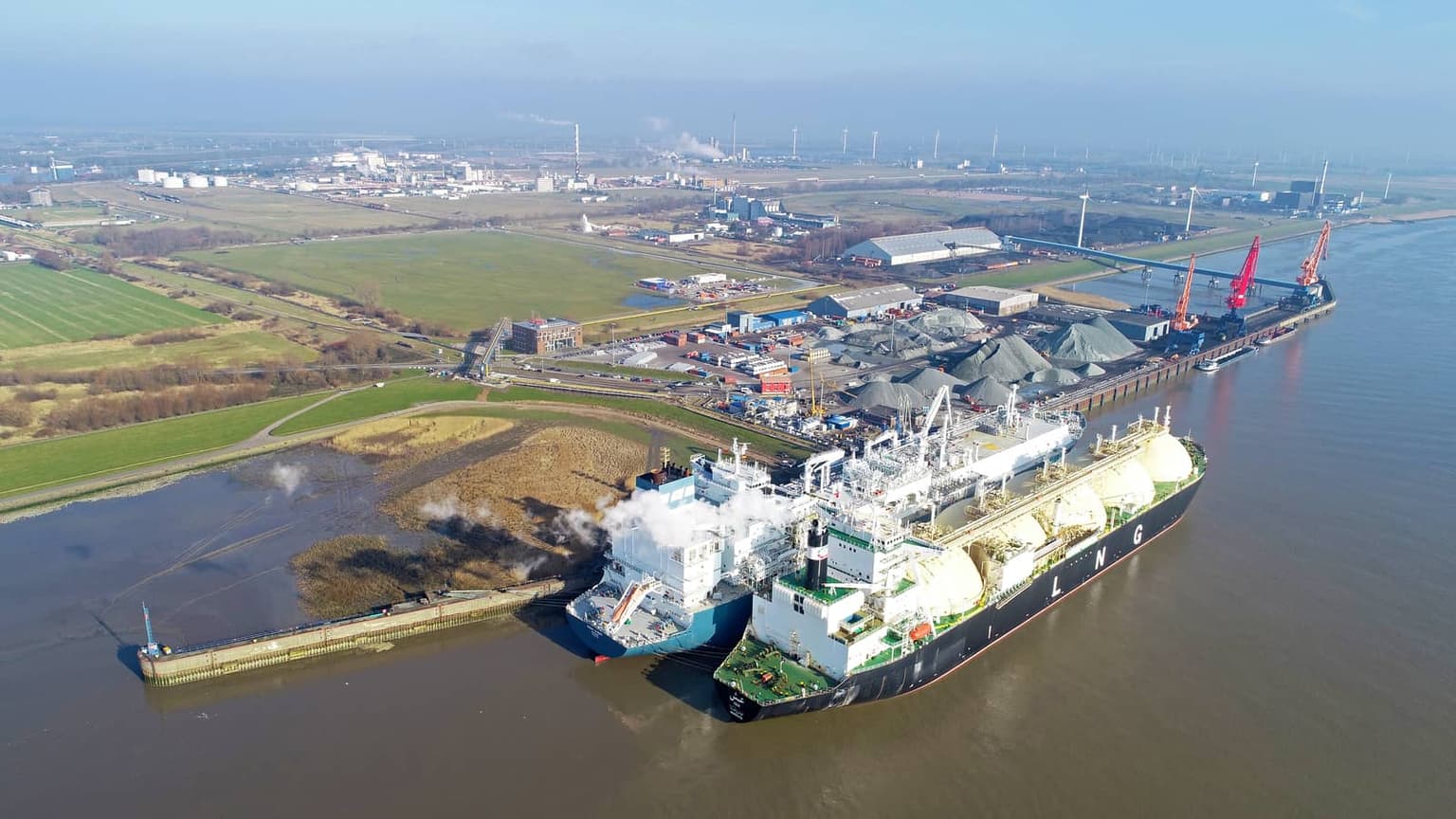
European natural gas supplies increased by 6.5% (19 billion m³) year on year in January–September 2025, primarily due to record growth in liquefied natural gas imports, which offset the decline in pipeline deliveries.
Europe imported a total of 127 billion m³ of LNG, an increase of 28% and a record high. LNG’s share of total supplies rose from 35% to 42%.
The United States is the main driver of growth, having increased LNG exports to Europe by 60% and accounted for almost the entire increase in imports. With a share of nearly 60%, the US has become the dominant supplier to the European market. Russia, by contrast, cut deliveries by 10% but remains the second-largest supplier: more than 85% of Russian LNG goes to Belgium, France and Spain.
Higher demand, lower pipeline gas imports and storage replenishment have kept European LNG prices above Asian levels, attracting more flexible supplies. The IEA expects LNG imports to rise by more than 20% this year, but fall by around 5% in 2026, mainly due to lower demand and higher supplies from Norway.
Global market expands, led by Asia
Global gas demand is expected to rise by less than 1% to 4 288 billion m³ in 2025, following growth of 2.8% in 2024. By 2030, it is set to increase by 9–10%, with Asia accounting for around half of that growth, according to the IEA.
LNG liquefaction capacity will expand by 300 billion m³ a year by the end of the decade, with Qatar and the United States accounting for around 70% of the new capacity, further strengthening their roles as key global exporters of the commodity.
Translation disclaimer
This article is a machine translation of the Czech original and has not yet been fully reviewed. In case of any doubt, please refer to the Czech version.