Another European country considers small modular reactors. Norway wants them to cover up to 12.5 TWh of electricity

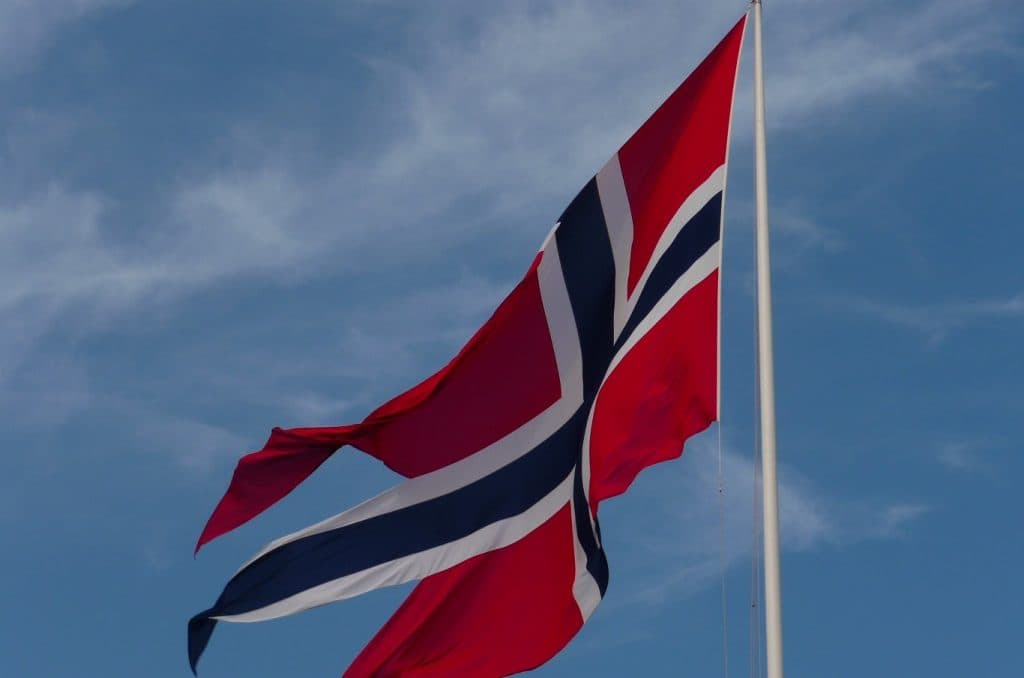
Norsk Kjernekraft has submitted a proposal to the Norwegian Ministry of Energy (Ministry of Petroleum and Energy) asking it to assess the possibility of building a nuclear power plant based on several small modular reactors (SMRs) in the municipalities of Aure and Heim. The company said this is the first formal step towards the potential construction of a nuclear power plant in Norway.
Under the preliminary plan, the plant would be located in a shared industrial area on the border between the municipalities of Aure and Heim. Norsk Kjernekraft noted that other sites in the area may also be suitable. The plant would consist of several SMRs which, if the project is completed in full, would generate a total of approximately 12.5 TWh of electricity per year. This would increase electricity generation in Norway by approximately 8%.
Partnership with Finland’s TVO
This year, Norsk Kjernekraft signed agreements with several municipalities, including Aure and Heim, to explore potential uses for nuclear energy. In June, the company signed a joint statement of intent with TVO Nuclear Services, a consultancy wholly owned by Finnish nuclear power plant operator Teollisuuden Voima Oyj, to explore opportunities for deploying SMRs in Norway. The cooperation includes assessing the suitability and effectiveness of developing nuclear energy in the Norwegian municipalities of Aure, Heim, Narvik and Vardø.
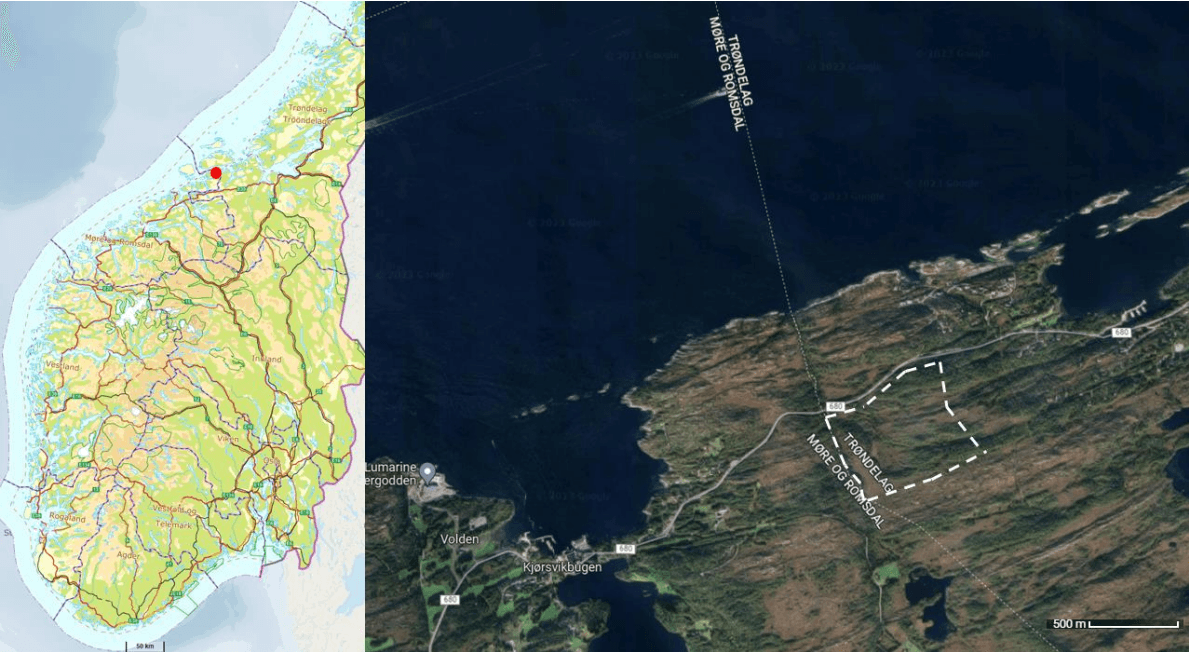
Aure and Heim have now identified a suitable area together with Norsk Kjernekraft, where the plant is planned to be located “with the aim of reducing greenhouse gas emissions in the municipality while enabling the development of further green industry”.
Approval process and public involvement
Once the proposal to build the plant has been approved by the Ministry of Energy, an environmental impact assessment (EIA) can begin. Norsk Kjernekraft plans to involve the public in a transparent process, with active participation from local residents.
If the impact assessment shows that the facility can be built within acceptable limits, permitting procedures in accordance with Norwegian laws and regulations will follow. Only then can construction of Norway’s first nuclear power plant begin. The company noted that several important milestones must be reached before major investments are made and a final decision is taken.
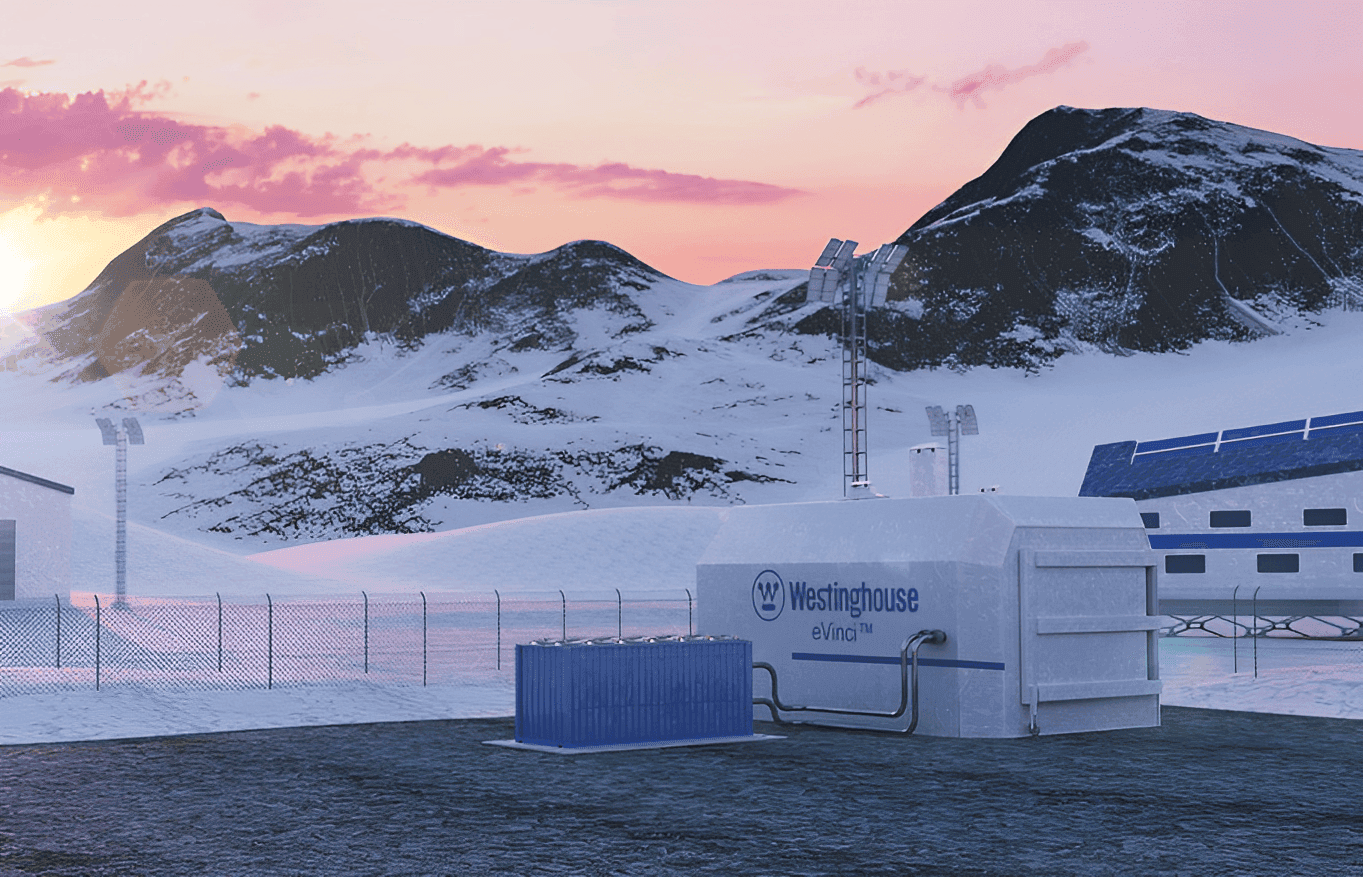
“Aure and Heim are in the running. With political will and public acceptance, we could have nuclear power within 10 years, depending on how quickly the authorities process the application,” said Jonny Hesthammer, CEO of Norsk Kjernekraft. “Half of Norway’s total energy consumption still comes from fossil fuels. The planned plant in Aure and Heim would therefore contribute to electrification and emissions reductions. With good maintenance, a plant can operate for up to a hundred years and provide cheap electricity to residents for decades after it has been paid for.”
Plans and international cooperation
Norsk Kjernekraft aims to build, own and operate (the BOO financing model) Norwegian SMR power plants in cooperation with energy-intensive industry. The company said it would prepare a licence application in accordance with national regulations and international standards. The next step will be to invite the International Atomic Energy Agency (IAEA) to oversee the project’s early-stage milestones. Financing will be arranged in cooperation with well-capitalised industry.
In July, Norsk Kjernekraft and Danish company Seaborg signed an agreement to explore the possibility of deploying a compact molten salt reactor in Norway. However, the Norwegian company said it intends to build an SMR based on conventional technology first.
Translation disclaimer
This article is a machine translation of the Czech original and has not yet been fully reviewed. In case of any doubt, please refer to the Czech version.




