12 October 2026, 10:27
Loading...
Bill Gates' TerraPower heads to the UK with Natrium small nuclear reactor

Jiří Puchnar
26 February 2026, 17:43
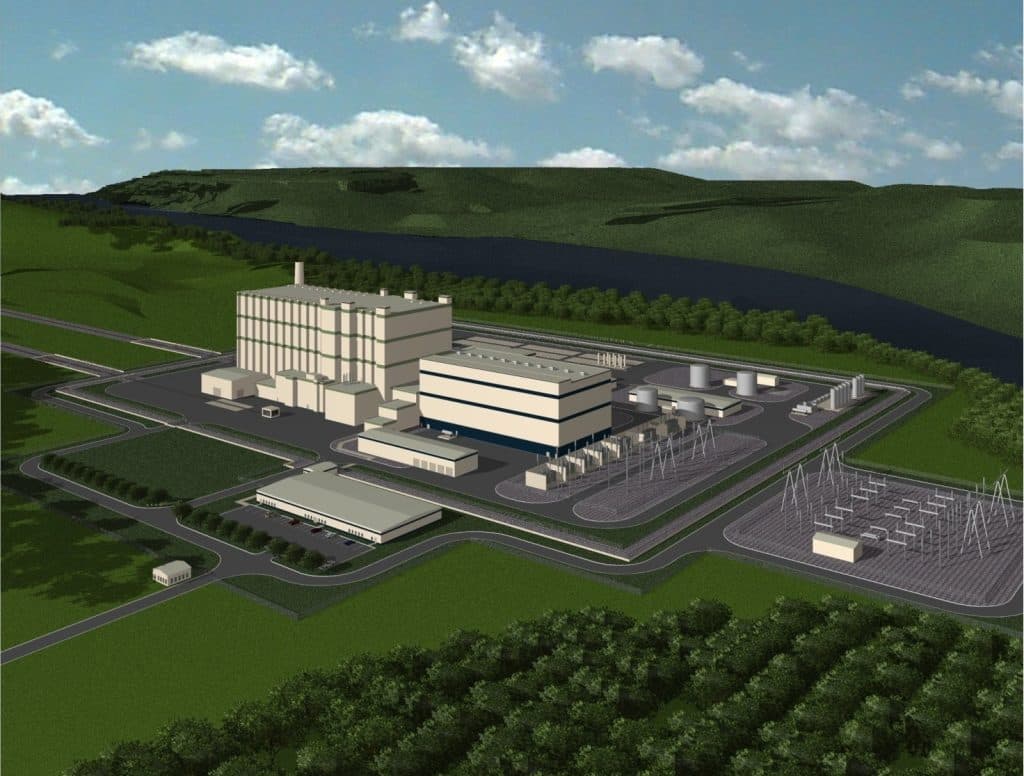
TerraPower, founded by and chaired by Bill Gates, announced that its Natrium project—a 345 MWe sodium-cooled fast reactor paired with molten salt energy storage—has been accepted into the UK’s Generic Design Assessment (GDA) process. TerraPower applied to begin the GDA in October. This is the first official step towards assessing Natrium technology outside the United States.
TerraPower’s statement and the position of UK authorities
TerraPower President and CEO Chris Levesque said the company welcomed the acceptance of its application and would bring a focus on technical precision and experience working with nuclear regulators to the assessment process. He also expressed anticipation of working with the UK Department for Energy Security and Net Zero (DESNZ), the Office for Nuclear Regulation (ONR) and the Environment Agency in the coming months to advance efforts to deploy a Natrium reactor in the UK.
ONR said that, following a review of the application by DESNZ, ONR, the Environment Agency and Natural Resources Wales had been invited to begin the GDA process because the reactor design was considered sufficiently ready to enter the assessment. According to ONR, the assessment itself will begin once the necessary arrangements have been agreed, particularly the timetable and resources.
What the Generic Design Assessment involves
The Generic Design Assessment (GDA) is the UK process for assessing nuclear power plant designs in terms of nuclear safety, security and environmental impact. A key principle is that the assessment is carried out at the design level and is separate from subsequent applications for construction permits at specific sites.
The aim is to identify any safety, security and environmental issues early so they can be addressed before an investor makes binding decisions about construction. GDA conclusions are also designed to be generic—that is, they can serve as a basis for assessing the same project at multiple sites if that type of power plant is built repeatedly.
Other SMRs in the UK GDA
Other small modular reactor (SMR) designs are already undergoing the GDA process in the UK:
- Rolls-Royce SMR entered the GDA in 2022 and is currently at Step 3, which the UK framework identifies as the final stage of the process.
- Holtec SMR-300 entered the GDA in December 2023 and is now at Step 2.
- GE Vernova Hitachi BWRX-300 entered the process in January 2024 and completed Step 2 in December 2025.
Natrium: a sodium-cooled fast reactor with molten salt storage
Natrium technology combines a liquid sodium-cooled fast reactor with a molten salt-based energy storage system. TerraPower says the storage system allows the plant to temporarily increase its electrical output to as much as 500 MWe, enabling it to follow daily demand patterns while also facilitating the integration of variable renewable energy sources into the power grid.
Natrium technology is a joint offering from TerraPower and GE Vernova Hitachi Nuclear Energy.
First US project: Kemmerer, Wyoming, and the DOE programme
In June 2024, TerraPower began the so-called non-nuclear construction phase of its first Natrium project at the Kemmerer site in Wyoming. The company expects the project to be completed in 2030.
The project is being developed under the US Department of Energy’s (US DOE) Advanced Reactor Demonstration Program, and TerraPower describes it as the first commercial-scale advanced nuclear project in the United States.
Interest from major buyers: Meta mentions up to eight Natrium units
Last month, Meta announced that its future plans for nuclear energy include funding support for the development of up to eight Natrium sodium-cooled fast reactors in the US. Specifically, it said it intends to support two new units with a combined installed capacity of up to 690 MW, planned to come online from 2032, as well as contracted electricity offtake from up to six additional units with a total installed capacity of 2.1 GW, planned to come online by 2035.”
Translation disclaimer
This article is a machine translation of the Czech original and has not yet been fully reviewed. In case of any doubt, please refer to the Czech version.
Sdílejte článek prostřednictvím:
You might also like

12 October 2026, 07:40

11 October 2026, 20:09

11 October 2026, 08:24