EDF meets this year's French nuclear power generation target. Output is set to grow in coming years

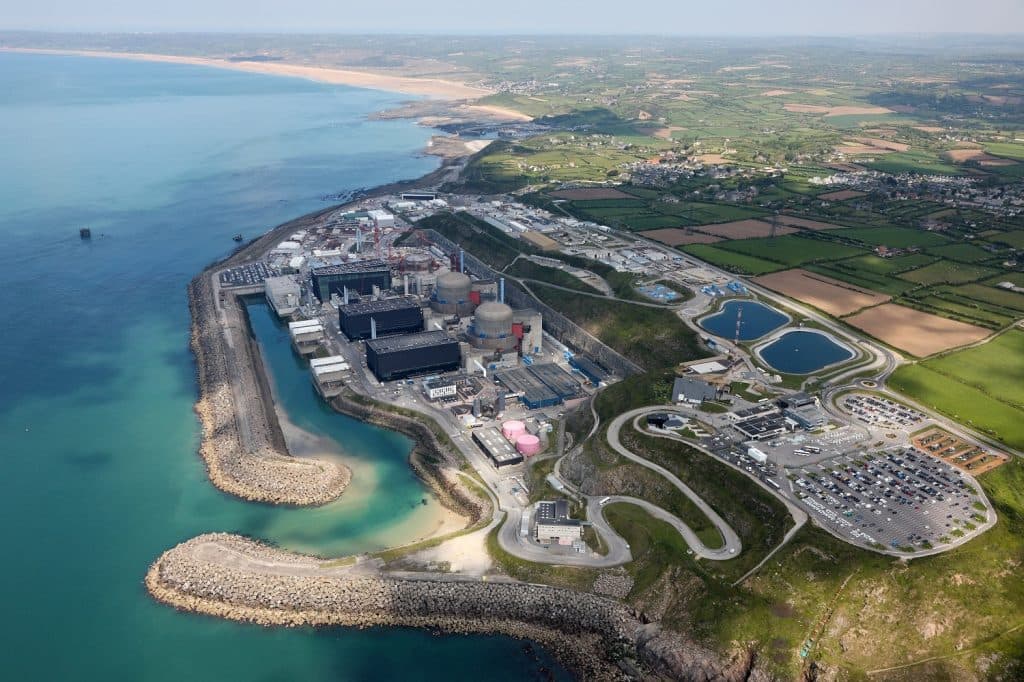
French nuclear power plants have met this year's annual electricity generation target ahead of schedule. Higher reactor availability was the main factor behind the achievement. Generation is expected to continue growing in the coming years, thanks to the planned start-up of the new Flamanville 3 reactor. The information was reported by international news service Argus.
Electricity generation at French nuclear power plants stood at 310.5 TWh as of 25 December, already exceeding the lower end of the planned generation range for this year, which was set at 300 to 330 TWh. If EDF, the operator of the country's nuclear power plants, maintains output at a similar level to that of the week of 18 to 24 December through the end of the year, generation for the full year could finish slightly above 316 TWh.
By comparison, electricity generation as of 25 December last year was only 272.2 TWh. The significantly lower figure compared with this year was the result of unplanned outages to inspect welds in some systems following stress corrosion.
According to EDF, the extension of outages was significantly limited this year, mainly thanks to the introduction of the START 2025 programme, aimed at improving the efficiency of maintenance across its nuclear fleet.
Output to rise to as much as 365 TWh after 2024
Over the next three years, EDF expects electricity generation from its operating nuclear power plants to continue growing. Generation is expected to reach 315 to 345 TWh in 2024, and as much as 335 to 365 TWh in 2025 and 2026.
"EDF plans to load fuel into its 1.65GW EPR reactor Flamanville 3 by the end of March, bring it into operation around mid-2024 and supply 14 TWh of electricity from its first connection to the grid until its first scheduled outage," Argus added.
EDF cautioned, however, that in 2024 some reactor outages could be extended by an average of 30 days because of findings from inspections and repairs carried out this year on reactors affected by stress corrosion.
Translation disclaimer
This article is a machine translation of the Czech original and has not yet been fully reviewed. In case of any doubt, please refer to the Czech version.




