14 October 2026, 09:58
Loading...
Germany ends anti-nuclear policy in pragmatic shift

Libor Láník
21 May 2025, 15:53
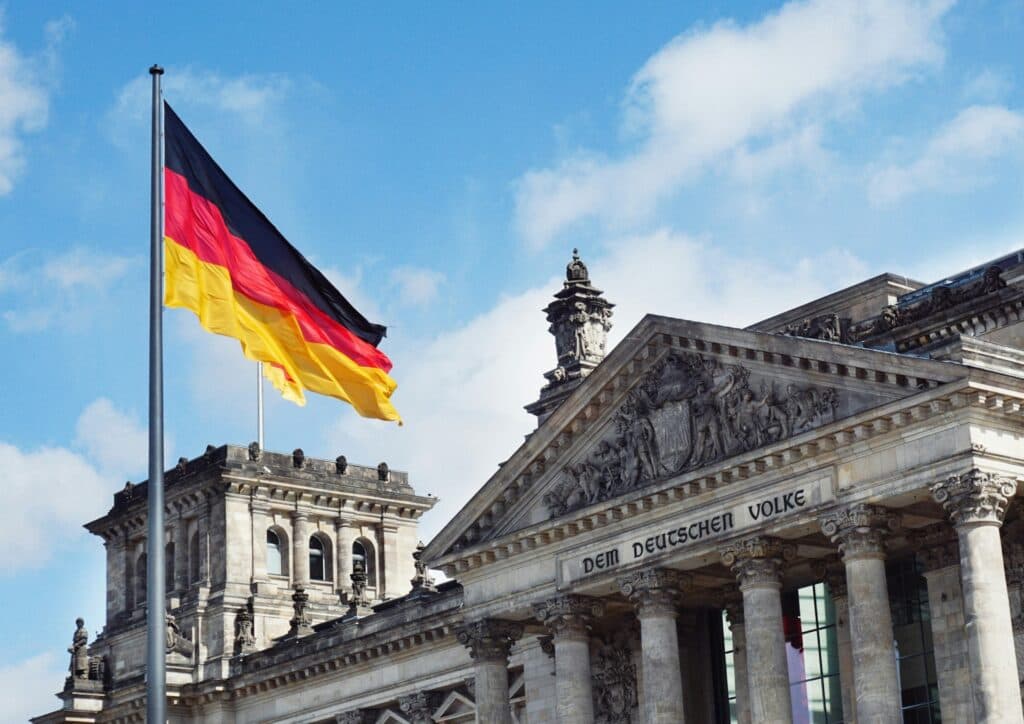
Germany is fundamentally rethinking its stance on nuclear energy. The new government of Chancellor Friedrich Merz is moving away from the country’s previous anti-nuclear policy and signalling a willingness to work with France, a traditional supporter of nuclear energy, on a common European energy policy.
According to German and French officials, Berlin will no longer block Paris’s efforts to give nuclear energy equal status alongside renewables in EU legislation.
"The Germans are telling us that they will be very pragmatic on the nuclear issue," one senior French diplomat told the Financial Times. Berlin, the diplomat said, will drop the reservations that have long complicated the status of nuclear energy in European texts.
The shift comes as Merz looks for ways to strengthen Germany’s security, including through possible participation in France’s nuclear deterrent amid growing threats from Russia. "We are now finally genuinely open to talks with France on nuclear deterrence for Europe. Better late than never," the German side says.
The change in stance also removes one of the main obstacles to EU decision-making on energy. The alliance between Berlin and Paris has repeatedly been seen as a driving force behind European integration.
"When France and Germany agree, it is much easier for Europe to move forward," said economist Lars-Hendrik Röller, who once served as chief economic adviser to former Chancellor Angela Merkel.
Merz criticised the decisions by the former chancellor and her successor, Olaf Scholz, to shut down nuclear power plants during the energy crisis. He does not plan to restart them, but has promised investment in new technologies, such as small modular reactors and nuclear fusion.
Germany’s change in stance comes as support for nuclear energy is growing in the EU. Austria remains the only major opponent. Meanwhile, twelve member states called on the Commission in a joint letter to recognize the "complementary nature" of nuclear and renewable energy, including by supporting hydrogen produced using nuclear energy. So-called pink hydrogen should now be considered equal to green hydrogen produced from wind or solar power—another sign of Europe’s growing convergence on energy.
Translation disclaimer
This article is a machine translation of the Czech original and has not yet been fully reviewed. In case of any doubt, please refer to the Czech version.
Sdílejte článek prostřednictvím:
You might also like

13 October 2026, 20:19
13 October 2026, 16:07
13 October 2026, 15:54