IAEA continues to seek access to the roof of a reactor in Zaporizhzhia

The International Atomic Energy Agency (IAEA) is continuing its efforts to gain access to the roofs of the reactors at the Zaporizhzhia nuclear power plant. However, IAEA experts were told that their planned access would not be permitted for security reasons.
According to the latest update on the situation from IAEA Director General Rafael Mariano Grossi, no alternative date has yet been set to replace the originally planned date of 19 December. IAEA teams had previously been granted access to the roofs of reactors 2, 3 and 4, but not to the other three units.
Inspection of the plant by the IAEA team
Director General Grossi said that the agency's team had also been denied a request to visit the northwestern part of the turbine hall of unit 5. Access to this area has not been permitted in any of the six turbine halls since mid-October. The submission of the 2024 maintenance plan is also still awaited. The Zaporizhzhia plant has been under Russian military control since early March 2022.

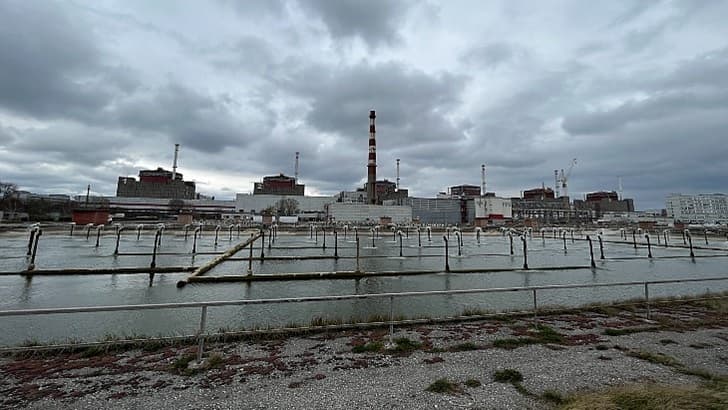
Last week, the team visited the reactor hall and electrical safety systems rooms of unit 3, the control room of unit 5, the 750 kV switchyard, water treatment facilities, cooling ponds and towers, and intake and discharge channels. Team members reported explosions outside the plant site, which is located on the frontline between Russian and Ukrainian forces.
Plant operations and safety measures
One of the six reactors at the nuclear power plant (unit 4) is in hot shutdown to produce steam and heat for some of the plant's process systems and the nearby city of Enerhodar, where most of the employees live. The IAEA has previously urged the plant operator to ensure alternative ways of supplying heat and steam, which would allow all six reactors to be cooled down to cold shutdown.
In Thursday's update, Grossi said that, in addition to nine mobile boilers, four new mobile diesel boilers for additional steam generation had been installed. They are already on site and being used for heating.
The plant currently relies on one operational 750 kV power line and one backup 330 kV line. During the conflict, the plant has been left relying solely on emergency diesel generators eight times after losing all external power sources.
The IAEA said that, with Australia's contribution, it had completed its 33rd delivery of equipment to support nuclear safety. Teams at other Ukrainian nuclear power plants—Rivne, Khmelnytskyi and South Ukraine—and at the site of the former Chornobyl nuclear power plant reported that “nuclear safety and security at the facilities are being maintained despite challenging circumstances.”
Translation disclaimer
This article is a machine translation of the Czech original and has not yet been fully reviewed. In case of any doubt, please refer to the Czech version.




