
23 October 2026, 14:38
Loading...
Japan opens its first interim spent nuclear fuel storage facility

Jiří Salavec
19 November 2024, 06:34
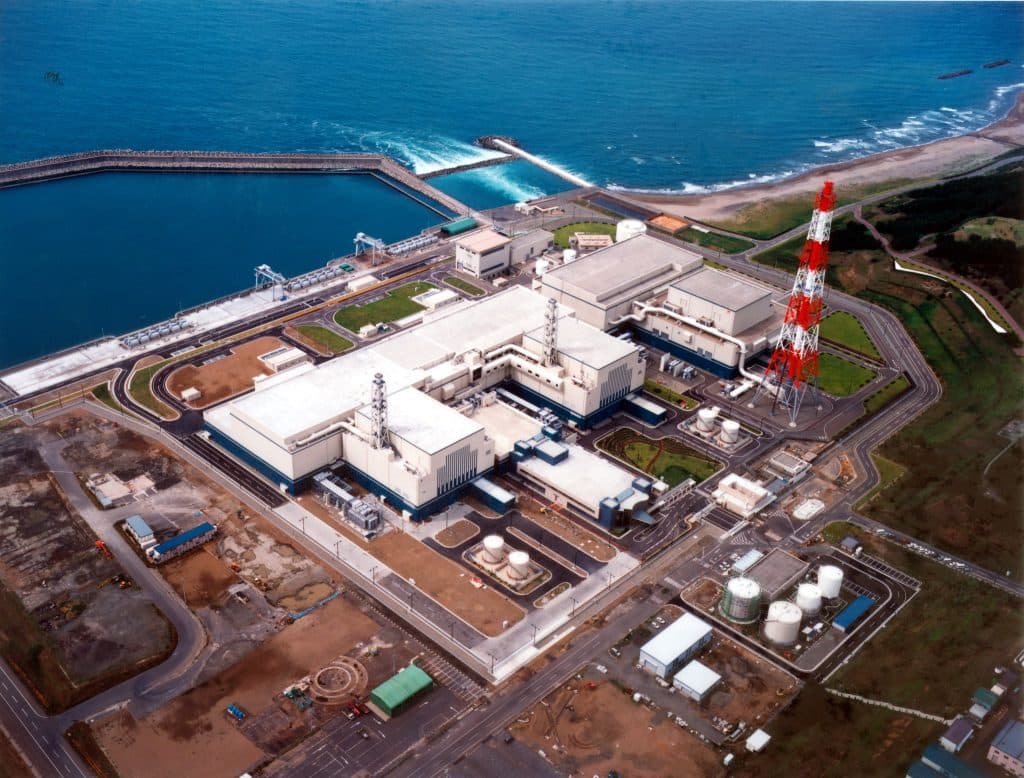
Japan’s first spent nuclear fuel storage facility has officially begun operations and received its first 12 tonnes of fuel. The facility will store spent fuel from TEPCO and Japan Atomic Power for up to 50 years. It can hold up to 5,000 tonnes of spent fuel, partially freeing up storage space at nuclear power plants. Once the country’s nuclear fuel reprocessing facility is operational, recyclable fuel from the interim storage site is expected to be sent there.
Japan’s nuclear regulator has issued an operating licence for the country’s first spent nuclear fuel storage facility. The facility, located in Mutsu in Aomori Prefecture, is operated by Recyclable Fuel Storage (RFS), a joint venture between Tokyo Electric Power Company (TEPCO) and Japan Atomic Power. The companies plan to store spent fuel from their PWR and BWR reactors there.
“We will continue to make safety our top priority, increase the transparency of our business and further strengthen cooperation with the local community. We will continue to strive to meet our customers’ needs,” TEPCO said in a press release.
TEPCO delivered the first cask, containing 12 tonnes of uranium in 69 fuel assemblies, to the facility from Unit 4 of its Kashiwazaki-Kariwa nuclear power plant. Another 8 casks containing 96 tonnes of spent fuel are expected to arrive over the next two years. In total, the Mutsu facility can store up to 5,000 tonnes of material for up to 50 years.
Storage facilities at Japanese nuclear power plants have capacity for around 20,000 tonnes of fuel, and are estimated to be about 80% full. The new facility will therefore help free up some space at the sites. Since 1999, Japan has stored all its spent nuclear fuel with a view to reprocessing it domestically.
“We believe that interim spent fuel storage is important and effective in expanding spent fuel storage capacity. It provides flexibility across the entire nuclear fuel cycle and contributes to medium- and long-term energy security,” TEPCO also noted.
The Mutsu storage project dates back to 2005, when RFS was established. Construction was completed in 2013, but the start of operations was delayed by new safety standards and the need to strengthen the facility’s resilience to earthquakes, tsunamis, volcanic eruptions and tornadoes.
What to do with nuclear waste?
Japan aims to reprocess spent nuclear fuel to produce mixed uranium-plutonium oxide fuel (MOX), which can then be reused in nuclear power plants. The facility in nearby Rokkasho, designed to reprocess 800 tonnes of fuel a year, has been under construction since 1993 but is still awaiting official start-up. The latest estimates point to 2026 or 2027 as realistic target dates.
The question of storage and potential reuse is faced by all nuclear power plant operators, or, more broadly, by countries that use or have used nuclear power — Germany, for example. Finland is closest to bringing the world’s first permanent deep geological repository for nuclear fuel into operation. It is set to begin full-scale operations next year. For now, spent nuclear fuel is generally stored at nuclear power plants, either in on-site storage facilities or in interim storage facilities.
A condition for the use of nuclear energy in EU member states is the construction of a deep geological repository by 2050. The Czech Republic must also speed up its repository plans, which originally envisaged the facility beginning operations in 2065.
Translation disclaimer
This article is a machine translation of the Czech original and has not yet been fully reviewed. In case of any doubt, please refer to the Czech version.
Sdílejte článek prostřednictvím:
You might also like


23 October 2026, 11:01


23 October 2026, 06:34