7 November 2026, 17:23
Loading...
Japan restarts its oldest operable nuclear reactor after 12 years

Jiří Salavec
30 July 2023, 18:47
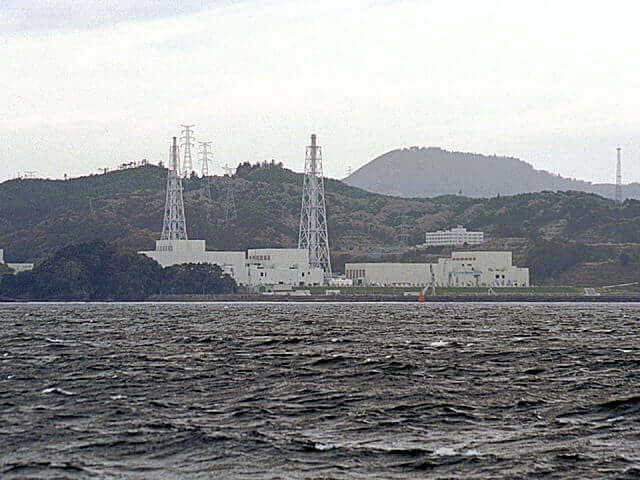
Japan has restarted the Takahama 1 pressurized water reactor after 12 years. It is the oldest operable reactor in the country, having started operations almost 50 years ago. It is the eleventh unit to be brought back online since the accident at the Fukushima nuclear power plant.
Japanese company Kansai Electric Power Co. restarted Unit 1 at the Takahama nuclear power plant, which has an installed capacity of 780 MW. The unit was shut down in January 2011 for routine maintenance. However, following the accident at the Fukushima plant two months later, it did not return to service.
"Workers began withdrawing the control rods from Reactor No. 1 at around 3 p.m. on Friday (July 28). We expect the reactor to reach criticality, or a self-sustaining nuclear chain reaction, at around 6 a.m. on Saturday. It will begin generating and supplying electricity on Wednesday," Kansai Electric said.
Since the Fukushima accident, Japan's regulator has inspected 17 shut-down reactors, and 11 of them are back in operation. Another 14 units are at various stages of review. Takahama 1 is only the second unit over 40 years old to be restarted.
The Takahama plant has four reactors in total. The company restarted Units 3 and 4, each with a capacity of 1,180 MW, in 2016 and 2017, while Unit 2 is due to restart in mid-September this year.
First 60-year reactor
Takahama 1 began commercial operation in 1974 and is the oldest unit in the country not slated for permanent shutdown. In 2016, Japan's nuclear regulator approved extending the unit's operating life to 60 years. Takahama 1 will therefore be the first Japanese reactor to reach this milestone.
In December last year, the Japanese government adopted a plan to extend the operation of existing nuclear reactors. It wants to replace aging facilities with new advanced ones. The government's main motivation is its goal of achieving carbon neutrality by 2050.
Translation disclaimer
This article is a machine translation of the Czech original and has not yet been fully reviewed. In case of any doubt, please refer to the Czech version.
Sdílejte článek prostřednictvím:
You might also like

7 November 2026, 13:37

6 November 2026, 14:13