
23 October 2026, 14:38
Loading...
Japan sees a future in nuclear power

Jiří Puchnar
19 December 2024, 07:09
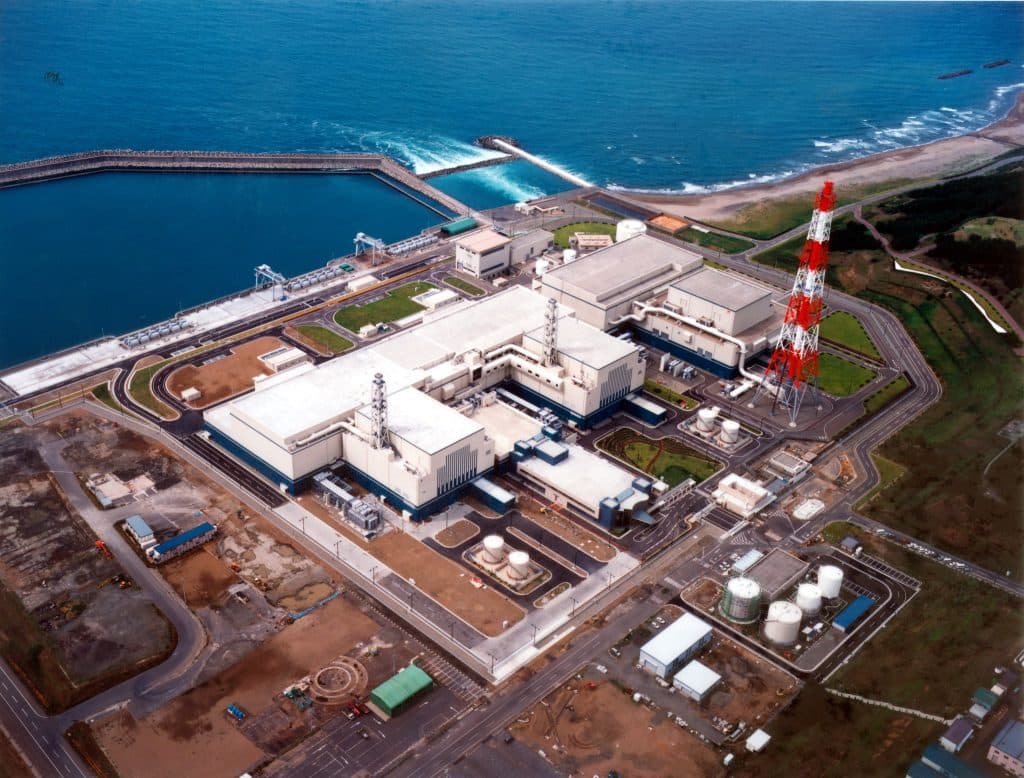
Japan’s Ministry of Economy, Trade and Industry has published a draft revision of the country’s Basic Energy Plan. The draft drops the original pledge to reduce dependence on nuclear power.
The revised policy calls for the maximum use of renewable and nuclear energy in order to achieve the complete decarbonization of the energy sector. Under the plan, renewables should account for roughly 40–50% of Japan’s energy mix by 2040, approximately double their current share. Nuclear power plants are expected to supply around 20% of electricity generation by the same year.
Historical context and the impact of the Fukushima accident
Before the accident at the Fukushima Daiichi nuclear power plant in March 2011, Japan’s 54 reactors supplied approximately 30% of the country’s total electricity generation. In the 14 months after the accident, however, all nuclear power plants were shut down to allow for the necessary regulatory changes.

Status of individual nuclear units in Japan at the end of 2023. Source: EIA
Since then, 14 reactors have gradually been restarted, and they now account for less than 10% of the country’s total electricity generation. Since 2014, Japanese policy has focused on minimizing dependence on nuclear power.
A new approach to nuclear power and support for modernization
The current draft, however, reverses this policy and includes a plan to support the replacement of shut-down reactors with new ones. The document notes that nuclear power has exceptionally high energy output relative to the amount of fuel required.
“Nuclear power is a highly self-sufficient source with minimal price fluctuations, technological autonomy and costs comparable to those of other sources. It is also a carbon-free source that can provide a stable supply of electricity regardless of weather conditions,” the draft says.
According to the draft, Japan will seek to develop and deploy next-generation innovative reactors with improved safety mechanisms. These steps are intended to enhance the safety of nuclear power. The plan also emphasizes the need to ensure a balanced energy mix, including the possibility of replacing retiring reactors with new types of nuclear power sources.
Government backs new reactor construction and longer operating lives
In February 2023, the Japanese government approved a strategy allowing new nuclear reactors to be built and the operating lives of existing units to be extended from 40 to 60 years. In line with this policy, which describes nuclear power as a source that strengthens energy security and has a significant decarbonization impact, Japan will focus on making maximum use of its existing reactors.
Where possible, the plan envisages restarting shut-down nuclear reactors and extending the operating lives of older units beyond the current 60-year limit. The Japanese government also intends to develop advanced reactors to replace those that are gradually retired.
Translation disclaimer
This article is a machine translation of the Czech original and has not yet been fully reviewed. In case of any doubt, please refer to the Czech version.
Sdílejte článek prostřednictvím:
You might also like


23 October 2026, 11:01


23 October 2026, 06:34