
23 October 2026, 14:38
Loading...
Japan to restart first BWR nuclear reactor in 13 years at Shimane 2

Jiří Salavec
21 October 2024, 06:16
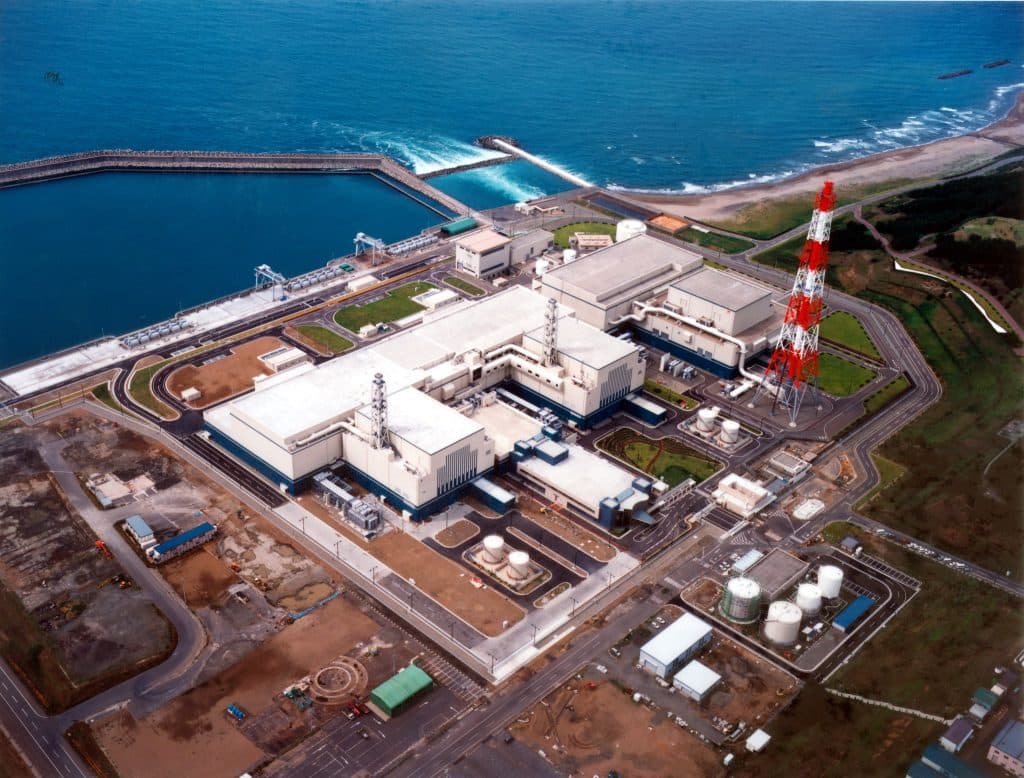
Japan is continuing to restart nuclear units shut down after the 2011 Fukushima nuclear accident. As early as this December, it plans to resume operation of its first BWR nuclear unit, with a capacity of 820 MW, at the Shimane power plant. A range of safety measures, including protection against a potential tsunami, had to be introduced before electricity generation could resume. Japan has so far restarted 12 nuclear units, all of which have been equipped with PWR reactors.
Japan’s Chugoku Electric Power Company announced that it plans to restart its second unit at the Shimane power plant this December. Shimane 2, a boiling water reactor (BWR), is the first of its kind to restart in Japan since the Fukushima nuclear accident. It was shut down in January 2012 and is set to return to commercial operation after 13 years, during which its operator has worked to improve safety.
The operator is now planning to load nuclear fuel at the end of October. After restarting, the unit is expected to return to commercial operation in January next year.
“We will continue to take all possible measures to ensure that pre-operational inspections proceed smoothly, with the utmost emphasis on safety. We will also respond appropriately to the nuclear regulator’s pre-operational confirmation and prepare every step for the restart,” Chugoku Electric Power Company said.
To improve safety, Chugoku Electric Power Company built a 15-metre-high seawall to protect the plant from tsunamis. It has also prepared the site for a potential eruption of Mount Sanbe and strengthened the plant’s seismic resistance.
The Shimane power plant has three BWR units. The first, which dates from 1974, is being decommissioned and has not generated electricity since the Fukushima accident. The second unit began operating in 1989, while the third, equipped with an advanced boiling water reactor (ABWR), was due to follow in 2012. Work on the third unit stopped in 2011, however, and Japan did not decide to complete it until August 2018. The third unit, with a capacity of 1370 MW, is now also nearing startup.
Restarting Japanese reactors
Japanese nuclear power plants stopped generating electricity in response to the Fukushima accident, which was caused by a tsunami. Since 2013, nuclear power plant operators have been required to comply with strict nuclear regulator rules on protection against natural hazards and to have measures in place in case the reactor core is damaged.
So far, operation has been restored at 12 Japanese nuclear units, all of which have been equipped with pressurised water reactors (PWRs). Restarting nuclear units is important for Japan as it seeks to reduce the carbon footprint of its energy mix. The country replaced their output with gas- and coal-fired power plants, and the dirtiest of these it now plans to shut down.
Translation disclaimer
This article is a machine translation of the Czech original and has not yet been fully reviewed. In case of any doubt, please refer to the Czech version.
Sdílejte článek prostřednictvím:
You might also like


23 October 2026, 11:01


23 October 2026, 06:34